Practical Life Station for 2-Year-Olds in Indian Homes
As parents in India, we often dream of raising children who are not just bright, but also independent and capable. Imagine your little one, barely two, confidently helping with small tasks around the house, developing focus, and feeling a deep sense of accomplishment. This isn't a distant dream; it's the beautiful reality fostered by Montessori practical life activities. If you're looking to nurture these qualities in your child, learning how to set up a practical life station for 2-year-olds in Indian homes is a fantastic starting point.
It might sound elaborate, but creating a dedicated space for these activities is simpler than you think, even within the bustling environment of an Indian joint family or a cosy apartment in Bengaluru. Let's explore how you can empower your toddler to discover the joy of doing things for themselves.
What is a Montessori Practical Life Station?
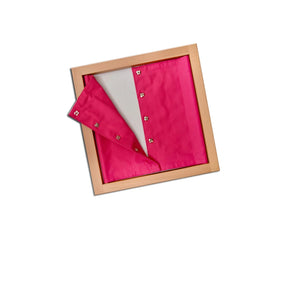
A Montessori practical life station is a specially prepared environment where children can engage in activities that mimic everyday tasks, using child-sized, real tools. This works because it taps into a child's innate desire to participate in the world around them, building concentration, coordination, independence, and a sense of order. Parents can set up a small, accessible area with various tasks like pouring water, sweeping, buttoning, or folding clothes, inviting their child to explore and master these skills at their own pace.
These activities are not just about chores; they are foundational to a child's holistic development, paving the way for more complex learning. Maria Montessori observed that children thrive when given purposeful work, and practical life provides just that.
Why Practical Life Matters for Your Little One
For a two-year-old, the world is a giant classroom, and every interaction is a lesson. Practical life activities, often overlooked in the rush of modern life, are profoundly impactful. They are critical for fostering fine motor skills, which are essential for future writing and self-care. Moreover, the focused attention required for tasks like transferring grains or polishing a small object significantly develops their concentration span.
Beyond the physical benefits, practical life instills a deep sense of self-efficacy and independence. When a child successfully pours water without spilling, they gain confidence and understand their own capabilities. This contributes positively to their overall child development in India, preparing them for school and life within a community. It’s a gentle, respectful way to teach responsibility and self-reliance from a young age.
Creating Your Practical Life Station: The Indian Way
Indian homes, with their vibrant energy and often compact spaces, present unique opportunities and challenges for setting up a Montessori environment. The key is adaptability and leveraging what you already have.
Choosing the Right Spot
You don't need a separate room. A quiet corner in the living room, a section of the kitchen, or even a protected spot on a balcony can become your child's practical life station. Look for a place with good natural light and minimal distractions. Accessibility is crucial – ensure shelves are low and items are within easy reach for your 2-year-old. Rotate activities regularly to keep the space fresh and engaging.
Essential Materials for Toddlers
The beauty of Montessori practical life is that many materials can be found right in your home. Think beyond traditional educational toys for toddlers and look at everyday items. For pouring, use small steel glasses and a jug, or even a traditional Indian brass lota. For scooping, a small bowl of rice or lentils with a spoon works wonders. Consider a child-sized broom and dustpan for sweeping, or a spray bottle with water and a cloth for wiping surfaces.
While everyday items are great, purpose-built practical life Montessori materials offer specific developmental benefits and durability. Items like dressing frames, lacing activities, or sorting trays provide focused challenges that perfectly match a toddler's developmental stage. Remember, the goal is real tools, real tasks, sized appropriately for little hands.
Integrating Everyday Routines
In Indian homes, where joint families are common, children often observe elders performing daily chores. This is a golden opportunity! Involve your child in simple, safe aspects of your routine. Let them help sort clothes for laundry, water plants in the garden, or help set the dinner table with unbreakable items. During festivals, involve them in simple preparations like sorting ingredients or helping decorate, fostering a connection to cultural practices.
These simple toddlers Montessori materials and activities are not just about keeping them busy; they are about fostering a sense of contribution and belonging. They learn that they are capable members of the family, and their efforts are valued.
Setting Up the Activities: Step-by-Step
Once you have your spot and materials, setting up the Montessori learning activities is straightforward. Present each activity simply and slowly, without talking too much. Show your child how to use the materials, demonstrating each step precisely. For instance, when showing how to pour, start with an empty jug, then fill it, then pour into another vessel, and finally clean up any spills. Let them observe first, then invite them to try.
The crucial part is to allow your child to repeat the activity as many times as they wish. Repetition is how children master skills and build concentration. Resist the urge to interrupt or correct every small mistake; allow them to learn through their own experience and discovery. Your role is to prepare the environment, present the activity, and then step back to observe and offer support only when needed.
Nurturing Independence and Joy
The beauty of the Montessori approach is its emphasis on freedom within limits. Your practical life station should be a place where your child feels empowered to explore and learn without constant adult direction. Encourage them, celebrate their efforts, and acknowledge their progress, no matter how small. Grandparents, with their wealth of experience and patience, can be wonderful guides, sharing traditional skills in a Montessori-aligned way.
By offering these purposeful activities, you're not just teaching skills; you're nurturing a joyful, confident, and independent spirit. You're laying the groundwork for a lifelong love of learning and a strong sense of self. Explore a wide range of materials that support this journey on our main Montessori method learning materials collection.
Key Takeaways
- A practical life station fosters independence, concentration, and fine motor skills in 2-year-olds.
- It integrates everyday tasks using child-sized, real tools, aligning with Maria Montessori's philosophy.
- Indian homes can adapt by using existing spaces and common household items for activities like pouring, scooping, and cleaning.
- Present activities clearly, allow repetition, and empower children to learn through self-discovery.
- Involving children in family routines and cultural practices enhances their sense of contribution and belonging.
- The parent's role is to prepare the environment, demonstrate, and observe, fostering freedom within limits.
FAQ: Practical Life Stations for Toddlers
What's the best age to start a practical life station?
Children can begin engaging with practical life activities as early as 18 months, often showing a strong interest around two years old. It's best to start when your child shows curiosity in imitating adult actions or helping with simple tasks.
Do I need special Montessori furniture for a practical life station?
Not necessarily. While Montessori furniture is designed for children, you can adapt what you have. Low shelves, a small table, or even a dedicated mat on the floor can work perfectly. The key is accessibility and order.
How do I keep my child interested in these activities?
Rotate activities regularly, introduce new challenges as skills develop, and ensure the materials are always clean and complete. Observe your child's interests and adapt the station to match their current developmental stage and curiosity.
Can practical life activities be done in small Indian apartments?
Absolutely! Practical life activities are perfect for small spaces. They can be set up on a tray that is easily stored, or in a small designated corner. The focus is on the activity itself, not on having a large dedicated room.
What if my child makes a mess during practical life activities?
Mess is part of the learning process! Provide child-sized cleaning tools like a sponge or small dustpan right at the station. Teach them how to clean up after themselves, empowering them to take responsibility for their environment and actions.
Setting up a practical life station for your 2-year-old is more than just an activity; it's an investment in their confidence, skills, and overall development. At SkilloToys.com, we believe in empowering Indian parents with the tools and knowledge to create enriching home environments for their little ones.