Practical Life Station for 2-Year-Olds in Indian Homes
Picture this: your two-year-old, eyes wide with determination, insists on 'helping' Dadi peel vegetables or attempting to sweep up the crumbs after breakfast. This isn't just mischief; it's a powerful urge for independence, a deep desire to be a contributing member of the household. In bustling Indian homes, with their unique rhythms and routines, harnessing this natural inclination through a well-designed practical life station for 2-year-olds can be transformative.
Many Indian parents are exploring Montessori at home India, recognising the immense value of fostering self-reliance and focus from an early age. Practical life activities, a cornerstone of the Montessori method, are simple, everyday tasks that children observe and are eager to imitate. Setting up a dedicated space for these activities supports your child's developmental journey beautifully.
Understanding a Montessori Practical Life Station
A Montessori practical life station is a carefully prepared environment where children can engage in purposeful, real-world tasks using child-sized tools. This works because it directly addresses a toddler's innate drive for competence and independence, fostering concentration, fine motor skills, and a sense of responsibility. Parents can easily set up such a station in their homes, allowing their toddlers to participate meaningfully in household activities.
Maria Montessori observed that children learn best by doing. For 2-year-olds, this means activities that mimic what adults do – pouring, sweeping, buttoning. These aren't just chores; they are foundational Montessori learning activities that build cognitive order, refine movements, and enhance self-esteem. They are essential educational toys for toddlers, even if they aren't 'toys' in the traditional sense.
Crafting Your Practical Life Corner in an Indian Home
Creating a dedicated space for practical life doesn't require a large house. Even in small apartments or joint family setups, a practical life station can be seamlessly integrated. Look for an unused corner in the living room, a shelf in the kitchen, or even a designated mat on the floor that can hold a few rotating activities.
Choosing the Right Spot and Materials
Accessibility is key. Your practical life materials should be at your child's eye level, easy to reach, and put back. Utilise existing low shelves or consider a small, sturdy stool. For materials, think local and sustainable. Instead of fancy imports, consider:
- Small steel bowls and cups for pouring.
- A tiny coconut fibre broom (jhadoo) and dustpan.
- Cotton cloths or old sarees cut into smaller squares for wiping.
- Small baskets or trays for organising activities.
These simple items are often readily available in Indian homes and perfectly serve the purpose of practical life Montessori materials. Remember, less is often more. Rotate activities to keep your child engaged.
Engaging Practical Life Activities for 2-Year-Olds
At two years old, children are ready for a surprising array of tasks. Here are some ideas, adapted for the Indian context, that promote crucial child development India:
1. Pouring and Transferring Activities
Start with dry materials like rice, lentils (dal), or even semolina (rava). Provide two small steel bowls and a small jug. Demonstrate slowly how to pour from one to the other. Progress to water pouring with a small pitcher. This refines hand-eye coordination and concentration. SkilloToys offers excellent Montessori materials for toddlers that aid in these foundational skills.
2. Sweeping and Wiping Spills
After mealtime, let your child help sweep up crumbs with their child-sized broom. Spills happen, especially with 2-year-olds! Instead of rushing to clean it yourself, offer a small cloth and show them how to wipe. This teaches responsibility and strengthens fine motor skills.
3. Dressing and Grooming
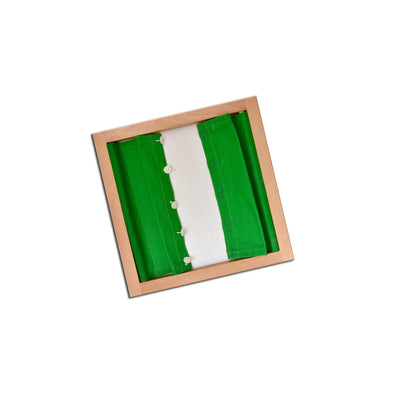
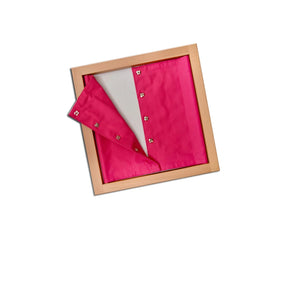
Provide a small mirror, a soft comb, and perhaps a simple buttoning frame or a piece of cloth with large buttons. Encourage them to comb their hair, wash their hands, or try to button their own clothes. These activities build self-care skills and boost confidence.
4. Simple Food Preparation
Involve your toddler in kitchen tasks. They can wash small fruits like grapes or berries in a basin of water. They might enjoy kneading a small portion of atta (flour) with a little water, preparing for chapati. Supervision is key, but the sense of contribution is invaluable, especially in joint families where cooking is a community affair.
The Family Connection: Grandparents and Cultural Context
One of the beautiful aspects of Indian homes is the presence of grandparents and extended family. Grandparents (Dadi, Nani, Dada, Nana) are often natural Montessorians, patiently teaching children life skills. Encourage them to involve your child in simple tasks like sorting vegetables, watering plants in the balcony, or helping prepare for festivals like Diwali or Holi by sorting small items or arranging flowers.
This intergenerational learning not only strengthens family bonds but also instills cultural values and a sense of belonging. The child feels a vital part of the family unit, learning by doing alongside those they love and admire.
Nurturing Independence and Joy
Setting up a practical life station for 2-year-olds is more than just providing activities; it's about respecting your child's capabilities and fostering their innate drive to learn and grow. Observe their interests, offer gentle guidance, and celebrate every small achievement.
At SkilloToys.com, we believe in empowering parents with the tools and knowledge to create enriching home environments. Explore our range of Montessori learning activities and materials designed to support every stage of your child's incredible journey of discovery.