Practical Life Station for 2-Year-Olds: Indian Homes
As Indian parents, we often juggle busy lives, yet deep down, we all want to nurture our children's independence and growth. Imagine your little one confidently helping with daily tasks, developing focus, and refining their motor skills. This is the magic of a practical life station for 2-year-olds – a core Montessori concept that empowers children to engage with their real-world environment. Let's explore how to set up this enriching space, perfectly adapted for our Indian homes, be it a cosy apartment in Bengaluru or a multi-generational home in Chennai.
Montessori Practical Life activities are purposeful tasks that help children develop independence, concentration, coordination, and a sense of order. These activities are scaled-down versions of everyday chores, like pouring water, buttoning clothes, or sweeping. This works because children at this age are naturally drawn to imitating adult activities, and engaging in these tasks satisfies their innate drive for self-mastery. Parents can provide the right tools and a prepared environment to foster these essential life skills.
Why Practical Life Matters for Your 2-Year-Old
Maria Montessori observed that children have an 'absorbent mind' and an inherent desire to learn by doing. For a 2-year-old, mastering simple tasks brings immense satisfaction, boosting their self-confidence and laying the groundwork for more complex learning. In our Indian homes, where children often see elders performing daily pujas, preparing traditional meals, or tidying up after festivals, practical life activities offer a beautiful way to integrate them into the family's rhythm. These early experiences cultivate focus, fine motor skills, and a sense of belonging, which are crucial for holistic child development India.
Setting Up Your Practical Life Station: The Indian Way
No need for a dedicated room! A practical life station can be a small, accessible corner in your living room, kitchen, or even a shared bedroom. The key is visibility and accessibility. Use a low shelf or a small table where your child can easily reach materials independently. In many Indian homes, a space near the kitchen where family activities often unfold can be ideal, allowing your child to observe and then participate.
Choosing the Right Spot
Consider a corner in your living area, a spot in the kitchen, or even a section of your child’s bedroom. The ideal location is one that is well-lit, free from clutter, and easily accessible to your child without needing adult assistance. This fosters autonomy, a cornerstone of any effective Montessori at home India setup.
Essential Materials for Your 2-Year-Old
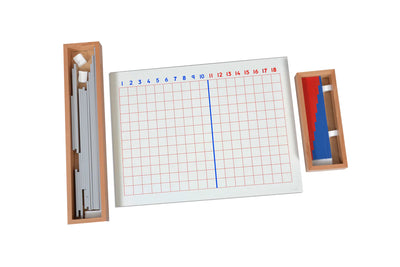
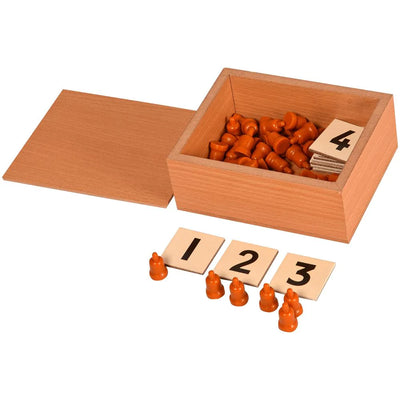
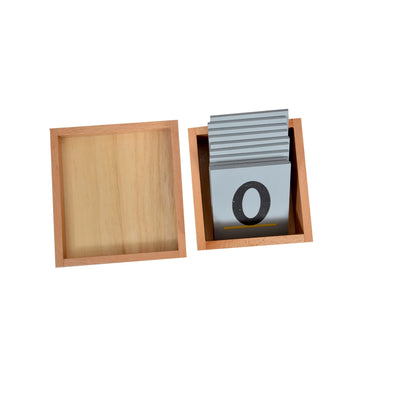
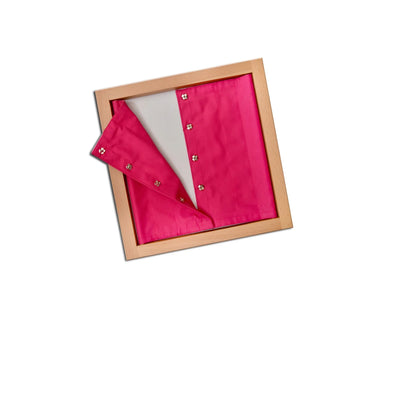
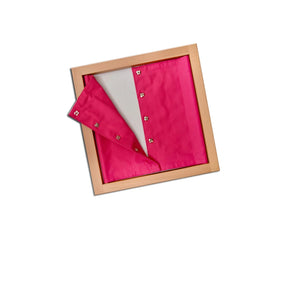
You don't need fancy equipment to begin! Start with what you have. Small katoris, a jug, dry grains like rice or dal for scooping, a small broom, or a spray bottle with a cloth are perfect. Over time, you can introduce specific practical life Montessori materials designed to isolate skills and encourage mastery. SkilloToys.com offers a wonderful range of authentic materials, from dressing frames to pouring sets, that are perfectly sized for tiny hands and durable for repeated use, enhancing **educational toys for toddlers** experiences.
Incorporating Indian Culture & Daily Routines
Integrate practical life into your daily Indian routines. Have your child help wipe the dining table after a family meal, water the tulsi plant, or sort small items like 'papad' or dried spices (under supervision). During festivals like Diwali or Holi, involve them in simple tasks like wiping decorative items or helping to mix ingredients for ladoos. These shared moments are not just about skill development but also about strengthening family bonds and transmitting cultural values.
Tips for Toddlers and Beyond
When introducing a new activity, demonstrate it slowly and silently, step-by-step. Allow your child to choose their activity and repeat it as often as they wish – repetition is key to mastery for toddlers Montessori materials. Observe without interruption, stepping in only if safety is a concern or if they genuinely need help. Remember, the goal is not perfection, but participation and the joy of 'I can do it myself!' This approach nurtures independence and builds a strong foundation for future learning and development, including more advanced **Montessori learning activities**.
Key Takeaways
- Montessori practical life activities foster independence, concentration, and fine motor skills in 2-year-olds.
- Set up a dedicated, accessible practical life station using a low shelf or small table in your Indian home.
- Begin with everyday household items like small jugs, cloths, and dry grains for scooping.
- Integrate activities into your family's daily routines and cultural celebrations, like festivals.
- Demonstrate activities slowly and silently, allowing for repetition and self-correction.
- Observe your child's engagement and provide a prepared environment that empowers them with autonomy.
Frequently Asked Questions
What age is best to start practical life activities?
Practical life activities can begin as early as 18 months, with 2-year-olds being particularly receptive. The key is to offer age-appropriate tasks that align with their developmental stage and growing desire for independence.
Do I need special Montessori toys for a practical life station?
No, you can absolutely start with everyday household items like small jugs, cloths, and bowls. While authentic Montessori practical life materials are designed for specific skill isolation, using common items effectively introduces the concepts and fosters early independence.
How do I handle spills or mistakes during practical life activities?
Spills and mistakes are a natural and valuable part of the learning process. Gently guide your child to clean up the mess themselves, showing them how to use a sponge or cloth. This teaches responsibility, problem-solving, and resilience rather than discouraging their efforts.
My child isn't interested in practical life. What should I do?
Observe what activities your child is naturally drawn to in daily life. Perhaps they enjoy helping in the kitchen, watering plants, or sorting. Start there, demonstrating slowly and inviting them to participate without pressure. Ensure the materials are accessible, engaging, and relevant to their interests.
How much time should my 2-year-old spend on practical life activities?
There's no fixed duration for practical life engagement. Allow your child to engage as long as their interest holds, whether it's a few minutes for one activity or longer for several. The emphasis is on quality, self-directed engagement and the joy of mastery, not on clocking specific times.
Embracing practical life activities at home is a beautiful gift you can give your child, fostering not just skills but a deep sense of capability and joy. We hope these ideas inspire you to create a little corner of independence in your Indian home. For more authentic Montessori resources and educational toys, explore our collections at SkilloToys.com.