Prepare a Montessori Art Shelf for Home Learning
Imagine a quiet corner of your home, bustling with gentle creativity – your little one, completely absorbed, sketching with vibrant crayons or carefully painting a colourful picture. This isn't just a dream; it's the reality a well-prepared Montessori art shelf can bring into your Indian home. For parents exploring Montessori at home India, creating such a space is a beautiful way to nurture your child's innate desire to create and learn, fostering independence and artistic expression.
So, what exactly is a Montessori art shelf? It's a dedicated, accessible space designed for children to freely choose and engage with art activities. Unlike a typical craft box that might overwhelm with choices, a Montessori art shelf presents materials in an organized, inviting manner, often on individual trays. This method empowers children to select their activity, work with concentration, and return materials independently, thereby developing crucial fine motor skills, self-discipline, and a love for creative exploration.
Why Bring Art the Montessori Way to Your Home?
In the Montessori philosophy, art is not just about producing a masterpiece; it's about the process, the exploration, and the development it ignites. Dr. Maria Montessori observed that children have an absorbent mind and a natural drive for purposeful activity. Providing a prepared environment, like an art shelf, aligns with this drive, allowing them to develop concentration, problem-solving abilities, and an understanding of cause and effect.
For Indian families, art is often deeply woven into daily life – from drawing rangoli during Diwali to decorating for festivals. A Montessori art shelf embraces this cultural richness, offering a structured yet free-form way for children to engage with creativity. It encourages 'educational toys for toddlers' to become tools for self-expression, fostering holistic child development India values.
Setting Up Your Child's Creative Corner
Finding the Perfect Spot in Your Indian Home
Whether you live in a spacious joint family home or a cozy city apartment in Bengaluru, a dedicated art space is achievable. Look for a low, accessible shelf or a section of a bookshelf in a quiet, well-lit area – perhaps near a window. Ensure it's away from high-traffic zones but still within sight, allowing for gentle supervision. Remember, accessibility means your child can reach everything without asking for help, fostering their autonomy.
Choosing the Right Shelf and Presentation
A low, sturdy shelf or even a small, child-sized table can serve as your art station. The key is to keep materials organised and inviting. Montessori principles advocate for presenting one activity per tray. This simplicity reduces overwhelm and teaches children to focus on a single task. Small baskets or clear containers can also work beautifully for storing items like crayons or glue sticks, making cleanup easy.
Curating Your Montessori Art Materials
The Essentials: Building Your Basic Toolkit
Start with foundational, open-ended materials that encourage diverse expression. Think large, triangular crayons for a good grip, washable tempera paints, thick paper, and child-safe scissors. Consider a range of textures too, like playdough or natural clay, which are wonderful for developing hand strength and sensory exploration. Look for quality, non-toxic options that are safe for little hands and mouths.
Introducing Variety and Local Flavours
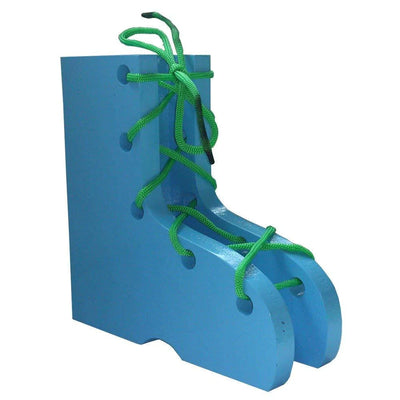
Once you have the basics, consider rotating in more specific activity kits. These could include paper punching sets, lacing cards, or simple weaving frames, all of which enhance fine motor skills. Don't forget to infuse local Indian context! Offer materials for making simple Torans, creating patterns inspired by block prints, or using natural dyes from kitchen ingredients. Seasonal items like fresh flowers for pressing or leaves for rubbings also add a wonderful dimension to art activities.
Focus on Process, Not Product
When you introduce new materials or activities, demonstrate their proper use slowly and deliberately, without speaking too much. Then, step back. Allow your child to explore without correction or praise focused on the 'end product'. The goal is their engagement, the joy of discovery, and the development of their inner artist. This approach truly supports Montessori learning activities, focusing on the child's journey.
Keeping it Fresh: Rotation is Key
Children thrive on novelty and purpose. Observe your child's engagement. If an activity sits untouched for days, it might be time to rotate it out for something new. A fresh rotation keeps the art shelf exciting and relevant to your child's current interests and developmental stage. SkilloToys offers a range of Montessori learning materials that can inspire your rotations, from practical life tools to early art exploration sets.
A prepared environment with thoughtfully chosen Montessori toys and materials encourages not just creativity, but also independence and self-confidence. It empowers your child to be the architect of their own learning and play.
Key Takeaways
- A Montessori art shelf provides a dedicated, accessible space for child-led artistic exploration.
- It fosters independence, concentration, fine motor skills, and creative self-expression.
- Materials should be child-safe, age-appropriate, and presented individually on trays for easy access.
- Regular rotation of activities keeps the shelf engaging and responsive to the child's evolving interests.
- Setting up an art shelf is adaptable to diverse Indian home environments, from small apartments to joint families.
Frequently Asked Questions About Montessori Art Shelves
What is the ideal age to introduce a Montessori art shelf?
While simple sensory activities can start earlier, a dedicated Montessori art shelf is typically ideal for children aged 2.5 to 3 years onwards. At this age, children develop fine motor skills and the concentration needed for more structured art activities, fostering genuine engagement.
How do I manage the mess associated with art activities?
Managing mess is part of the learning! Use washable paints, provide an apron, and designate a specific art area. Teach your child to clean up by providing small sponges or cloths, making it a natural part of the Montessori process of care for the environment.
Can I set up a Montessori art shelf in a small Indian apartment?
Absolutely! Adaptability is key. Use a low, sturdy stool as a table, or a section of an existing low bookshelf. Prioritize one or two activities at a time on small trays, making the most of your available space. Even a 'chhota sa' corner can be magical.
How often should I rotate the art materials on the shelf?
Rotate materials based on your child's engagement and developmental stage, typically every 1-2 weeks or when you notice a drop in interest. Introducing new, age-appropriate items or variations of existing ones keeps the art shelf fresh and exciting for continuous learning.
What kind of materials should I include on a Montessori art shelf?
Focus on open-ended, child-safe materials. Essentials include paper, crayons, washable paints, brushes, and clay. Incorporate local Indian elements like rangoli powders (under supervision), natural leaves for imprints, or materials for traditional craft-inspired activities to enrich the experience.
Creating a Montessori art shelf is a gift of self-expression and independence you can give your child. Embrace the journey of discovery and watch their creativity blossom, guided by the thoughtful design of their own prepared environment. For more ideas and authentic Montessori resources, explore SkilloToys.com.