Preparing Your Montessori Home: Indian Family Tips
Every Indian parent dreams of seeing their child blossom into an independent, confident, and curious individual. In our bustling homes, often brimming with family love and vibrant traditions, creating a space that nurtures this growth might seem like a unique challenge. But it's entirely possible and incredibly rewarding to start preparing your home environment the Montessori way, adapting it beautifully for your Indian family.
So, what exactly does a Montessori home environment mean? This concept, pioneered by Dr. Maria Montessori, refers to a thoughtfully arranged space designed to support a child's natural development and independence. It's an environment that is ordered, aesthetically pleasing, and full of opportunities for self-directed activity. This works because children aged 0-6 years possess an innate drive to learn and explore, and a prepared environment allows them to engage with materials and activities at their own pace, fostering concentration, self-discipline, and a love for learning. Parents can observe their child's interests and readiness, then provide appropriate materials and support, rather than directing every activity.
The Heart of Montessori: A Prepared Environment
At its core, a Montessori prepared environment is more than just a room; it's a living space tailored to the child's developmental needs. It respects the child as an individual capable of making choices and learning through exploration. Imagine low shelves with accessible Montessori learning activities, child-sized furniture, and an overall sense of calm order. This setup empowers children to move freely, choose their work, and master skills independently, significantly aiding their overall child development in India.
Order and Accessibility: Foundations for Growth
Order is paramount in a Montessori home. This doesn't mean spotless perfection, but rather a logical arrangement where everything has its place. When a child knows where to find materials and where to return them, it builds a sense of security and promotes concentration. Ensuring materials are accessible at the child's height encourages them to take initiative and fosters independence.
Adapting Montessori for the Indian Home
Embracing Simplicity in Small Spaces
Many Indian families live in apartments or homes where space is a premium. The beauty of Montessori is its adaptability. You don't need a dedicated playroom; any corner of your living room or bedroom can become a "yes" space. Utilize vertical space with low, sturdy shelving, and choose multi-functional wooden toys that encourage open-ended play rather than cluttering with numerous single-purpose items. Rotate materials regularly to keep the environment fresh and engaging without overwhelming small areas.
Integrating Culture and Tradition
Montessori is universal, but its application can be deeply local. Integrate elements of Indian culture into your prepared environment. A small, accessible mat for sitting and working on the floor is culturally relevant and comfortable. Involve children in simple household chores like sorting fresh vegetables for cooking, helping with a small Rangoli, or arranging flowers for a puja. These are wonderful practical life Montessori materials that connect them to their heritage.
Fostering Independence (Even with Grandparents!)
Joint families are a cornerstone of Indian society, offering immense love and support. While grandparents might be used to doting on children, explaining the value of fostering independence can help bridge approaches. Involve them by showing how a child cleaning up their own spill, for instance, builds capability and confidence. Small, child-friendly brooms or sponges can be provided, making clean-up an engaging activity rather than a chore. This collaborative approach benefits everyone.
Key Areas to Focus On
The Movement Area: Freedom to Explore
Allowing freedom of movement is crucial. Create open spaces where your child can crawl, walk, and explore safely. A small pull-up bar, a Pikler triangle, or even just clear floor space allows for gross motor development. Ensure safety by securing furniture and covering outlets, providing a secure space for your child to move and build strength.
Practical Life: Skills for Everyday Living
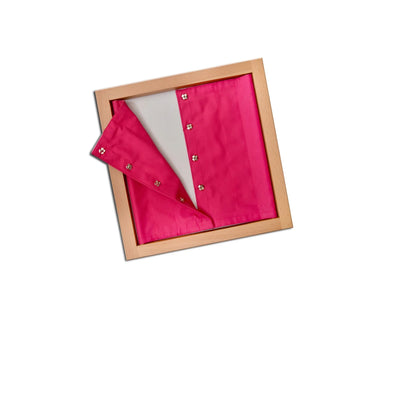
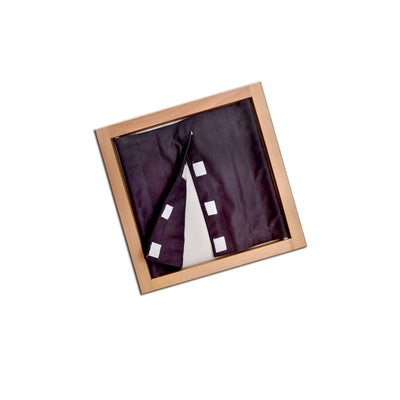
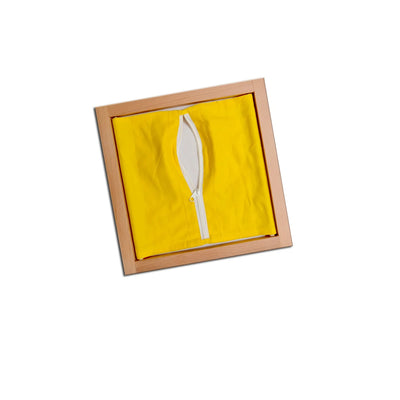
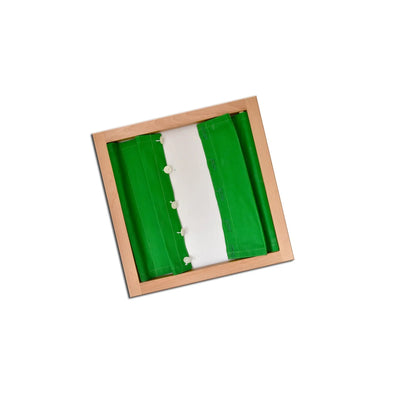
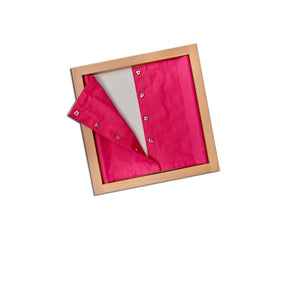
Practical life activities are the cornerstone of early Montessori learning, and they fit seamlessly into Indian homes. Think about everyday tasks: pouring water from a small jug, scooping rice or lentils, wiping surfaces, or buttoning clothes. These activities develop fine motor skills, concentration, and a sense of contribution. Providing child-sized tools for these tasks empowers toddlers and preschoolers, making them active participants in daily life.
Language & Sensorial: A World of Discovery
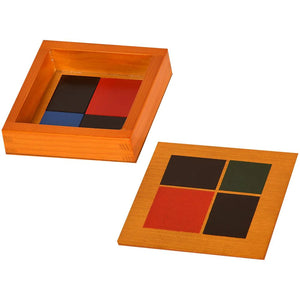
A rich language environment is vital. Keep age-appropriate books accessible on a low shelf, and engage in conversations about everything around you, from festivals to daily routines. Sensorial materials, which isolate qualities like color, shape, and texture, refine the senses. Simple items from your kitchen – spices for smell, different fabrics for touch – can be excellent sensory tools. These early exposures lay a strong foundation for future learning, acting as wonderful educational toys for toddlers.
Creating a Montessori home in India is a journey of observation, preparation, and immense joy. It's about respecting your child's innate capabilities and providing them with the freedom within limits to thrive in their unique Indian context. Explore our wide range of carefully curated Montessori educational toys and resources at SkilloToys.com to support your family's journey.