Wooden Puzzles for Kids: Montessori Types, Benefits & Play
Wooden puzzles for kids are foundational Montessori learning materials that cultivate fine motor skills, problem-solving abilities, and cognitive development through hands-on, self-correcting play. For Indian parents, these natural, sustainable toys offer a powerful antidote to screen time, fostering crucial readiness skills for school and a deep connection to traditional craftsmanship.
As the conversation around conscious parenting grows in India, especially with features like “Christmas Gifts for Kids: 10 Indian Brands Making Thoughtful, Sustainable Toys” in The Better India, understanding the educational depth of traditional materials becomes vital. Our aim at SkilloToys is to empower Indian families to make informed choices that benefit their children and the planet.
What are Montessori Wooden Puzzles?
Montessori wooden puzzles are meticulously designed learning tools, typically crafted from natural wood, that engage a child's senses and intellect through practical, self-directed exploration. They promote concentration, independence, and a deeper understanding of concepts like shape, size, and sequence. Maria Montessori herself emphasized the importance of self-correcting materials, allowing children to learn from their own mistakes without adult intervention.
This self-correcting aspect is critical. For instance, a piece only fits in one specific spot, immediately giving the child feedback on their attempt. Child development experts agree that this immediate feedback loop strengthens problem-solving pathways and fosters intrinsic motivation, rather than relying on external praise.
Exploring Types of Wooden Puzzles for Kids
The world of Montessori wooden puzzles is rich and varied, designed to meet children at their specific developmental stages. Understanding these types of wooden puzzles helps parents select the most appropriate challenges for their little ones.
Knobbed Puzzles: First Steps in Precision
These simple puzzles, often featuring geometric shapes, animals, or vehicles, have small knobs for children to grasp. They are ideal for infants and toddlers (typically 12-24 months) to develop their pincer grip and fine motor control. The satisfaction of placing a piece correctly encourages repetition, honing hand-eye coordination.
For a 15-month-old like Rohan in Chennai, a knobbed circle puzzle might be his first introduction to spatial relationships. He learns that the circle only fits the circular hole, a fundamental lesson in classification and logical thinking.
Shape Sorters & Geometric Puzzles: Foundations of Logic
As children grow, typically between 18 months and 3 years, wooden learning puzzles evolve into shape sorters and more complex geometric puzzles. These challenge a child to match shapes (circles, squares, triangles) to corresponding holes or to assemble multiple geometric pieces to form a larger shape. This activity strengthens visual discrimination, shape recognition, and early mathematical concepts.
Research published by the American Academy of Pediatrics highlights the direct correlation between early spatial reasoning activities and later mathematical ability. A 3-year-old Aanya from Bengaluru, playing with a geometric shape sorter, isn't just “playing” – she's building critical pre-math skills.
Layer Puzzles & Jigsaws: Building Complexity and Patience
From 2.5 years onwards, layer puzzles introduce the concept of depth and sequence, often depicting the growth of an animal or the layers of the human body. These puzzles demand increased cognitive effort and an understanding of how parts combine to form a whole. As children approach preschool age, traditional wooden jigsaw puzzles become excellent tools for developing persistence, problem-solving strategies, and the ability to work towards a larger goal.
In a joint family, grandparents often find joy in sitting with children as they tackle these puzzles, gently guiding them without solving it for them – a beautiful blend of traditional family engagement and Montessori principles.
Explore our wide range of Montessori Method Learning Materials & Toys for puzzles suited to every stage.
Developmental Puzzles for Kids: Beyond Basic Play
The benefits of engaging with Montessori wooden puzzles extend far beyond mere entertainment. They are meticulously designed to support comprehensive child development, addressing various domains simultaneously.
Fostering Fine Motor Skills and Hand-Eye Coordination
Every grasp, lift, and placement of a puzzle piece refines a child's fine motor skills, strengthens the small muscles in their hands, and improves hand-eye coordination. These are crucial pre-writing skills that directly impact a child's readiness for school, easing the transition to holding pencils and forming letters.
Cultivating Problem-Solving and Cognitive Development
Puzzles are inherently problem-solving tasks. Children must analyze shapes, compare sizes, and strategically fit pieces together. This process builds logical thinking, critical reasoning, and spatial awareness. NCERT's National Curriculum Framework for Foundational Stage (2022) emphasizes play-based learning for cognitive development, and wooden puzzles align perfectly with this philosophy.
Enhancing Concentration and Independence
In a world often filled with distractions, the focused attention required to complete a puzzle helps extend a child's concentration span. Because Montessori puzzles are self-correcting, children learn to trust their own abilities and persevere through challenges, fostering a strong sense of independence and self-efficacy.
How to Use Wooden Puzzles: Practical Play Ideas for Indian Homes
Integrating wooden learning puzzles into your child's routine doesn't require a dedicated Montessori classroom; it can be seamlessly woven into the rhythm of an Indian household. The key is thoughtful presentation and respecting the child's independent exploration.
The Prepared Environment: A Montessori Principle at Home
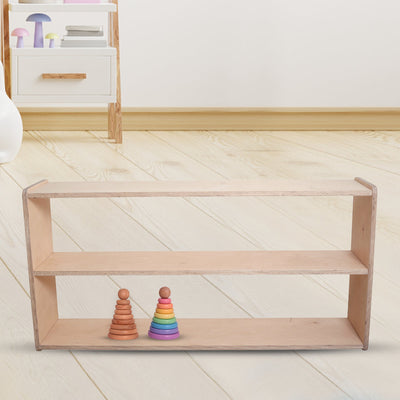
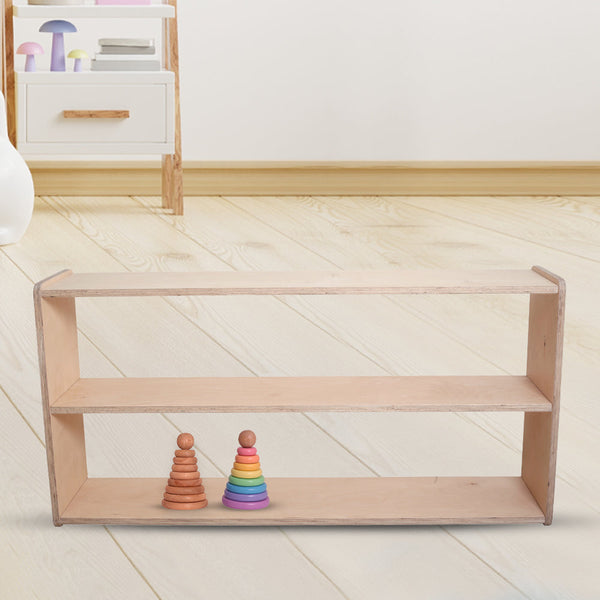
Designate a “work” space – perhaps a small mat on the floor of your living room or a low shelf in their bedroom. Present one or two puzzles at a time, ensuring they are easily accessible and appealing. Rotate the puzzles regularly to keep interest high, especially in urban Indian flats where space might be limited.
When a child sees their toys presented with care, it communicates respect for their work and encourages them to engage thoughtfully. This aligns with the “Toy-tally Indian” movement, celebrating how local, quality toys can transform play.
Demonstrate, Don't Dictate
When introducing a new puzzle, demonstrate its use slowly and deliberately, without speaking. Show how to take out a piece, trace its outline, and place it back. Then, invite the child to try. Avoid praising “good job” excessively; instead, acknowledge their effort: “You worked hard to put that piece in!” or “You completed the puzzle!”
This approach encourages intrinsic motivation. Just as a potter in Varanasi meticulously shapes wood, children, too, find satisfaction in the process and creation, not just the outcome.
Creative Play Ideas with an Indian Touch
- Festival-Themed Puzzles: Use animal or figure puzzles to tell stories about Indian festivals like Diwali or Holi. “This elephant piece can be Ganesha on his way to a celebration!”
- Language Link-Up: As children play, introduce vocabulary in their mother tongue or English. “This is a ‘gol’ (round) shape,” or “Can you find the ‘neela’ (blue) piece?”
- Story Time Connection: After completing a puzzle of an animal or a scene, encourage your child to invent a short story about it. This builds language skills and imagination, a crucial aspect of early literacy encouraged by child psychologists.
- Collaborative Grandparent Play: Invite grandparents to sit with your child during puzzle time. They can share observations, talk about the shapes, or simply enjoy the quiet concentration, fostering intergenerational bonds without interfering with the child's learning process.
The beauty of Montessori wooden puzzles lies in their simplicity and the boundless opportunities they offer for learning and growth. By choosing these timeless, natural materials, Indian parents are not just buying a toy; they are investing in their child's cognitive development, independence, and a sustainable future.