Homeschooling Curriculum India: Montessori for Natural Learning
Crafting a comprehensive homeschooling curriculum in India with a Montessori approach empowers children to become self-directed, joyful learners right within their homes. Research indicates that child-led, hands-on learning fosters deeper understanding and greater academic confidence, especially when tailored to individual developmental needs. This guide helps Indian parents design a natural learning curriculum that blends Montessori principles with local cultural richness.
What is Montessori Homeschooling?
Montessori homeschooling is an educational philosophy where parents create a stimulating home environment, guided by the child's natural developmental stages. It's about fostering independence, concentration, and a love for learning through hands-on activities and self-chosen 'work.' Indian parents can adopt this method to cultivate holistic growth away from traditional school pressures.
Why Montessori Homeschooling Resonates with Indian Families
The Montessori approach, with its emphasis on respecting the child and fostering practical life skills, aligns beautifully with many traditional Indian family values. In a country where joint families often provide a natural mixed-age learning environment, children learn observationally and through participation in daily life. This method allows parents to cultivate discipline, respect for elders, and a sense of community service from a young age, without the intense academic pressure sometimes found in conventional schooling.
Furthermore, as reported by The Better India, a growing number of Indian brands are creating thoughtful, sustainable toys, reflecting a shift towards quality over quantity. This movement supports eco-conscious Indian parents choosing Montessori-aligned wooden toys, moving away from single-use plastics towards durable, open-ended materials that last generations, much like family heirlooms.
Designing Your Natural Learning Curriculum: Key Principles
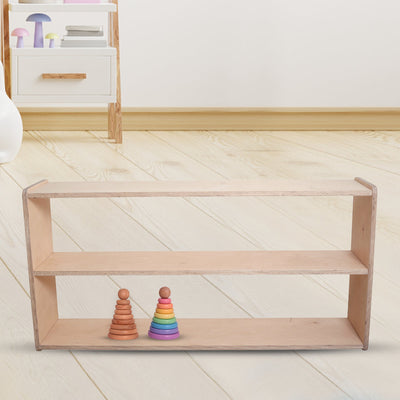
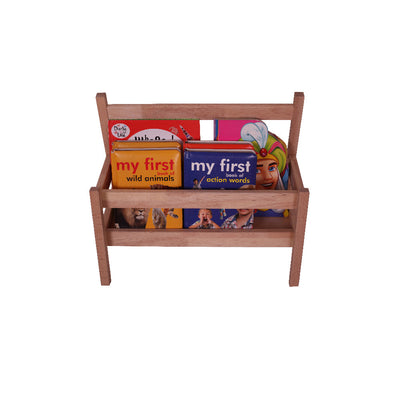
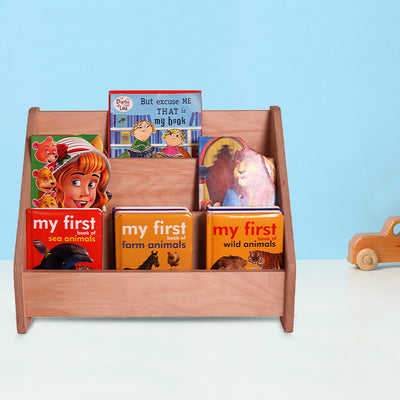
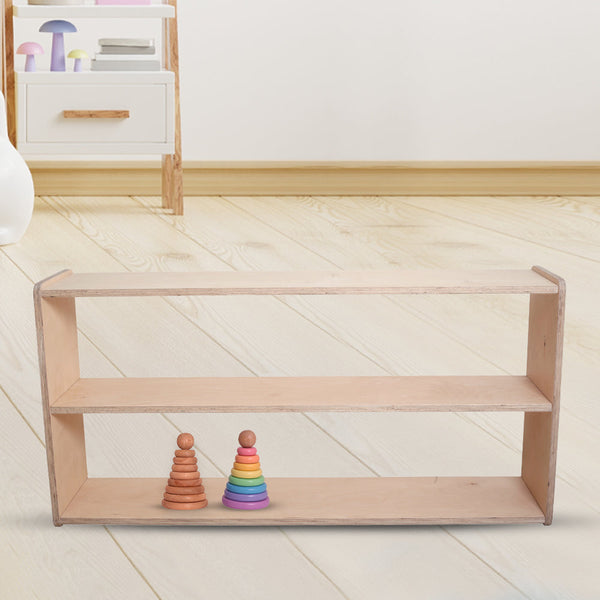
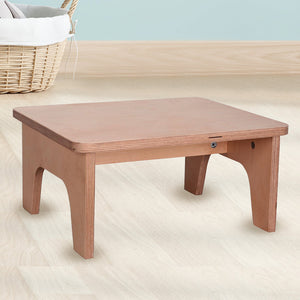
A successful natural learning curriculum for Montessori homeschooling India hinges on three core principles: the prepared environment, observation, and freedom within limits. The 'prepared environment' means setting up a home space that is orderly, accessible, and filled with developmentally appropriate activities. This space should invite exploration and independent engagement, allowing children to move freely and choose their 'work.'
Observation is the parent's most powerful tool. By quietly watching your child, you gain insight into their interests, sensitivities, and developmental readiness, informing which materials to introduce next. Freedom within limits ensures the child has agency over their learning, but within a safe, respectful, and structured framework. For instance, a child might choose to work with Montessori learning materials at any time, but they must put them back in their designated place after use.
The Role of Wooden Educational Toys in a Montessori Home
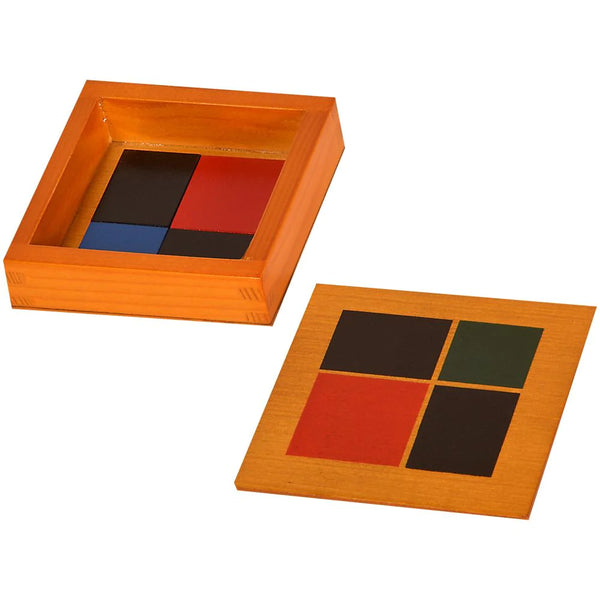
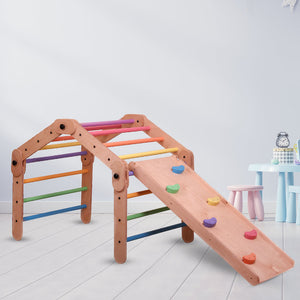
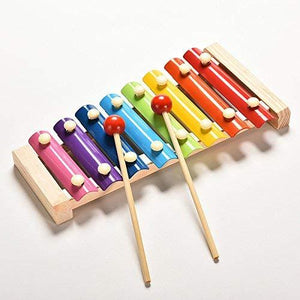
Natural, open-ended wooden educational toys for homeschooling are fundamental to the Montessori philosophy. Unlike noisy, battery-operated plastic toys that dictate play, wooden toys invite children to imagine, create, and problem-solve. The satisfying weight, smooth texture, and simple design of a wooden block set, for example, encourages deep concentration and fine motor development.
These durable toys support multiple developmental stages. A toddler might stack and knock down wooden blocks, while an older child might construct intricate cities or learn fractions with them. As New Lines Magazine highlighted with Varanasi's wood carvers, there's a timeless artistry and sustainability inherent in wooden toys that connect children to craftsmanship and natural materials, fostering a sense of reverence for objects and their origins.
Specific Montessori materials like the Pink Tower (for understanding dimension), Sandpaper Letters (for phonetic awareness), and Geometric Solids (for tactile exploration of shapes) are typically crafted from wood, embodying the principles of sensorial learning and self-correction. These materials are designed to isolate a single concept, making learning clear and purposeful.
Integrating Indian Culture and Context into Your Montessori At Home
A truly enriching Montessori at home India curriculum naturally weaves in local culture. This goes beyond just adding Indian stories; it means integrating festivals, regional languages, and daily Indian life into the child's practical experiences. For instance, instead of generic 'pouring activities,' children can learn to pour water for traditional *aarti* or serve *chai* to family members, making the activity culturally meaningful.
Introducing children to regional folk art, classical Indian music, or simple cooking of traditional dishes can be part of their practical life curriculum. The 'silence game,' a Montessori exercise in self-regulation and auditory discrimination, can be presented as a moment of calm reflection, akin to contemplative practices found in Indian traditions. This cultural integration helps children develop a strong sense of identity and belonging, fostering global citizens rooted in their heritage, as exemplified by brands celebrating 'Toy-tally Indian' identity.
Structuring Your Day: Flexibility and Observation
There's no rigid timetable for Montessori homeschooling; flexibility is key. Child development experts agree that children thrive with periods of uninterrupted 'work cycles,' typically 2-3 hours, where they can choose activities and delve deeply into them without interruption. Within an Indian home, this might mean a morning block for academic work, followed by practical life activities like helping with *roti* making, and then outdoor play or cultural stories with grandparents in the afternoon.
Observation guides the daily rhythm. If your child is deeply engrossed in a task, allow them to continue. If they seem restless, suggest a change of activity or a break. Remember, homeschooling offers the unique advantage of adapting to your child's energy levels and interests, rather than fitting them into a predetermined schedule. Incorporate plenty of outdoor time for gross motor development and connection with nature, perhaps in a local park or a visit to the *nana-nani's* village.
Resources and Support for Indian Homeschooling Parents
Building a successful Indian homeschooling curriculum resources requires community and support. Many online forums and local groups exist where Indian homeschooling parents share experiences, resources, and encouragement. SkilloToys.com itself serves as a valuable resource for high-quality, sustainable Montessori-aligned wooden educational toys, ensuring your child has access to materials that foster natural learning.
Consider connecting with other parents to form small co-ops for field trips to local markets, museums, or even shared learning experiences focusing on Indian history and science. This network can provide children with social interaction and parents with fresh perspectives and practical tips. The journey of Montessori homeschooling is enriched by shared wisdom and a collective commitment to thoughtful, child-led education.
Empowering your child through a carefully crafted Montessori homeschooling curriculum in India is a profound decision, yielding confident, capable, and culturally aware individuals. Tonight, observe your child during their most engaged play. What are they truly interested in? Use that insight to plan one new activity or introduce one new wooden toy that will fuel their innate curiosity tomorrow.