Raise an Independent Child from Age 1: Montessori Tips
Every parent dreams of a child who can confidently explore their world, make their own choices, and contribute to the family. In our bustling Indian homes, finding ways to nurture this self-reliance can sometimes feel like a challenge amidst busy schedules and doting family members. But what if we told you there's a beautiful, time-tested approach that helps you raise an independent child from age 1 using Montessori principles, even in a small apartment or a large joint family? It's about empowering your little one to say, "I can do it myself!" from the very start.
At its heart, Montessori education views independence not just as a skill, but as a fundamental human drive. Maria Montessori observed that children naturally seek to master their environment. This approach focuses on enabling a child to act, think, and decide for themselves within a supportive, thoughtfully prepared setting. It’s about cultivating inner discipline and a lifelong love for learning, rather than just teaching tasks.
Creating a ‘Prepared Environment’ at Home: The Indian Way
The cornerstone of Montessori is the “prepared environment” – a space intentionally designed to foster independence. For Indian homes, whether it's a cozy urban apartment or a spacious family home, this means creating child-accessible areas. Think low shelves, small chairs, and materials within reach. This approach to "Montessori at home India" ensures your child doesn’t constantly need adult help to engage with their surroundings.
Consider dedicating a “yes” space where your toddler can explore safely without constant “no's”. This might be a corner in the living room with their books and a basket of safe, natural toys. SkilloToys offers a wide range of Montessori learning materials that seamlessly fit into such prepared environments, encouraging self-directed play and discovery.
The Power of Practical Life Activities from Age 1
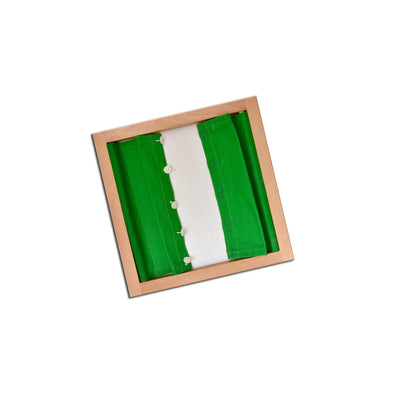
Practical life activities are purposeful, real-world tasks that help children develop coordination, concentration, and a sense of order. This works because engaging in meaningful work fulfills a child's innate need to contribute and builds their confidence in their own abilities. Parents can integrate simple chores like sweeping with a child-sized broom or watering plants into their daily routine.
For a one-year-old, this could be as simple as helping to put their blocks back in a basket or placing their small cup in the sink after drinking water. As they grow, activities like pouring water from one jug to another, peeling fruits like bananas, or helping to set a small mat for their snack become invaluable. These activities are foundational for “child development India” and are beautifully supported by practical life Montessori materials.
Fostering Choice and Respect: A Cornerstone of Child Development in India
Offering choices, even small ones, empowers your child and builds their sense of agency. “Would you like to wear the red kurta or the blue one today?” or “Shall we have idli or dosa for breakfast?” – these simple questions give your toddler a voice and a sense of control over their day. This is crucial for developing confidence and respect for self and others.
Respecting your child's concentration is equally important. When they are deeply engaged in an activity, avoid interrupting them unnecessarily. This respect for their work, a core Montessori principle, helps them develop focus and a longer attention span. In a joint family setting, gently educating other family members, including loving grandparents, about this approach can create a consistent and supportive environment.
Educational Toys for Toddlers: Tools for Independence
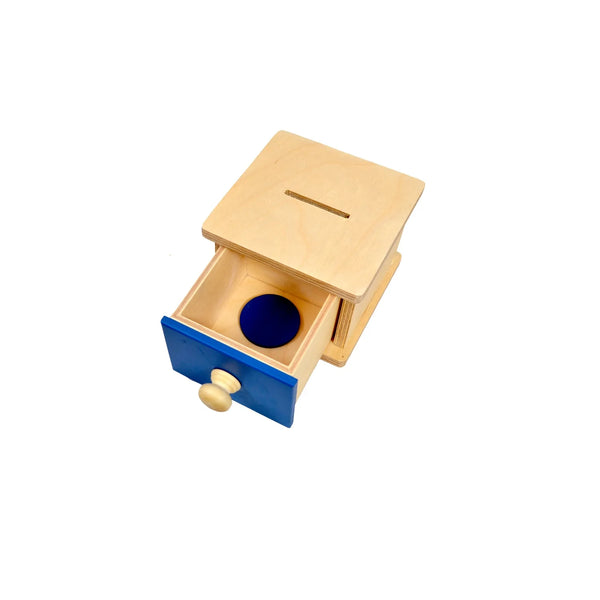
Montessori “educational toys for toddlers” are not just playthings; they are tools for learning and independence. Unlike conventional toys that often dictate play, Montessori materials are designed to be self-correcting and isolate a single concept. For instance, a knobbed cylinder puzzle helps a child refine their pincer grasp and spatial reasoning without needing an adult to tell them if they're right or wrong.
From stacking rings to simple puzzles, these Montessori educational toys for toddlers encourage problem-solving and fine motor skills. They allow children to learn through exploration and repetition, building confidence with each successful attempt. This is a vital part of “Montessori learning activities” that promote self-reliance from a young age.
Nurturing Self-Reliance: Observing and Guiding
Your role as a parent is not to do everything for your child, but to observe, prepare the environment, and offer guidance when truly needed. Watch what your child is drawn to, what challenges them, and what brings them joy. This observation allows you to introduce new activities at the right moment, fostering a continuous cycle of learning and growth.
Patience is key. Allow your child to struggle a little, to make mistakes, and to find their own solutions. Resist the urge to jump in immediately. This “follow the child” philosophy empowers them to build resilience and self-belief, knowing they are capable of overcoming challenges on their own.
Raising an independent child from age 1 using Montessori principles is a journey of trust, respect, and careful preparation. By embracing these ideas, you're not just teaching your child to do things; you're nurturing a confident, capable individual ready to take on the world. SkilloToys.com is here to support you with quality materials that make this journey joyful and enriching for your entire family.