Reading to Babies Changes Brain Structure: A Permanent Impact
Imagine a quiet corner in your home, perhaps on a comfy rug or a beloved charpai, with your little one nestled close as you open a book. It’s a moment of connection, a gentle whisper into their eager ears. But did you know that this simple, heartwarming ritual of reading to babies changes their brain structure permanently? It’s true! This isn't just about sharing stories; it's about actively building the very architecture of their minds, laying down foundational pathways for lifelong learning and connection.
The act of reading aloud to an infant or toddler is a powerful stimulant for brain development. This works because their brains, especially in the 0-3 age group, are incredibly plastic and receptive, rapidly forming billions of neural connections. Parents can actively foster this by making reading a regular, joyful part of their child's day, whether it's a board book before a nap or a story shared during a festive family gathering.
The Science Behind the Magic: How Reading Rewires the Brain
From the moment they are born, babies are like tiny scientists, absorbing every sound, sight, and sensation. When you read, you’re not just narrating words; you’re introducing them to rhythm, cadence, and a vast vocabulary. Research shows that children who are read to regularly develop more robust neural pathways in the language-processing areas of their brains. This early exposure significantly boosts their vocabulary, comprehension skills, and even their emotional intelligence.
Maria Montessori often spoke of the child's 'absorbent mind' – an innate capacity to effortlessly soak up information from their environment. Reading during this sensitive period for language development aligns perfectly with Montessori principles, offering rich linguistic input when the brain is most primed to receive it. It’s a vital step in their overall child development India parents cherish.
Montessori and Early Literacy: More Than Just Books
In a Montessori environment, language development is nurtured from birth, long before formal reading begins. It's about building a strong foundation of auditory discrimination, vocabulary, and pre-reading skills. Exposure to spoken language, storytelling, and rich conversations is paramount.
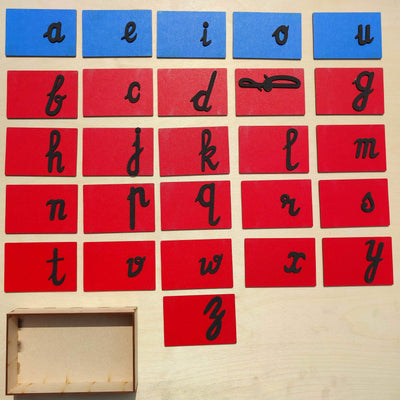
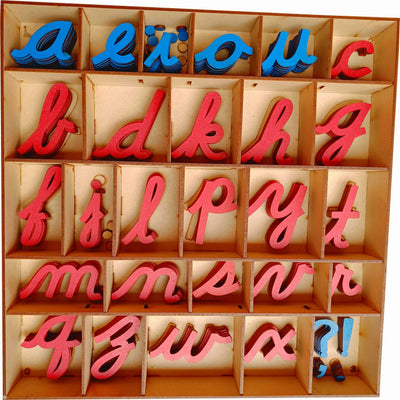
Beyond storybooks, Montessori classrooms and Montessori language materials like Sandpaper Letters, the Movable Alphabet, and picture cards help children connect sounds to symbols and build words. These tactile experiences prepare them for the mechanics of reading and writing, transforming abstract concepts into tangible discoveries. Even Montessori materials for toddlers that focus on practical life or sensorial exploration indirectly support language by providing names for objects and actions.
Creating a Language-Rich Environment in Your Indian Home
Integrating reading into your daily life can be wonderfully simple, even in a bustling Indian home or a small apartment. Dedicate a cozy corner for books, perhaps with a soft mat or a small cushion. Involve grandparents; their traditional stories and lullabies are a precious part of our heritage and excellent for language development. Even narrating your daily activities – "Amma is making chai now," or "Let's pick up the yellow toy" – builds vocabulary and comprehension.
For parents exploring Montessori learning materials at home, remember that a print-rich environment goes hand-in-hand with reading aloud. Label objects, point to words in books, and make reading a natural, enjoyable activity, not a chore. This supports early literacy and fosters a love for books from a young age.
Practical Tips for Joyful Reading Sessions
Making reading a joyful habit doesn't require elaborate setups. Just a few minutes daily can make a significant difference. Choose books with bright illustrations, sturdy pages (board books are a blessing!), and simple, repetitive text for younger babies. As they grow, introduce stories reflecting Indian culture, festivals, and diverse characters, helping them connect with their world.
Engage your little one by pointing to pictures, asking questions ("Where is the cat?"), and making animal sounds. Let them turn pages (even if it's a bit messy at first!). Remember, the goal isn't just to finish the story, but to create a positive, interactive experience. For older toddlers, consider interactive educational toys for toddlers that complement story themes.
Beyond Books: Everyday Language Opportunities
Language learning extends far beyond the pages of a book. Talk to your baby often, narrating your actions, singing songs and rhymes, and responding to their babbling. These "conversations" are vital for developing auditory processing skills and encouraging verbal expression. Exploring the world together – pointing out trees, birds, or market produce – adds real-world context to their burgeoning vocabulary.
Key Takeaways
- Brain Structure Changes: Reading aloud to babies physically alters and strengthens neural connections in their brains, specifically in language processing areas.
- Montessori Alignment: Early reading aligns with Montessori's emphasis on the absorbent mind and sensitive periods for language acquisition.
- Holistic Development: Reading boosts vocabulary, comprehension, cognitive skills, and emotional intelligence from an early age.
- Language-Rich Environment: Create opportunities for language exposure through books, conversations, and traditional storytelling, even in small spaces.
- Consistent & Joyful: Regular, interactive reading sessions are more impactful than infrequent, lengthy ones.
Frequently Asked Questions
When should I start reading to my baby?
You can start reading to your baby from birth! Even newborns benefit from hearing your voice, recognizing rhythm, and observing facial expressions. Early exposure lays the groundwork for language development.
What kind of books are best for babies and toddlers?
For babies, opt for board books with high-contrast images, simple text, and tactile elements. For toddlers, interactive lift-the-flap books, stories with repetitive phrases, and books reflecting diverse cultures (including Indian stories) are excellent choices.
How does Montessori support early reading?
Montessori supports early reading by creating a language-rich environment, using hands-on Montessori language materials to connect sounds with symbols, and fostering a love for words through practical life activities and sensorial exploration.
What if my baby doesn't seem interested in reading?
Don't worry! Keep sessions short, follow their lead, and make it fun. Let them hold the book, point to pictures, and interact. Sometimes, they might prefer looking at the book quietly or simply listening to your voice while playing with an educational toy for toddlers nearby.
Every word you share, every story you read, is an investment in your child’s future, shaping not just their mind but their lifelong love for learning. Discover more ways to support your child’s development with thoughtfully curated Montessori learning materials at SkilloToys.com.