Rotation Toy Shelf Ideas for Small Indian Homes
In bustling Indian cities, living in cozy apartments or joint family homes often means making the most of every square foot. For parents keen on bringing Montessori principles into their daily lives, the idea of a spacious, open playroom can feel like a distant dream. But fret not! Creating an enriching Montessori environment doesn't require a large house; it simply calls for thoughtful planning and smart solutions. One of the most impactful ways to achieve this, especially with limited space, is through well-implemented rotation toy shelf ideas.
What is Montessori Toy Rotation?
Montessori toy rotation is the practice of presenting a limited selection of toys and activities to a child at a time, keeping the rest stored away. This works because it prevents overstimulation, encourages deeper engagement with each material, and fosters independence. Parents can easily implement this by having a dedicated shelf or area where only a few items are accessible, swapping them out every few days or weeks based on the child's interest and developmental stage.
The Benefits of Toy Rotation in Indian Homes
Embracing toy rotation offers a multitude of benefits that resonate particularly well within the Indian family context. It encourages children to truly appreciate what they have, fostering a sense of gratitude that is deeply valued in our culture. By offering fewer choices, children develop longer attention spans and a greater sense of purpose during play, rather than flitting from one item to another. This focused engagement is crucial for optimal child development India.
Furthermore, it drastically reduces clutter, which is a blessing in smaller living spaces. Imagine fewer toys strewn across the living room floor during a festival gathering or when grandparents visit! It teaches children responsibility for their environment and helps maintain a calm, ordered home, contributing to a more peaceful atmosphere for everyone, from the youngest child to the eldest family member.
Crafting Your Montessori Shelf for Limited Space
Choosing the Right Shelf
For small Indian apartments, selecting the right piece of furniture is key. Look for low, open shelves that allow your child to easily see and access their chosen activity. Simple, sturdy designs are best. You might repurpose a low book rack, a small cabinet without doors, or even a stack of sturdy wooden crates. Remember, the idea is accessibility and visibility, empowering your child to make their own choices. Locally sourced wooden furniture or even a skilled carpenter can create custom, space-efficient options.
What to Place on the Shelf
The beauty of toy rotation lies in its curated selection. On your rotation shelf, aim for 4-6 carefully chosen items that represent a variety of developmental areas. This might include a puzzle, a stacking toy, a practical life activity, and a book. Rotate these items regularly. For beautiful, durable options, explore our range of wooden toys, which are timeless and naturally engaging.
How Often to Rotate
There's no hard and fast rule for how often to rotate. Observe your child! If they're showing less interest in a particular toy, or if they’ve mastered a skill, it’s time for a swap. For very young children, rotation might happen weekly, while older toddlers might engage with materials for longer periods. The goal is to keep their play fresh and challenging, aligning with Montessori learning activities.
Smart Storage Solutions for Indian Homes
Vertical Space is Your Friend
When floor space is scarce, look up! Floating wall shelves can house materials not currently in rotation, or even display child-made artwork. Stackable storage bins or woven baskets (like those made from local cane or bamboo) can be tucked into corners, under beds, or inside wardrobes, holding the 'rotated out' toys neatly. This keeps your active shelf uncluttered and the other materials easily retrievable for the next rotation.
Multi-purpose Furniture
Consider furniture that does double duty. An ottoman with hidden storage, a bench that opens up to reveal space for art supplies, or even a traditional Indian 'bajot' (low table) that can serve as a play surface and be slid under another table. These ingenious solutions help maintain order while blending seamlessly into your existing home decor. Many Montessori materials for toddlers are compact and fit well into these kinds of storage solutions.
Involving the Family
In a joint family setup, getting everyone on board can make a huge difference. Grandparents often enjoy helping organise and cherish the tidiness. During festive clean-ups like Diwali or Pongal, it's a great time to involve children in sorting their toys, deciding what to keep on the shelf, and what to store. This teaches them the value of organisation and contributing to the family home.
Montessori Learning Activities for Limited Space
Montessori at home India means adapting principles to your environment. Many Montessori learning activities require minimal space.
Practical Life Skills
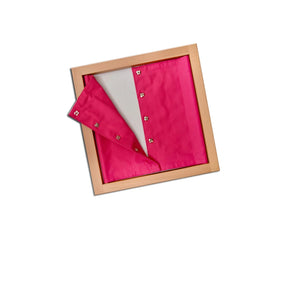
Activities like pouring water (with small jugs), sweeping crumbs (with a child-sized broom), or buttoning clothes can be done in a tiny corner or on a small mat. These skills build concentration and fine motor control without needing expansive areas.
Sensory Play
A small basin with rice, lentils, or sand (often found in Indian households) combined with scoops and small bowls offers rich sensory exploration. You can use a 'thali' or a large tray to contain the mess, making cleanup easy even in tight spaces.
Language & Cognitive Development
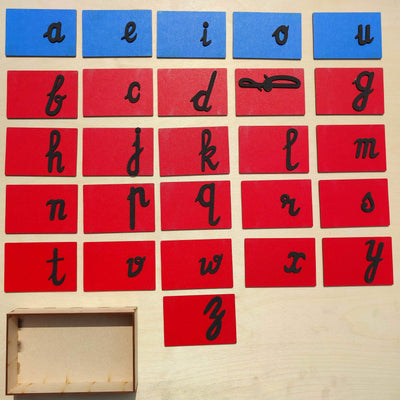
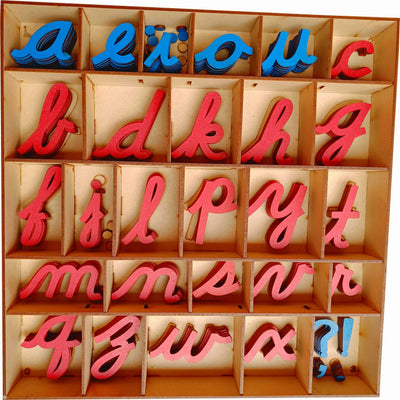
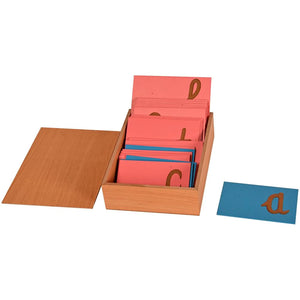
Materials like Montessori language materials such as sandpaper letters, movable alphabet, or matching cards are compact and powerful. They can be used at a small table or even on the floor with a mat, promoting literacy and cognitive skills crucial for early child development.
Key Takeaways for Montessori Toy Rotation
- Purposeful Selection: Choose 4-6 toys that support different developmental areas for your active shelf.
- Low & Accessible: Ensure the display shelf is at your child's eye level for independence.
- Observe & Rotate: Swap out toys based on your child's waning interest or mastery of skills.
- Utilise Vertical Space: Wall shelves and stackable bins are excellent for storing 'inactive' toys.
- Multi-functional Furniture: Invest in items that offer both use and storage.
- Involve the Family: Make toy organisation a collaborative effort, especially during cultural events.
- Adapt Activities: Many Montessori activities are inherently suitable for small spaces.
Frequently Asked Questions About Toy Rotation
How do I start Montessori toy rotation in a small home?
Begin by decluttering existing toys. Select 4-6 age-appropriate, engaging items to display on a low, open shelf. Store the rest in accessible, out-of-sight bins. Observe your child's engagement and swap toys as needed.
What kind of toys are best for Montessori rotation?
Opt for open-ended, natural materials that encourage problem-solving and sensory exploration. Wooden blocks, puzzles, practical life tools, simple art supplies, and realistic animal figurines are excellent choices over battery-operated toys.
How many toys should be on the shelf at one time?
Generally, 4 to 6 carefully chosen items are ideal. This limited selection helps prevent overstimulation and encourages deeper concentration, allowing your child to fully explore and master each material before moving on.
Can I use existing furniture for a Montessori shelf?
Absolutely! Look for low bookcases, TV units, or even sturdy, open crates that can be repurposed. The key is ensuring the shelf is at your child's eye level, stable, and allows easy access to the materials without adult help.
How can I make space for Montessori activities in a small Indian apartment?
Utilise vertical space with wall shelves, choose multi-functional furniture with hidden storage, and embrace compact activities like practical life skills on a tray. A dedicated small mat can define a play area even in the busiest of rooms.
Embracing Montessori principles in an Indian home, regardless of its size, is a journey of intentionality and love. By implementing smart rotation toy shelf ideas, you create a nurturing environment that fosters independence, concentration, and joy for your child. Discover a world of purposeful play materials at SkilloToys.com.