Screen-Free Evenings: Montessori Play for Indian Kids
Evening in an Indian home is a special time. The aroma of dinner wafts, sounds of conversation fill the air, and perhaps the soothing hum of a fan. For many parents in Bengaluru and across India, it's also a time when the question arises: how do we create enriching, screen-free evenings? Montessori alternatives offer a beautiful pathway to fostering connection, calm, and purposeful play, ensuring your little ones aged 0–6 years truly thrive without digital distractions. These activities are designed to engage and delight, turning ordinary evenings into extraordinary learning opportunities.
What exactly are Montessori screen-free alternatives? These are purposeful activities rooted in Dr. Maria Montessori's philosophy, focusing on self-directed learning and practical life skills. Instead of passive screen consumption, children engage with their environment through hands-on tasks that develop concentration, fine motor skills, and independence. This approach works wonderfully because it respects the child's innate drive to learn and contribute, making evenings a time of joyful discovery rather than a battle against screens. Parents can easily implement these by setting up a 'prepared environment' at home, offering choices that cater to their child's current developmental stage.
Creating a Prepared Environment for Calm Evenings
The foundation of successful Montessori at home India lies in the prepared environment. This doesn't mean a grand setup; it means thoughtful organisation. Designate a small, accessible space where your child's activities and Montessori learning materials are neatly arranged on low shelves or a mat. This empowers them to choose their own work, fostering autonomy and a sense of ownership over their play. Consider using natural materials and ensuring everything has a 'home' for easy clean-up, which is an activity in itself!
Practical Life Activities: Everyday Joys for Indian Children
Practical life activities are the heart of Montessori and perfectly suit the rhythms of an Indian household. Imagine your child pouring water from a small jug into a glass, wiping up spills with a cloth, or even helping sort different kinds of lentils for dinner. These simple tasks build incredible concentration, coordination, and a sense of contribution. For a 1-3 year old, learning to peel a boiled potato or stringing large wooden beads can be deeply satisfying and a wonderful alternative to screens.
These activities are not just chores; they are exercises in developing independence and fine motor skills. Think about helping to set the dinner table with unbreakable plates, sweeping up crumbs with a child-sized broom, or even arranging fresh flowers in a small vase from the garden. Such involvement makes children feel valued and competent, transforming routine tasks into meaningful learning.
Engaging Sensory Play for Deeper Learning
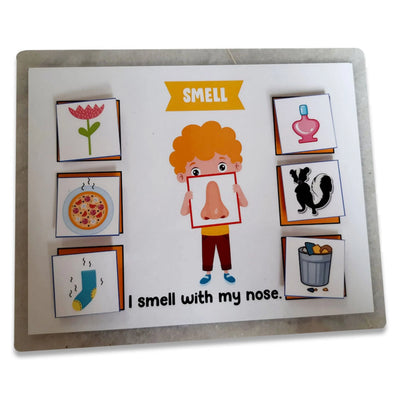
Sensory exploration is another cornerstone of Montessori, providing rich experiences that stimulate multiple senses. For educational toys for toddlers, a tray with different textured fabrics – a soft silk scarf, a rough jute piece, or a smooth cotton – can be captivating. Children learn about their world by touching, feeling, and exploring with their hands, an essential part of child development India.
Nature's Classroom: Bringing the Outdoors In
Evenings can be a wonderful time to connect with nature, even if it's just indoors. Collect leaves, pebbles, or small flowers during a daytime walk. In the evening, your child can sort them by size, colour, or texture. A simple 'mystery bag' filled with objects like a tulsi leaf, a smooth river stone, or a wooden block can encourage tactile exploration and language development as they describe what they feel. This also nurtures a love for the environment.
Language-Rich Activities: Stories and Sounds
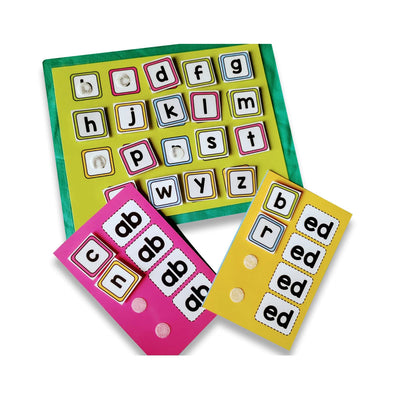
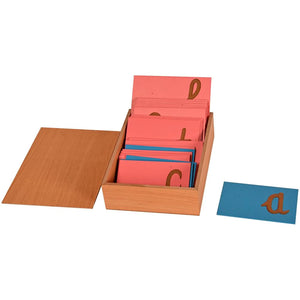
Montessori is inherently language-rich. Evenings are perfect for shared stories, rhymes, and conversations. Instead of passive screen time, engage with picture books, encouraging your child to describe what they see. For older preschoolers (3-6 years), activity kits like those featuring sandpaper letters or a movable alphabet can introduce phonetic sounds in a playful, tactile way, laying foundations for reading and writing.
Reading aloud isn't just entertainment; it's a vital connection point. Choose books that reflect Indian culture and values, fostering a sense of identity and belonging. Point to words as you read, ask open-ended questions about the story, and encourage your child to retell it in their own words. This strengthens vocabulary and comprehension skills naturally.
Incorporating Traditional Indian Play
Montessori principles blend beautifully with traditional Indian games and activities, especially in joint family settings where grandparents often share wisdom. Simple board games, carrom for older children, or even traditional string games can be engaging screen-free options. Storytelling, a cherished Indian tradition, is an excellent way to pass down cultural narratives and foster imagination.
The Role of Grandparents in Screen-Free Evenings
Grandparents often play a significant role in Indian families, and their involvement can be a huge asset for screen-free evenings. They can share folk tales, teach simple crafts like making rangoli patterns with coloured sand or flower petals, or engage children in traditional songs and prayers. Their presence offers unique intergenerational learning and a comforting sense of belonging, enriching a child's understanding of their heritage.
Embracing the Calm: Mindful Moments
Montessori encourages mindfulness and a calm environment. As the evening winds down, quiet activities like drawing, working with playdough, or simply observing the stars from a window can be deeply settling. Creating a peaceful bedtime routine that avoids screens at least an hour before sleep significantly improves sleep quality and overall well-being.
Remember, the goal isn't perfection, but consistency and presence. Every step you take towards screen-free evenings builds a stronger foundation for your child's holistic development. It's about nurturing their curiosity, independence, and connection with the real world around them.
Embracing screen-free evenings with Montessori alternatives is a gift you give your child – the gift of focused attention, hands-on learning, and meaningful connection. Explore our range of thoughtfully curated Montessori learning activities at SkilloToys.com to support these enriching experiences, making every evening a journey of discovery for your little ones.