Screen Time & Child Brain Development in India: Surprising Facts
In bustling Indian homes, from lively joint families to cosy apartments, the glow of a screen is an increasingly common sight for our little ones. We often wonder, with a mix of curiosity and concern, about the actual impact of this digital presence. Today, we're uncovering the surprising truth about screen time and child brain development in India for our precious 0-6 year olds, drawing insights from the wisdom of Montessori principles.
What exactly is 'screen time' for a young child? It refers to the time children spend watching or interacting with digital devices like televisions, smartphones, tablets, or computers. For toddlers and preschoolers, this often means passive viewing of cartoons or apps. The crucial difference from Montessori's perspective is that this is typically a one-way experience, lacking the hands-on, multi-sensory engagement vital for robust early childhood development.
The Unfolding Brain: Why Every Moment Matters
From birth to six years, a child's brain is a phenomenal sponge, forming over a million new neural connections every second! Maria Montessori famously called this period 'the absorbent mind,' a time when children learn effortlessly from their environment through all five senses. For Indian parents exploring or practising Montessori at home, understanding this profound period is key.
Excessive screen exposure during these formative years can potentially redirect valuable brain energy away from developing crucial skills like language acquisition through real conversations, problem-solving through tangible exploration, and social-emotional regulation learned in human interactions. It's not about prohibition, but about conscious choice and balance.
Active Engagement vs. Passive Viewing
Consider a child watching an animated story versus a child building with blocks or playing with water. One is a passive receiver of information; the other is an active participant, a creator, a problem-solver. Active, purposeful play is the engine of a child’s development. This works because it involves direct sensory input, fine and gross motor skills, and often, social interaction. Parents can foster this by offering a rich, prepared environment with plenty of opportunities for hands-on exploration using educational toys for toddlers that invite engagement.
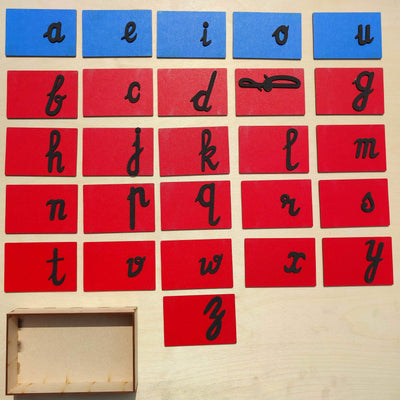
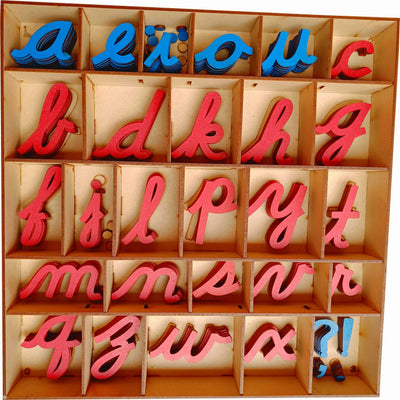
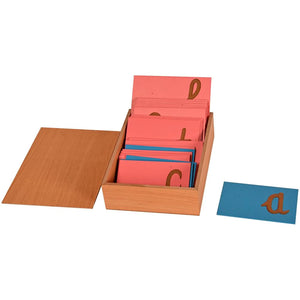
The rich sensory input of touching a sand-filled tray, arranging a Pink Tower, or tracing sandpaper letters, builds foundational pathways in the brain. These activities stimulate curiosity, concentration, and coordination – skills that screens often bypass. You can find a wide range of these beneficial Montessori learning materials at SkilloToys.
Navigating Screens in the Indian Household
We understand that completely eliminating screens can feel daunting, especially in today's world. Grandparents might enjoy showing children videos, during festivals like Diwali or Holi, a special cartoon might be a treat, or parents might need a few minutes of quiet to manage household chores or work from a small apartment. The challenge lies in mindful integration, ensuring screens serve a purpose rather than becoming a primary source of stimulation.
For those practising Montessori at home India, the focus is on creating an environment that naturally draws the child to productive, self-directed activity. This doesn't mean a sterile, screen-free zone, but rather an environment so rich with engaging alternatives that screens become less appealing over time.
Montessori-Inspired Alternatives for Brain Development
Instead of reaching for a device, consider these powerful alternatives that nurture comprehensive child development:
- Practical Life Activities: Involve your child in everyday tasks like sorting lentils, washing vegetables, or sweeping. These build concentration, coordination, and a sense of belonging.
- Sensory Play: Offer natural materials like water, sand, dough made with atta, or even local spices to explore textures, smells, and fine motor skills.
- Language-Rich Interactions: Read aloud from picture books, sing traditional lullabies (loris), or simply engage in conversations about daily happenings. This significantly boosts vocabulary and comprehension.
- Movement and Outdoor Exploration: Encourage climbing, running, and exploring local parks or even the balcony garden. Gross motor skills are vital for brain integration.
- Purposeful Toys: Provide open-ended materials like wooden blocks, puzzles, or simple tools that require active manipulation and imaginative play, rather than just passive observation.
The key is to be present and to provide opportunities for your child to engage with the real world, building a strong foundation for lifelong learning. It’s about quality, not just quantity, of interaction.
Key Takeaways for Indian Parents
- The first six years are crucial for child brain development, often referred to as 'the absorbent mind' by Maria Montessori.
- Excessive passive screen time can potentially hinder the development of essential skills like language, social interaction, and problem-solving.
- Active, hands-on learning, facilitated by a prepared Montessori environment, is superior for neurological development.
- Mindful integration of screens, rather than outright prohibition, is a realistic approach for Indian families.
- Montessori-inspired alternatives like practical life activities, sensory play, and rich language interactions are powerful tools to nurture young minds.
Frequently Asked Questions
How much screen time is considered acceptable for toddlers (1-3 years)?
For children aged 18-24 months, experts recommend very limited screen time, ideally with a parent present to interact and explain. For children 2-5 years, a maximum of one hour per day of high-quality, educational programming, co-viewed with a parent, is generally advised.
Does screen time affect a child's speech development?
Yes, excessive screen time, especially during infancy and toddlerhood, is linked to delayed speech and language development. Children learn language best through direct human interaction, hearing varied vocabulary, and participating in conversational back-and-forth.
What are practical Montessori alternatives to screens for a 4-year-old?
Practical alternatives include engaging in cooking or cleaning tasks (practical life), exploring nature outdoors, reading physical books, building with blocks, doing art activities with natural materials, or playing with puzzles and simple manipulatives like those found in Montessori learning materials.
Can screens be educational for young children?
While some apps and shows claim to be educational, research suggests that for children under 6, hands-on, real-world experiences are far more effective for learning. Screens offer two-dimensional learning, which cannot replicate the multi-sensory, three-dimensional engagement crucial for deep understanding and skill development.
Understanding the nuances of screen time empowers us to make conscious choices for our children. At SkilloToys.com, we believe in providing resources and tools that support holistic development, ensuring every child in India has the opportunity to thrive through active, purposeful learning.