Screen Time & Child Brain Development: What Indian Parents Need to Know
Namaste, fellow parents! In our bustling Indian homes, whether it's the comfort of a joint family or a cozy apartment in Bengaluru, screens have become an almost unavoidable part of daily life. From keeping toddlers entertained during a busy Diwali puja prep to a quick video call with grandparents abroad, we often wonder about the real impact of these glowing rectangles on our little ones. Today, we're diving into the surprising truth about screen time and child brain development in India, especially for our precious 0-6 year olds.
Child brain development during the crucial 0-6 year period refers to the rapid growth and formation of neural connections that lay the foundation for cognitive, emotional, social, and motor skills. This includes everything from language acquisition and problem-solving abilities to emotional regulation and coordination. It's a period of intense learning, primarily driven by sensory experiences and interaction with the physical world.
The Formative Years: Why 0-3 Needs Special Attention
The early years, particularly from birth to three, are a period of explosive brain growth, forming over a million new neural connections every second. Dr. Maria Montessori observed that children are "sensorial explorers" during this time, absorbing everything from their environment through touch, taste, smell, sight, and sound. Screen time, especially for infants and toddlers, often provides a two-dimensional, passive experience that doesn't engage the full range of senses vital for this foundational development.
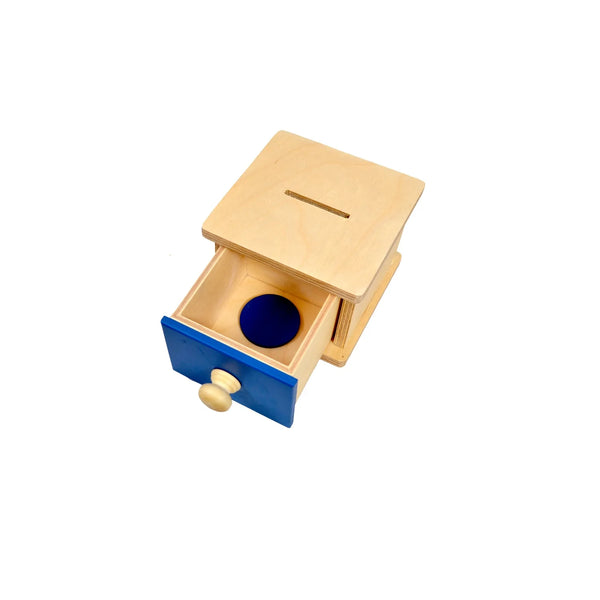
The American Academy of Pediatrics recommends zero screen time for children under 18-24 months, beyond video calls with family. This is because young brains learn best through hands-on interaction, manipulating real objects, and direct engagement with caregivers. In an Indian household, this means playing with traditional wooden toys, exploring the texture of a dal, or simply having a grandparent narrate a story, fostering strong language and cognitive skills.
Language & Social Skills: More Than Just Words
When children spend excessive time on screens, they miss out on critical back-and-forth conversations and non-verbal cues essential for language and social skill development. Montessori education strongly advocates for rich language environments, where children hear diverse vocabulary and engage in meaningful dialogue, like naming objects during a visit to the local sabzi mandi or discussing family photos. These interactions build a robust linguistic foundation far more effectively than passive screen exposure.
Active language acquisition is a complex process where a child learns by imitating, questioning, and engaging in real-time conversation. This works because human interaction provides immediate feedback, context, and emotional cues that screens cannot replicate. Parents can incorporate activities like reading aloud from physical books, narrating daily chores, and encouraging storytelling, which are wonderful Montessori learning activities at home.
Navigating Screens for 3-6 Year Olds: Quality Over Quantity
As children move into the 3-6 year age band, the conversation around screen time becomes a little more nuanced. While the primary mode of learning remains hands-on, limited and high-quality educational content, supervised and co-viewed with a parent, can sometimes supplement learning. However, the key lies in selecting truly interactive and age-appropriate content, and crucially, balancing it with ample time for open-ended play and exploration.
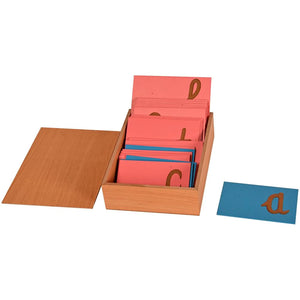
Think of it this way: Is your child passively watching a cartoon, or are they engaging with a Montessori-inspired app that encourages problem-solving and critical thinking, followed by a discussion with you? For educational toys for toddlers, physical manipulatives like the Pink Tower or Sandpaper Letters offer tangible, multi-sensory experiences that develop concentration and fine motor skills in a way screens simply cannot.
Montessori at Home: A Screen-Free Sanctuary (Mostly!)
Practising Montessori at home India offers a powerful framework for reducing screen time naturally. By creating a prepared environment with child-sized furniture and accessible, engaging materials, children are drawn to purposeful activity. This could mean involving them in preparing a simple chai, sweeping a corner of the room, or exploring textures with grains and pulses from the kitchen. These practical life skills foster independence, concentration, and a deep connection to their environment.
In many Indian homes, joint family setups offer a natural buffer against excessive screen time, as children have multiple caregivers and siblings to interact with. Even in smaller apartments, designated "activity zones" with simple, open-ended materials like blocks, puzzles, or art supplies can provide endless opportunities for creative, screen-free engagement.
The Surprising Truth: It's About Balance and Intent
So, what's the surprising truth? It's not that screens are inherently evil, but that their impact is profoundly shaped by the age of the child, the quality of the content, the duration of use, and crucially, the presence of an engaged adult. For young children, the brain thrives on real-world, multi-sensory experiences. While screens can offer convenience, they can't replicate the richness of building a fort with blankets, mixing colours with haldi, or learning to tie a shoelace.
Our role as parents is to be the conscious gatekeepers, prioritising active, purposeful engagement that fosters holistic development. Let's remember that the most valuable screen is often the one we turn off, allowing our children's innate curiosity and the vibrant world around them to be their primary teachers.
At SkilloToys.com, we believe in empowering Indian parents with thoughtfully designed Montessori educational toys that support natural child development, encouraging hands-on exploration and meaningful learning, right from your home.