Sensitive Periods in Child Development: What Every Parent Needs to Know
As parents in India, we often marvel at our children's seemingly sudden fascinations – one day they’re obsessed with lining up their shoes perfectly, the next they’re chattering away, mimicking every word you say. These aren't random quirks; they're profound windows of opportunity, scientifically known as sensitive periods in child development. Understanding these powerful, fleeting moments can transform how we support our little ones aged 0-6 years, making their learning journeys joyful and effortless.
So, what exactly are these 'sensitive periods'? Simply put, sensitive periods are temporary phases of intense concentration on specific aspects of the environment, during which a child shows an unusual aptitude and inner compulsion for acquiring particular skills or knowledge. This concept, championed by Dr. Maria Montessori, suggests that a child's mind is uniquely primed to absorb certain information or develop specific abilities with ease and joy during these times. This works because the child’s brain is literally wired for rapid acquisition in these specific domains. Parents can support this by observing their child's natural interests and providing a prepared environment that caters to these emerging needs.
Unpacking Sensitive Periods: A Montessori View
Maria Montessori identified several distinct sensitive periods, each with its own focus and duration, predominantly within the 0-6 age range. Recognising these helps us understand why a child might suddenly be drawn to certain activities, materials, or behaviours. It's like nature's way of telling us, "I'm ready to learn this now!"
The Sensitive Period for Order (Roughly 0-3 years)
Have you noticed your toddler insisting on the same routine for bedtime, or getting upset if a cushion isn't in its usual spot? This isn't naughtiness; it's the intense need for order. Children in this phase thrive on consistency and predictability, which helps them build a mental map of their world. In an Indian home, where spaces might be shared and things can get busy, establishing simple routines and designated spots for toys can bring immense comfort to a child.
The Sensitive Period for Language (Roughly 0-6 years)
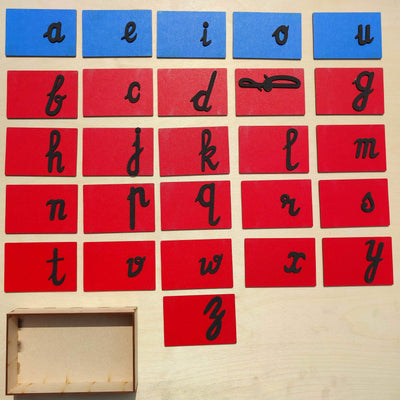
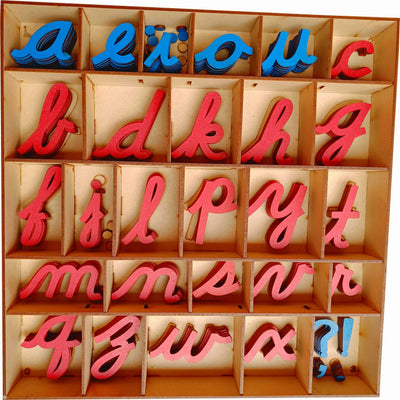
From cooing and babbling to forming complex sentences and understanding abstract ideas, language acquisition during these years is nothing short of miraculous. Children are like sponges, absorbing every sound, word, and grammatical structure around them. In our multi-lingual Indian families, children often effortlessly pick up several languages simultaneously. Engage them in conversations, read stories, and introduce rich vocabulary. Montessori language materials like the Movable Alphabet can be incredibly engaging for emergent readers.
The Sensitive Period for Small Objects & Refinement of Senses (Roughly 1-4 years)
Watch a toddler meticulously pick up tiny crumbs from the floor or gaze intently at a beetle. This fascination with minute details and the exploration through their senses is a powerful drive. They are refining their vision, touch, taste, smell, and hearing – crucial for developing fine motor skills and sensory discrimination. Offer them opportunities to sort pulses, explore textures of fabrics, or play with child-safe educational toys for toddlers that engage their senses, such as shape sorters or stacking rings. This also supports their overall child development India-wide.
The Sensitive Period for Movement (Roughly 0-6 years)
From the first wobbly steps to running, jumping, and intricate hand movements, children are driven to master their bodies. This period involves both gross motor skills (like climbing and balancing) and fine motor skills (like grasping and manipulating objects). Encourage free movement, provide safe spaces to explore, and involve them in simple household tasks like helping to dust or carry light groceries, which naturally refines their coordination.
Empowering Your Child During These Golden Windows
Understanding these sensitive periods allows us to become attuned observers rather than forceful instructors. For Montessori at home India, this means creating an environment that responds to your child's innate urges. This isn't about expensive setups but about thoughtful provisions.
Simple Montessori Activities for Indian Homes
- Practical Life: Involve your child in daily chores like sorting vegetables, washing fruits, or wiping spills. These everyday activities provide purposeful movement and develop concentration.
- Sensorial Exploration: Offer opportunities to explore different textures, smells, and tastes from your kitchen. Think haldi, jeera, and different dals for sensory play.
- Language Richness: Share stories from Indian mythology, sing traditional lullabies, and label objects in your home in both English and your regional language.
- Movement & Independence: Create child-friendly zones where they can access their toys, books, and even a small pitcher for pouring water themselves.
By offering freedom within limits and respecting their choices, we foster independence and a love for learning that lasts a lifetime. Choosing appropriate Montessori learning activities and materials that align with their current sensitive period is key to nurturing their natural development.
Key Takeaways
- Sensitive periods are temporary windows where children are highly receptive to acquiring specific skills or knowledge.
- Dr. Maria Montessori identified several key sensitive periods, including those for order, language, small objects, senses, and movement.
- Observing your child's intense interests helps identify their current sensitive period.
- Providing a prepared environment with relevant, engaging activities and materials supports natural development.
- Catering to sensitive periods fosters deep concentration, joy in learning, and independent skill acquisition.
What exactly are sensitive periods in child development?
Sensitive periods are specific, temporary phases during childhood when a child shows an intense, unconscious urge to absorb particular skills or knowledge from their environment with ease. They are crucial for foundational learning and development.
How can I identify my child's current sensitive period at home?
Observe your child closely. Look for repetitive behaviours, intense focus on specific activities (like sorting, carrying objects, or babbling), and an unusual attraction to certain aspects of their environment. Their sustained interest is your best clue.
What if I feel like I've 'missed' a sensitive period for my child?
While sensitive periods offer optimal learning windows, missing one doesn't mean permanent developmental delays. Children will eventually acquire skills, though it might require more conscious effort. Focus on providing rich experiences now, and remember every child's timeline is unique.
How do Montessori educational toys help with sensitive periods?
Montessori educational toys are specifically designed to cater to a child's developmental needs during various sensitive periods. They offer hands-on, self-correcting experiences that encourage concentration, fine motor skill development, sensory exploration, and language acquisition, aligning perfectly with a child's inner drive.
Can sensitive periods differ for children growing up in Indian families?
The fundamental biological sensitive periods are universal. However, the specific ways they manifest and the environmental support available might vary. For instance, children in multi-lingual Indian families might show heightened language acquisition, while involvement in traditional home activities can naturally support practical life skills.
Understanding these profound insights into child development is a powerful gift for every parent. At SkilloToys.com, we believe in empowering you with the knowledge and resources to nurture your child's incredible potential, offering a range of Montessori-inspired educational toys designed for Indian homes. Explore our collection today and embark on this beautiful journey of discovery with your little one.