Sensitive Periods in Child Development: What Indian Parents Need to Know
Watching your little one grow is a daily miracle, isn't it? If you've observed your child intensely focused on an activity for weeks, you've likely encountered sensitive periods in child development. Dr. Maria Montessori described these temporary, intense windows where a child is uniquely receptive to acquiring specific skills or knowledge.
What exactly are sensitive periods? They are concentrated, temporary periods when a child has an unusual sensitivity to certain environmental aspects. This works because the child’s brain is primed to absorb specific information or develop skills with ease and joy. Parents can observe these intense interests and provide a prepared environment that caters to these innate drives.
Understanding the Different Sensitive Periods
Order: The Foundation (Birth - 3 years)
Children (birth-3 years) have a profound need for order, thriving on routines and predictability. Even small changes can be unsettling, like a rearranged spice box. This sensitive period helps them build a mental framework for their world. In Indian homes, a dedicated space for their toddler's Montessori materials or consistent routines offer immense comfort.
Language: The World of Words (Birth - 6 years)
From gurgles to fluent conversations, children (birth-6 years) are language sponges, absorbing vocabulary and grammar effortlessly from their surroundings. Encourage conversations, read stories in local languages, and label objects around the house. Activities like using a movable alphabet leverage this innate drive for language development in India.
Movement: Mastering Their Body (Birth - 6 years)
A child's repeated climbing or trying to carry heavy items isn't mischief; it's their sensitive period for movement (birth-6 years). They are driven to perfect physical coordination, from walking to fine motor skills. Provide purposeful movement opportunities – let them help set the table or water plants. These practical life activities are central to Montessori learning activities and support development.
Sensory Refinement: Exploring the World (Birth - 5 years)
Little hands constantly explore, touching, tasting, smelling. This sensitive period (birth-5 years) refines senses, helping children differentiate textures, sounds, and tastes. Offer open-ended materials like sand, water, or safe kitchen ingredients for exploration. Sensory play, crucial for educational toys for toddlers, helps them make sense of their environment and encourages `child development India`.
Small Objects & Social Grace: Detail and Community (1.5 - 6 years)
Observe a child meticulously picking up tiny grains of rice or examining an ant. This intense focus on small objects (1.5-6 years) refines visual perception and concentration. Simultaneously, they learn social interactions and polite behaviour like 'namaste' or 'dhanyawad.' This sensitive period for social grace is vital for `child development India` in our close-knit communities. Model respectful behaviour and involve them in family routines.
Nurturing Sensitive Periods in Indian Homes
Acknowledging sensitive periods transforms parenting. View repeated actions as purposeful learning. Support this process, especially exploring `Montessori at home India`:
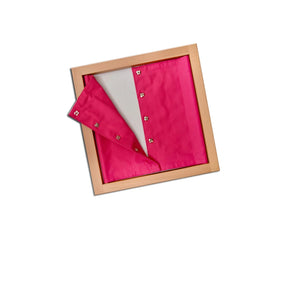
- Observe, Don't Interfere: Notice what captivates your child. Provide opportunities, e.g., pouring water or fasteners.
- Prepare the Environment: Create a child-friendly, organised space: low shelves, accessible toys, small table.
- Offer Purposeful Activities: Connect learning to daily life. Let them help with chores like sorting laundry or cleaning spills.
- Be Patient and Respectful: Acknowledge their focus, allow repetition, and avoid interrupting deep engagement.
- Embrace Simplicity: Use local, natural materials. Grandparents often provide 'real work' aligning with Montessori principles.
Key Takeaways for Parents
- Sensitive periods (0-6 years) are temporary windows for optimal skill and knowledge acquisition.
- Montessori identified key periods: Order, Language, Movement, Sensory Refinement, Small Objects/Social Grace.
- Recognise these to create a 'prepared environment' supporting natural learning.
- Observe what captivates your child and offer relevant activities.
- Montessori principles foster independence and nurture sensitive periods effectively.
- In India, integrate children into daily routines and use local materials to support development.
Frequently Asked Questions about Sensitive Periods
What is the most important sensitive period?
The Sensitive Period for Order (birth-3 years) is foundational. It provides security and predictability, helping a child build a mental framework for understanding their world.
How can I tell if my child is in a sensitive period?
Look for intense, sustained focus on a particular activity or object. Your child might repeat actions endlessly or show frustration if a routine is disrupted.
Do sensitive periods apply to all children?
Yes, sensitive periods are universal developmental phenomena across all children. While exact timing varies, the general sequence and nature are consistent.
Can I miss a sensitive period, and what happens if I do?
Missing a sensitive period doesn't mean a skill can never be learned. It simply means the child might work harder later, as the innate drive won't be as strong.
Are Montessori toys essential for sensitive periods?
Montessori toys are designed to cater to sensitive periods, offering purposeful learning. However, you can also use everyday household items and practical life activities.
Understanding sensitive periods empowers you to be a more attuned and effective guide for your child's learning journey. At SkilloToys.com, we believe in supporting this natural development with thoughtfully curated Montessori materials and educational toys that honour these innate drives, helping your child blossom at their own pace.