Smart Rotation Toy Shelf Ideas for Small Indian Homes
Navigating the vibrant chaos of an Indian home, especially with little ones, often means getting creative with space. From bustling joint families to cozy city apartments, finding room for everything can be a delightful challenge. But what if we told you that even in compact settings, you could cultivate a rich, stimulating environment for your child's growth? This is where thoughtful rotation toy shelf ideas come into play, offering a practical Montessori approach perfect for Indian homes with limited space.
So, what exactly is Montessori toy rotation? It's a mindful practice of presenting a limited selection of educational toys and materials to your child at any given time, then regularly swapping them out. This works because it prevents overstimulation, encourages deep concentration on the available items, and fosters independence by giving children clear choices without clutter. Parents implement this by having a "working" set of 4-6 toys on an accessible shelf and a "stored" set, rotating new items every 1-2 weeks based on the child's current interests and developmental stage.
Why Toy Rotation is a Game-Changer for Indian Homes
In the Montessori philosophy, less is often more. For Indian families, this approach aligns beautifully with our often multi-generational and space-conscious living. Toy rotation isn't just about tidiness; it's a powerful tool for Montessori learning activities that enhances focus, sparks creativity, and respects a child's natural learning pace.
When children have fewer toys, they engage more deeply with each item, exploring its possibilities thoroughly. This intense focus is crucial for child development India, fostering concentration and problem-solving skills from an early age. It also simplifies tidying, empowering young toddlers to maintain their play space.
Setting Up Your Montessori Toy Shelf in a Small Space
Creating a dedicated "yes" space doesn't require an extra room. Even a corner in the living room or a dedicated section of a bookshelf can work wonders. The key is accessibility and intentionality.
Choose the Right Furniture: Low, Open, and Sturdy
Opt for low, open shelves that your child can easily reach, empowering independence. Think simple, sturdy designs like a repurposed low console or stacking crates. Durability and ease of cleaning are key, reflecting practicality in Indian households.
Multi-functional furniture, like a low bench for wooden toys and seating, is ideal. In shared family spaces, ensure the shelf is in a safe, child-friendly zone, visible to family members.
Curate Your Collection: Quality Over Quantity
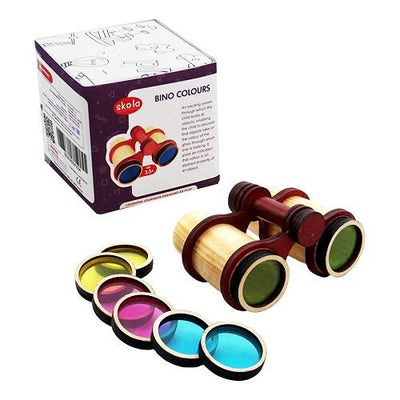
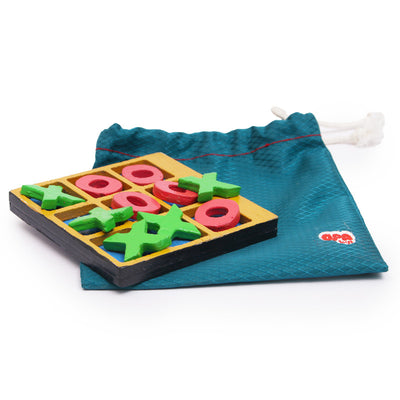
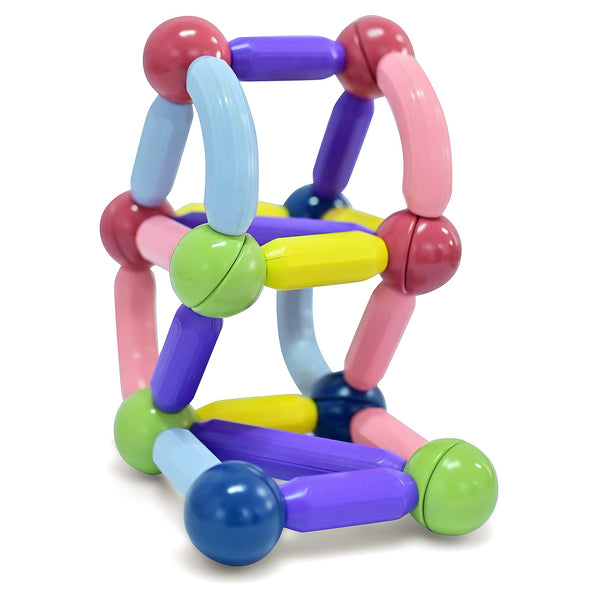
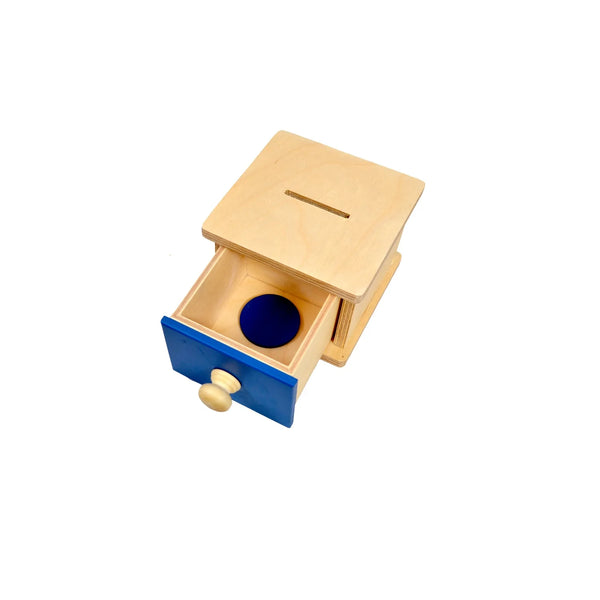
For each rotation, aim for 4-6 diverse items, such as a puzzle, stacking toy, practical life activity (like a small pouring set), a book, or building blocks. Offer variety for different developmental domains without overwhelming the child.
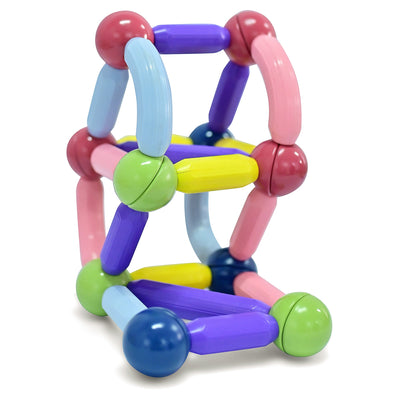
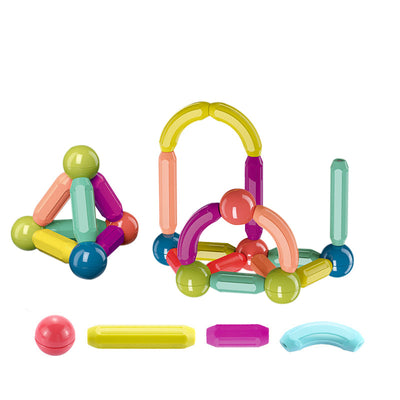
Think about toys that encourage open-ended exploration. A simple block set, for instance, can be used for building, counting, and imaginative play, evolving with your child's age. This mindful selection is vital for educational toys for toddlers.
Storing the "Rest": Out of Sight, Not Out of Mind
Store remaining items in opaque bins or cupboards out of immediate sight, building anticipation for new toys, keeping interest high and the primary play area clutter-free.
Utilise space-saving solutions like under-bed storage or compact fabric bins. Traditional Indian storage, like a safe wooden chest, can also elegantly house stored toys, blending with home aesthetics.
Practical Rotation Strategies for Indian Parents
Observe and Adapt: Your Child is the Best Guide
There's no strict schedule; observe your child's engagement. If they're losing interest or have mastered an activity, it's time for a refresh. This child-led approach is central to effective Montessori at home India.
Reintroducing a toy after a break can rekindle interest, offering the excitement of rediscovery. This teaches children adaptability and resourcefulness within their play.
Seasonal & Cultural Connections
Align rotations with Indian festivals or seasonal themes! During Diwali, include activities related to light or simple rangoli. For monsoon, a supervised water pouring activity can be delightful, adding a rich cultural layer to learning.
Integrate traditional Indian crafts or puzzles featuring familiar cultural elements. This makes the learning environment deeply relevant and engaging for your child, connecting play to their heritage.
Involving Grandparents and Family
Involve grandparents in toy rotation; they can offer wonderful ideas for activities using household items or stories. This collaborative approach enriches the child's environment and strengthens family bonds.
Explain the 'why' behind toy rotation to family. Understanding its benefits creates a harmonious, supportive learning space, even in shared areas.
Key Takeaways for Smart Toy Shelf Rotation
- Montessori toy rotation enhances child focus and independence, ideal for small Indian homes.
- Select low, open, and sturdy shelves to empower children with accessible choices.
- Curate 4-6 high-quality, diverse educational toys per rotation to prevent overwhelm.
- Observe your child's engagement to determine the best rotation schedule, typically every 1-2 weeks.
- Integrate cultural elements and involve family members for a richer, more connected learning experience.
Frequently Asked Questions About Toy Rotation
What is the ideal number of toys to keep on a rotation shelf?
For optimal focus and engagement, aim for 4-6 carefully selected Montessori-aligned toys or activities on the shelf at any given time. This range offers enough variety without overwhelming the child with too many choices, promoting deeper concentration.
How often should I rotate the toys on the shelf?
The frequency depends on your child's engagement and developmental stage. Generally, rotating toys every 1-2 weeks is a good starting point. However, observe if your child loses interest or masters a material sooner, and adjust accordingly.
Can I use everyday household items in my toy rotation?
Absolutely! Montessori principles encourage practical life activities. Items like small pitchers for pouring water, sorting lentils, or simple art supplies can be wonderful additions to your rotation, fostering independence and fine motor skills.
What kind of shelf is best for toy rotation in a small apartment?
In small Indian apartments, look for low, open, and sturdy shelves that are easily accessible to your child. Multi-functional furniture like a low bench or even stackable crates can work well, maximizing space while providing an inviting display.
How do I involve other family members in the toy rotation process?
Communicate the benefits of toy rotation – increased focus, independence, and reduced clutter. Grandparents can be involved by helping select toys or suggesting activities, ensuring everyone supports the child's learning environment in shared spaces.
Embracing toy rotation is more than just an organizational hack; it's a way to foster independence, concentration, and a lifelong love for learning in your child, even within the most intimate of spaces. We at SkilloToys.com are here to support your Montessori journey with a curated selection of educational materials perfect for every Indian home.