Sparking Science Joy: Montessori Explorations for 3-6 Year Olds
Ever watched your little one stare intently at a raindrop tracing patterns on your window pane, or carefully inspect a ladybug crawling across a plant on your balcony? That's the budding scientist in them! For Indian parents embracing Montessori at home, nurturing this innate curiosity through early science explorations for Montessori homeschoolers aged 3 to 6 can be an incredibly rewarding journey. It's about opening their eyes to the wonders of the world, right from the comfort of your living room or a small apartment.
Montessori science is a method of fostering a child's natural curiosity and observation skills through hands-on engagement with the natural and physical world. This works because it aligns with Maria Montessori's understanding of the absorbent mind, allowing children to build their own knowledge experientially. Parents can provide a 'prepared environment' and gentle guidance, enabling self-directed discovery.
Nurturing Curiosity: Why Montessori Science Matters
Maria Montessori believed that children are born scientists, constantly observing, experimenting, and forming conclusions about their environment. For children aged 3 to 6, this period is critical for developing foundational cognitive skills. Montessori science goes beyond memorising facts; it cultivates a deep respect for nature and an understanding of interconnectedness, vital for holistic child development India aims for.
By engaging in practical, sensorial activities, children don't just learn about science; they do science. This hands-on approach allows them to grasp complex concepts intuitively, laying a robust foundation for future learning. It encourages critical thinking, problem-solving, and independence, skills that are invaluable in every aspect of life.
Creating a 'Prepared Environment' for Little Scientists
The beauty of Montessori at home lies in its adaptability. You don't need a large space or elaborate equipment to create an inviting science corner, even in a cozy Indian apartment. A low shelf or a designated tray with rotating materials is often enough. The key is to make materials accessible, tidy, and appealing, inviting your child to explore independently.
Consider bringing nature indoors. A small pot with a plant, a jar for collecting interesting leaves or stones from your evening walk, or a magnifying glass can be a wonderful start. In joint families, grandparents often have a wealth of traditional knowledge about plants and animals; encourage them to share stories and insights, enriching the child's learning. Explore authentic Montessori learning materials that complement these home-based explorations.
Simple Science Explorations for Your 3-6 Year Old
The best educational toys for toddlers and preschoolers are often those that spark curiosity and can be found around the house. Here are some engaging ideas for simple science explorations that require minimal setup:
Water Works: The Magic of Liquids
Water offers endless possibilities for discovery. Provide two small bowls, a sponge, and a pipette or dropper. Your child can transfer water from one bowl to another, observing how water behaves. Introduce concepts of floating and sinking with small objects like pebbles, leaves, or tiny plastic toys from your child's collection. This simple activity enhances concentration and fine motor skills.
You can also introduce colored water experiments using food coloring in transparent glasses. Ask your child what happens when red and yellow water mix. It's a delightful way to explore color theory and observation without any pressure.
Nature's Wonders: Exploring the Outdoors
Even a short walk in your neighbourhood park or a stroll through your garden (or balcony!) can turn into a science lesson. Collect leaves, flowers, or small twigs. Encourage your child to observe their textures, shapes, and colours. A magnifying glass can transform a tiny ant or a dewdrop into a world of wonder. Plant a few seeds in a small pot and watch them grow, discussing the cycle of life. This connects them to local flora and fauna.
For a fun activity, try leaf rubbings by placing a leaf under paper and rubbing a crayon over it. Discuss the 'veins' and 'patterns' on the leaves. This is a simple, effective way to appreciate the intricate details of nature.
Sensory Science: Touch, See, Hear, Smell
Engage all five senses in scientific exploration. Create 'mystery bags' with different natural objects (a stone, a feather, a cotton ball, a piece of fabric). Have your child reach in and describe what they feel without looking. This sharpens tactile discrimination. Sound jars, filled with different materials like rice, pulses, or beads, help children differentiate sounds.
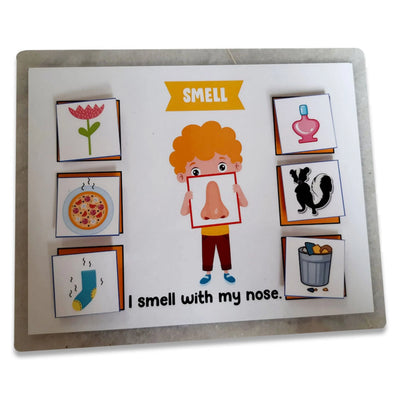
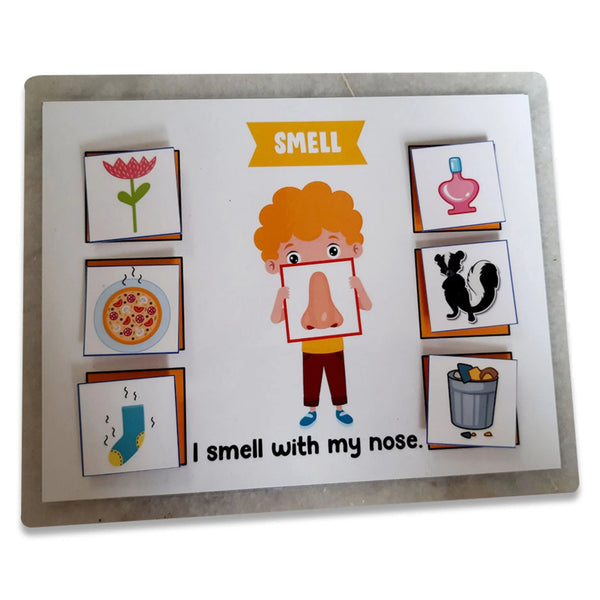
Explore different scents using safe, natural elements from your kitchen pantry – a pinch of cardamom, a sprig of mint, or a slice of lemon. Discuss how different things smell and what causes those scents.
Kitchen Chemistry: Everyday Experiments
Your kitchen is a natural laboratory! Simple experiments like mixing baking soda and vinegar to create fizz can be incredibly exciting. Discuss the reaction and why it happens. Making fresh butter from cream (by shaking it in a jar) is another fantastic way to observe a physical change and connect science to everyday cooking, a common sight in Indian homes.
Cooking and baking, in general, are wonderful science lessons, teaching about measurement, states of matter, and chemical reactions. Many activity kits also offer guided science experiments perfectly suited for this age group, providing all necessary materials in one place.
Guiding, Not Directing: The Montessori Way
Your role as a parent in these Montessori learning activities is to be a guide, not a lecturer. Present the material clearly, demonstrate how to use it, and then step back. Allow your child to explore at their own pace, make their own discoveries, and even make mistakes. These 'errors' are opportunities for learning and self-correction.
Observe your child's interests and follow their lead. If they are fascinated by insects, provide more resources on insects. If they love water, expand on water-related activities. This child-led approach fosters a genuine love for learning and empowers them to be active participants in their own education.
Embracing science explorations at home doesn't require complex setups; it simply needs an open mind and a willingness to see the world through your child's curious eyes. At SkilloToys.com, we believe in supporting this journey with high-quality, thoughtfully designed Montessori educational toys and resources that complement your homeschooling efforts. Happy exploring!