Start Montessori Homeschooling in India: A Beginner's Guide
Are you an Indian parent, perhaps in a bustling city like Bengaluru or a quiet town, curious about nurturing your child's growth at home? The idea of Montessori homeschooling in India is gaining beautiful momentum, offering a holistic approach that respects your child's unique pace and interests. It's less about strict schooling and more about creating an enriching environment right within your home, whether it's a cozy apartment or a multi-generational joint family setup.
So, what exactly is Montessori? It's an educational philosophy developed by Dr. Maria Montessori, focused on fostering a child's natural desire to learn. Rather than rote memorisation, Montessori encourages hands-on exploration, self-directed activity, and collaborative play, all within a 'prepared environment.' This works because children are inherently curious and capable; providing the right tools and freedom allows them to discover concepts independently. Parents can observe their child's interests and offer activities that align with their developmental stage.
Understanding the Montessori Philosophy for Your Indian Home
Before diving into materials, grasp the core of Montessori: respect for the child. This means observing your little one, understanding their current interests, and providing opportunities for independent discovery. In an Indian home, this might look like involving your child in daily chores – perhaps helping roll rotis, sorting lentils, or watering plants in the balcony garden – these are all wonderful practical life activities. It's about empowering them to be active participants in family life, just as Maria Montessori envisioned.
Setting Up Your Montessori Environment (No Fancy Classrooms Needed!)
You don't need a dedicated classroom. A 'prepared environment' can be a corner of your living room or a section of their bedroom. Focus on creating order, accessibility, and beauty. Child-sized furniture, low shelves, and a designated spot for each activity are key. Think about small chairs and tables where they can sit comfortably for a meal or an activity. Even in a small apartment, you can declutter and arrange things so materials are visible and inviting.
For instance, a small tray with a jug and glass for self-serving water teaches grace and courtesy, a fundamental aspect of Montessori. Many excellent practical life Montessori materials from SkilloToys can help you set up these inviting spaces, encouraging independence in everyday tasks.
Choosing Age-Appropriate Activities & Materials
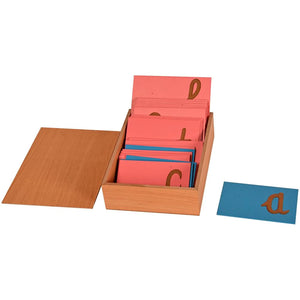
The beauty of Montessori lies in its carefully designed materials. For toddlers (0-3), focus on sensory exploration, gross motor skills, and practical life. Think about stacking toys, simple puzzles, and items for pouring and spooning. For preschoolers (3-6), introduce activities like sandpaper letters for language, the Pink Tower for sensorial development, or the Movable Alphabet. Remember, less is often more. Rotate materials based on your child's interests and developmental milestones, avoiding overwhelming them. Quality, durable educational toys for toddlers are an investment in their long-term learning.
Your Role as the 'Guide' in Montessori Homeschooling
In Montessori, you are the 'guide,' not the lecturer. Your primary role is to observe your child, prepare the environment, and demonstrate how to use materials. Once they understand, step back and allow them to explore independently. Resist the urge to interrupt or 'fix' their work. This fosters concentration and problem-solving skills. In many Indian homes, grandparents play a significant role; involving them in this philosophy can be wonderful, encouraging them to be patient observers and storytellers rather than always intervening.
Integrating Indian Culture and Festivals
Montessori at home in India offers a unique opportunity to blend the philosophy with our rich cultural heritage. Celebrate festivals like Diwali by letting your child help arrange diyas, or during Ganesh Chaturthi, involve them in simple decorations. Use local materials for crafts, teach them about Indian animals, or introduce traditional rhymes and stories. These Montessori learning activities not only connect them to their roots but also provide practical life experiences and sensory engagement, supporting holistic child development in India.
Overcoming Common Challenges & Staying Motivated
Starting any new journey comes with challenges. Space constraints in urban Indian apartments can be managed with clever organization and multi-functional furniture. Time management is crucial; even 15-20 minutes of focused Montessori activity daily is beneficial. Don't compare your journey to others; every child and family is unique. Connect with other Montessori parents online or in local communities for support and inspiration. Remember, the goal is not perfection, but progress in nurturing your child's development in India, one joyful step at a time.
Key Takeaways for Your Montessori Homeschooling Journey
- Montessori homeschooling in India focuses on child-led learning within a 'prepared environment.'
- You don't need a separate classroom; create an orderly, accessible space in your existing home.
- Prioritize observation over intervention; act as a guide, not a lecturer.
- Choose age-appropriate, high-quality materials, rotating them to maintain interest.
- Integrate Indian culture, festivals, and local activities into your Montessori practice.
- Embrace practical life skills by involving children in daily chores.
- Consistency and patience are key; focus on progress, not perfection.
Frequently Asked Questions About Montessori Homeschooling
Is Montessori homeschooling suitable for joint families in India?
Absolutely! Montessori principles like respect for the child and independent activity can thrive in joint families. Involve grandparents and other family members by explaining the philosophy, encouraging them to be patient observers and allowing the child freedom within limits.
What age is best to start Montessori at home in India?
You can begin Montessori principles from birth, focusing on sensory development and a prepared environment. However, many parents formally introduce activities around 18 months to 3 years, when children show more independence and a strong desire for practical life skills and early learning.
Do I need expensive Montessori materials to start?
While authentic Montessori materials are valuable, you don't need to buy everything at once. You can start with DIY materials using household items, natural resources, and carefully chosen, high-quality educational toys that align with Montessori principles, like those found at SkilloToys.
How can I manage Montessori activities in a small Indian apartment?
In a small apartment, focus on decluttering, multi-functional furniture, and vertical storage. Rotate materials regularly, store non-current ones, and utilize wall space. Create designated 'zones' even if they're small, ensuring each activity has its own accessible spot.
How do I know if my child is benefiting from Montessori homeschooling?
Look for signs of increased concentration, independence in daily tasks, a love for learning, improved problem-solving skills, and a sense of calm and order. Observation is key; you'll notice their self-confidence growing as they master new skills and explore their interests.
Embracing Montessori homeschooling in India is a journey of discovery for both you and your child. With patience, observation, and the right resources, you can cultivate a beautiful, nurturing learning environment at home. Explore our curated range of Montessori-inspired educational toys at SkilloToys.com to support your child's natural development every step of the way.