Start Montessori Homeschooling in India: Beginner Guide
Venturing into the world of homeschooling can feel like stepping onto a vast, uncharted landscape, especially when you're exploring methods like Montessori. For many Indian parents, the idea of creating a rich, child-led learning environment at home feels both exciting and a little daunting. But fret not! You've landed in the right place to understand how to start Montessori homeschooling in India, even if you're a complete beginner.
Montessori homeschooling is an approach rooted in Dr. Maria Montessori's philosophy, focusing on fostering a child's natural curiosity and independence through a 'prepared environment'. This works because children are inherently driven to learn and explore their surroundings. Parents can facilitate this by providing purposeful materials and respecting the child's innate drive for self-directed activity.
Setting Up Your Prepared Environment: Montessori at Home India
The cornerstone of Montessori education is the 'prepared environment'. This doesn't mean transforming your home into a classroom overnight, but rather thoughtfully arranging your living space to meet your child's developmental needs and promote independence.
Simplifying and Organising Your Space
Even in a small apartment in Bengaluru or a bustling joint family home, you can create a Montessori-friendly zone. Start by decluttering – less truly is more. Low, accessible shelves allow your child to choose their own activities, fostering a sense of ownership and autonomy. Think about child-sized furniture, like a small table and chair, where they can work comfortably.
Consider placing educational toys for toddlers and preschoolers on trays or in baskets, each containing a complete activity. This teaches order and concentration. For instance, a small tray with a jug and two glasses for pouring water, or a basket with blocks for building, helps them engage without being overwhelmed.
Curating Montessori Learning Materials
The materials are a crucial part of the prepared environment. While traditional Montessori schools use specific materials, you can adapt many concepts for home. Focus on materials that are self-correcting, allowing the child to discover errors themselves, and those that isolate one quality (e.g., colour, shape, size).
Start with Practical Life materials. These mimic daily tasks and are immensely satisfying for young children. Think pouring rice or dals, sweeping a small area, folding clothes, or washing fruits. Such activities not only build fine motor skills and concentration but also integrate your child into the rhythm of an Indian household. You can explore a wonderful selection of these on SkilloToys: Practical Life Montessori Materials.
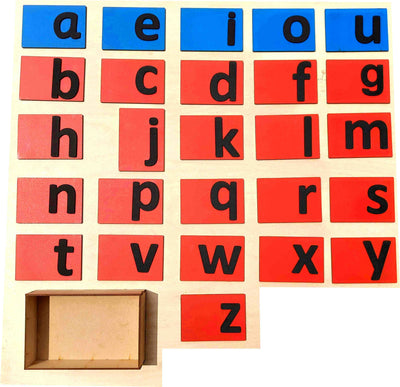
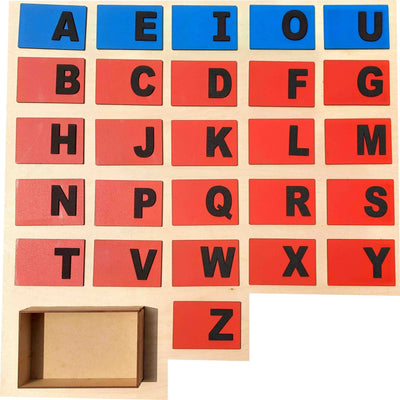
Next, introduce Sensorial materials. These help children refine their senses. Examples include the iconic Pink Tower for visual discrimination of size, or Sandpaper Letters for tactile exploration of letter shapes. Many such essential items can be found in our main collection: Montessori Method Learning Materials & Toys.
Understanding Your Child: The Absorbent Mind and Observation
Dr. Maria Montessori observed that children from birth to six years possess an 'absorbent mind' – they unconsciously absorb information from their environment like a sponge. This makes the quality of their surroundings incredibly important during these formative years for healthy child development in India.
The Power of Observation
As a Montessori parent, your primary role is not to teach, but to observe. Watch what your child is naturally drawn to, what challenges them, and what brings them joy. Does your toddler love sorting small objects? Are they fascinated by water? Are they mimicking you cooking? These observations guide you in preparing the next activity or refining their environment.
Respect your child's pace and choices. If they spend a long time repeating an activity, allow them. This repetition is crucial for mastery and concentration. Resist the urge to interrupt or direct unless absolutely necessary.
Integrating Montessori into Indian Family Life
Montessori principles blend beautifully with Indian culture, which often values respect for elders, community, and practical life skills. In a joint family setup, gently explaining the 'why' behind Montessori – fostering independence, concentration, and respect – can help grandparents and other family members support the approach.
Incorporate local elements into your Montessori learning activities. Sorting different types of Indian spices, grinding a small amount of cardamom with a mortar and pestle, or helping to prepare ingredients for a festival like Diwali or Holi can be fantastic practical life experiences. Use locally available natural materials like clay, seeds, or flowers for art and sensorial exploration.
Key Takeaways for Montessori Homeschooling in India
- Start Small and Simple: Begin by decluttering and creating a designated, accessible area for your child's activities.
- Prioritise Practical Life: These activities foster independence, concentration, and fine motor skills using everyday tasks.
- Observe Your Child: Their interests and developmental needs are your best guide for introducing new materials and activities.
- Embrace the Absorbent Mind: Recognise that children aged 0-6 are absorbing everything; create a rich, intentional environment.
- Integrate Indian Context: Use local materials, cultural practices, and family dynamics to enrich the learning experience.
- Focus on Independence: Allow your child to choose, work at their own pace, and correct their own errors.
Frequently Asked Questions About Montessori Homeschooling in India
Is Montessori homeschooling expensive in India?
Not necessarily! While specific Montessori materials can be an investment, you can start with many DIY practical life activities using household items. Focus on quality over quantity, and gradually build your collection of materials. SkilloToys offers durable, high-quality materials that are a worthwhile investment for long-term learning.
Can I do Montessori homeschooling in a small Indian apartment?
Absolutely! The key is organisation and intentionality. Focus on one activity at a time, rotate materials regularly, and utilise vertical space with low shelves. Even a corner of a room can be transformed into a stimulating 'prepared environment' for your child.
How do I explain Montessori to my family, especially grandparents?
Explain that Montessori is about fostering independence, respect, and a love for learning in your child. Show them how activities like helping with chores or making their own snack builds confidence and skills. Highlight how the method aligns with traditional Indian values of self-reliance and contributing to the family.
What are the best Montessori materials for toddlers (1-3 years)?
For toddlers, practical life activities are paramount: pouring, scooping, sweeping, dressing frames, and simple sorting. Sensorial materials like stacking rings, shape sorters, and early language materials like picture cards are also excellent for developing their senses and vocabulary. Always consider safety and non-toxic materials.
Starting your Montessori homeschooling journey in India is an incredibly rewarding path. It's about building a foundation for a lifelong love of learning, right within the comfort of your home. Remember, SkilloToys.com is here to support you with authentic, high-quality Montessori materials designed to nurture your child's potential.