Toddlers Learn Maths Through Objects, Not Just Numbers
As parents in bustling Indian homes, we often wonder how to best support our little ones' learning journeys. It's natural to think that teaching numbers means reciting 'ek, do, teen' or showing flashcards. But what if we told you that your toddlers learn maths through physical objects, not just abstract numbers, in a much deeper, more meaningful way? This Montessori insight changes everything about how we approach early mathematical concepts.
What is Concrete Learning in Early Math?
Concrete learning is a method where children grasp abstract concepts, like quantity or size, by interacting with tangible, physical objects. This works because a young child's brain is wired to understand the world through their senses—what they can see, touch, and manipulate. Parents can provide this foundation by offering opportunities for hands-on exploration with everyday items or specially designed Montessori mathematics materials.
Why Physical Objects Work Wonders for Toddlers
Imagine your child carefully lining up their colourful building blocks or helping you sort different types of lentils in the kitchen. They aren't just 'playing' or 'helping'; they are actively engaging in early mathematical thinking. These hands-on experiences help them understand one-to-one correspondence, comparison, and quantity long before they can recognise a numeral.
For a toddler, the concept of 'three' isn't an abstract symbol. It's three rotis on a plate, three little dolls in a row, or three pebbles they found in the garden. This tangible experience creates strong neural pathways, forming a solid base for understanding numerical values later on. It’s a foundational aspect of healthy child development India.
Montessori's Secret: Hands-On Mathematics at Home
Maria Montessori, with her keen observations of children, understood this innate learning style. She realised that children need to literally get their hands on mathematical ideas. This approach fosters a natural love for numbers, rather than a fear of abstract equations.
More Than Just Counting: Building Pre-Math Skills
Before a child can count meaningfully, they need to develop pre-math skills like sorting, grading, and comparing. Think of your child arranging their collection of bangles by size, or separating all the red fruits from the green ones. These simple Montessori learning activities help them understand categories, patterns, and attributes – crucial building blocks for advanced mathematical thinking. Even simple wooden toys like nesting cups or shape sorters offer these opportunities.
The Power of One-to-One Correspondence
One-to-one correspondence is the understanding that each item in a set corresponds to one, and only one, number word or concept. This is fundamental. When your toddler helps set the dinner table by placing one plate for each family member, or hands one treat to each grandparent, they are practicing this vital skill. It’s far more impactful than rote counting without understanding quantity.
Bringing Montessori Math to Your Indian Home
You don't need a dedicated classroom to implement these ideas. Your everyday Indian home is full of opportunities for hands-on math:
- Kitchen Fun: Let your child help count lentils into bowls, sort spices by colour, or count out chapatis for the family.
- Household Chores: Ask them to count the socks for laundry, sort clothes by family member, or arrange their toys into categories.
- Nature's Classroom: Collect pebbles, leaves, or flowers on a walk and encourage sorting, counting, and comparing them.
- Traditional Play: Using golis (marbles), seeds, or even small bangles for counting games can be incredibly engaging.
Grandparents often instinctively use these methods, passing down practical life skills that naturally embed mathematical understanding. This approach makes Montessori at home India both accessible and enriching.
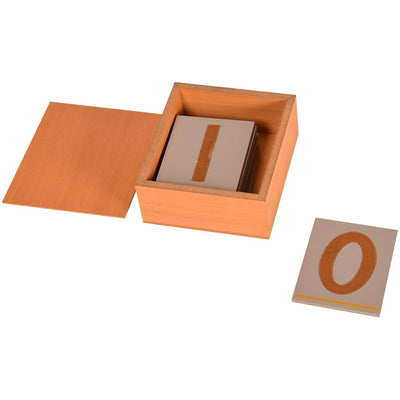
For more structured learning, Montessori mathematics materials like the Number Rods, Spindle Box, or colourful beads offer excellent ways to visualise quantity. These educational toys for toddlers are designed to isolate concepts, making them clearer and more engaging for young minds.
Key Takeaways for Early Math Development
- Toddlers grasp mathematical concepts best through hands-on interaction with physical objects, not just abstract numbers.
- Montessori education emphasises concrete experiences to build a strong foundation for future mathematical understanding.
- Pre-math skills like sorting, grading, and comparing are crucial and can be practiced using everyday items.
- One-to-one correspondence is fundamental; link each item to a single quantity concept.
- Integrate practical life activities and specially designed Montessori materials for effective learning at home.
Frequently Asked Questions
Why shouldn't I just teach my toddler numbers and counting?
While counting is good, simply reciting numbers without understanding the quantity they represent is rote memorisation. Focusing on physical objects helps toddlers internalise what 'three' truly means—three distinct items—before attaching a symbol to it.
What are some simple Montessori math activities I can do at home?
You can sort dry fruits, arrange vegetables by size, count spoons while setting the table, or categorise toys by colour. Any activity involving sorting, matching, or counting tangible items is beneficial.
Are Montessori math materials necessary for my child's development?
Montessori materials are excellent because they are designed to isolate concepts and are self-correcting. However, you can achieve much with everyday household items. The key is the intentionality of the activity, not just the specific material.
How does this approach help with future math skills?
By building a strong, concrete foundation, children develop an intuitive understanding of mathematical principles. This prevents common struggles later with abstract math, as they can always fall back on their tangible experiences to grasp new concepts.
What if my child prefers imaginative play over sorting?
That's perfectly normal! Incorporate math into their imaginative play. Ask them to count how many 'guests' are at their tea party or sort their toy animals by habitat. Learning should always be joyful and child-led.
Understanding how your little one truly learns math can transform your approach to early education. At SkilloToys.com, we believe in supporting this natural curiosity with thoughtfully designed Montessori educational toys that make learning an adventure, right here in India.