Why Montessori Classrooms Have No Desks in Rows
Walking into a Montessori classroom for the first time, many Indian parents are often struck by its unique setup. Where are the neat rows of desks we remember from our own schooling? This isn't an oversight; it's a fundamental design choice. The real reason Montessori classrooms have no desks in rows is rooted in a deep understanding of how children naturally learn and grow. It’s about fostering independence, freedom of movement, and deep concentration, moving far beyond the traditional notion of a child passively receiving information.
So, what exactly is Montessori? It is an educational approach developed by Dr. Maria Montessori, focused on empowering children to become self-directed, independent learners. This approach is built around the concept of a 'prepared environment' – a classroom or home space thoughtfully designed to meet a child's developmental needs. This works because it allows children to choose their activities, move freely, and learn at their own pace, fostering inner discipline and a genuine love for learning. Parents can observe their child’s natural curiosity flourish in such a setting, whether it's at a school or through Montessori at home India practices.
The Philosophy Behind the Open Space
The absence of traditional desks isn't just an aesthetic choice; it’s a direct reflection of core Montessori principles. Every element in a Montessori environment serves a purpose in supporting the child's natural development, from the low shelves to the child-sized furniture, and importantly, the freedom of movement.
Fostering Freedom of Movement and Choice
Imagine a toddler, full of energy and curiosity, confined to a small desk. It feels unnatural, doesn't it? Montessori understands that movement is crucial for learning, especially for children aged 0-6 years. Without desks in rows, children are free to move around the classroom, choose their work from accessible shelves, and settle down wherever they feel most comfortable – be it on a floor mat, at a small table, or in a quiet corner.
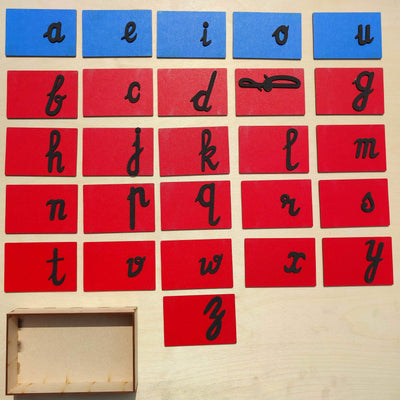
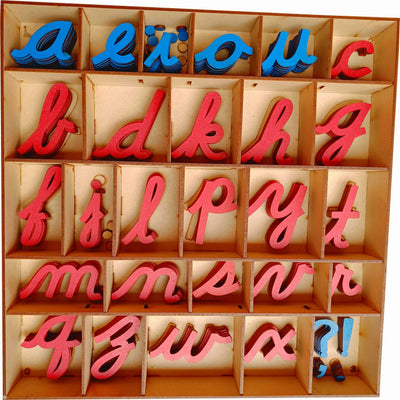
This freedom to choose and move cultivates a sense of agency. A child might spend time with the Sandpaper Letters on a mat, then transition to pouring water (a practical life activity) at a small table. This self-directed exploration supports their physical and cognitive development, allowing them to follow their inner guide.
Cultivating Concentration and Deep Work
While it might seem counterintuitive, an open classroom without desks can actually lead to deeper concentration. Maria Montessori observed that when children are truly engaged in meaningful work of their own choosing, they enter a state of deep focus. Rows of desks, on the other hand, can create a sense of being watched or distracted by what others are doing.
In a Montessori setting, children often work individually or in small groups on the floor, creating their own personal workspace. This allows them to immerse themselves fully in an activity, like carefully stacking the Pink Tower or sorting beads, without the subtle pressures of a highly structured, desk-bound environment.
Building Independence and Self-Discipline
The entire setup, free from restrictive desks, encourages children to take responsibility for their learning environment. They learn to retrieve their chosen materials, use them carefully, and then return them to their designated place for the next child. This process, repeated daily, instills a powerful sense of order, independence, and self-discipline from a very young age.
This autonomy is vital for `child development India`, preparing children not just for academics but for life itself. They learn to manage their time, space, and resources, skills that are invaluable in any setting, from a bustling joint family home to a future workplace.
Bringing Montessori Principles Home to India
For Indian parents exploring `Montessori learning activities` at home, the idea of a desk-free environment might seem challenging, especially in smaller apartments or multi-generational homes. However, the core philosophy can be beautifully adapted.
Adapting to Indian Homes: Creating Your Prepared Environment
You don't need a large space to implement Montessori principles. Think vertically with low, accessible shelves for your child's toys and materials. Designate specific 'work areas' using a simple mat on the floor – just like in a classroom. In many Indian homes, sitting on the floor is already a cultural norm for eating or socialising, making this transition quite natural for children and grandparents alike.
Even a small corner of the living room can become a magical prepared environment. The focus isn't on elaborate furniture but on accessibility and order. Consider how children naturally gravitate to the floor during family gatherings or festivals; this inherent comfort can be leveraged for learning too.
Practical Life Activities on the Floor
Many practical life activities, which are central to Montessori, are perfectly suited for floor-based work. Pouring grains, sweeping up spills, folding small clothes – these can all be done comfortably on a mat, fostering fine motor skills and concentration. These `educational toys for toddlers` are often simple, everyday items repurposed for learning.
Encourage your child to participate in daily household tasks. From helping to arrange flowers for pooja to sorting lentils, these real-life activities build essential skills and a sense of contribution within the family, all without the need for a formal desk.
Choosing the Right Educational Toys
When selecting `educational toys for toddlers` and preschoolers, look for items that support independent, hands-on learning, much like the materials in a Montessori classroom. SkilloToys offers a wide range of materials designed for floor-based or small-table work, encouraging exploration and skill development.
The beauty of Montessori materials lies in their self-correcting nature, allowing children to learn from their own discoveries. These materials, from simple puzzles to sensorial objects, empower children to learn actively, mirroring the freedom and focus encouraged by a desk-free environment.
Key Takeaways
- Montessori classrooms omit desks in rows to support natural child development.
- This design fosters freedom of movement, allowing children to choose activities and work where comfortable.
- The open environment promotes deep concentration and reduces external distractions.
- Children develop independence and self-discipline by managing their own materials and workspace.
- Montessori principles, including a 'prepared environment' and floor-based activities, are easily adaptable to Indian homes.
- Everyday practical life activities and purpose-designed educational toys support this learning style.
Frequently Asked Questions
Why are Montessori classrooms called 'prepared environments'?
A 'prepared environment' is a carefully designed space that supports a child's independence, exploration, and learning. Every element, from the layout to the accessible materials, is intentionally chosen to meet the developmental needs of the children within it, fostering self-direction.
Do Montessori children ever sit at tables?
Yes, Montessori children do use tables! While rows of desks are absent, small, child-sized tables and chairs are available for activities that are best performed on a flat surface, such as art projects, puzzles, or group work. The key is choice and flexibility, not strict adherence to a single setup.
How can I create a desk-free Montessori space in a small Indian home?
Focus on low, open shelves for easy access to materials and designate a clear 'work area' using a mat or rug on the floor. Rotate materials regularly to maintain interest and avoid clutter. Embrace vertical storage and involve your child in keeping their space tidy, even in a small area.
What are some examples of Montessori learning activities for toddlers?
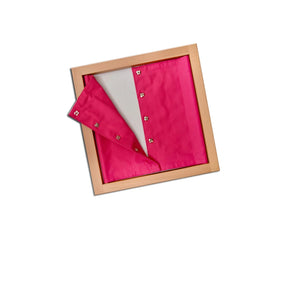
For toddlers, practical life activities like pouring water, spooning grains, buttoning frames, or washing small objects are excellent. Sensorial activities like the cylinder blocks or stacking rings also develop fine motor skills and concentration. Look for open-ended `educational toys for toddlers` that encourage hands-on exploration.
Understanding the thought behind Montessori classroom design can truly transform how we view learning, both in schools and at home. At SkilloToys.com, we believe in empowering your child's natural curiosity with carefully curated educational toys and materials that align with these powerful principles, bringing the magic of Montessori right to your doorstep.