Why Montessori Classrooms Have No Desks in Rows
When we picture a classroom, the image of neat rows of desks often comes to mind, a standard sight in many Indian schools from Bengaluru to Bhopal. But step into a Montessori environment, and you'll immediately notice something strikingly different: no desks in rows. This isn't an oversight or a modern trend; it's a foundational element of the Montessori philosophy, designed to nurture a child's natural development and independence. Understanding the real reason Montessori classrooms have no desks in rows can transform how we view learning, even in our own homes.
So, what exactly is a Montessori classroom without desks in rows? At its core, it's a prepared environment where children have the freedom to move, choose their activities, and learn at their own pace. Instead of being confined to a fixed spot, children can work individually on floor mats, at small tables with peers, or even in quiet corners. This setup is a direct reflection of Dr. Maria Montessori's profound observations of children, recognizing their innate drive for self-construction and exploration.
Freedom of Movement: A Child's First Teacher
Imagine a toddler at home, constantly exploring, crawling, and touching everything. Restricting this natural urge for movement can stifle their curiosity. The absence of traditional desks in a Montessori classroom directly addresses this by allowing children the freedom to move. This freedom is crucial for physical development, coordination, and the integration of sensory experiences, essential components of educational toys for toddlers.
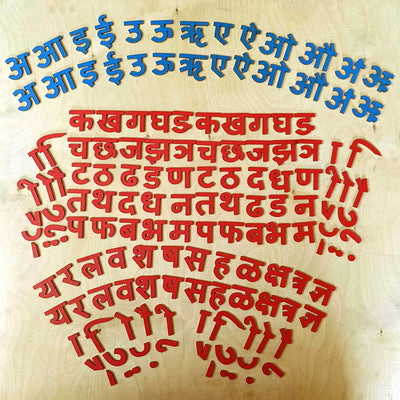
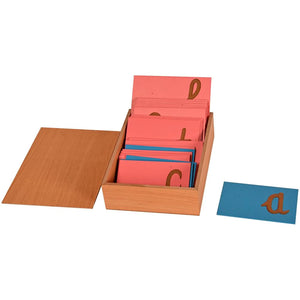
In Montessori, movement is intrinsically linked to learning. A child might carry a Pink Tower to their chosen workspace, or walk to the shelves to select Sandpaper Letters. This physical engagement helps to anchor concepts in their minds more deeply than passive listening. It's a stark contrast to a sedentary model, echoing the active play we see during festivals like Holi or Diwali where children are constantly on the move.
Nurturing Independence and Choice
One of the hallmarks of the Montessori method is fostering independence. When children are not assigned a specific desk, they learn to take responsibility for their learning space and materials. They choose what they want to work on, where they want to work, and for how long, within reasonable boundaries. This autonomy cultivates self-discipline and an internal locus of control.
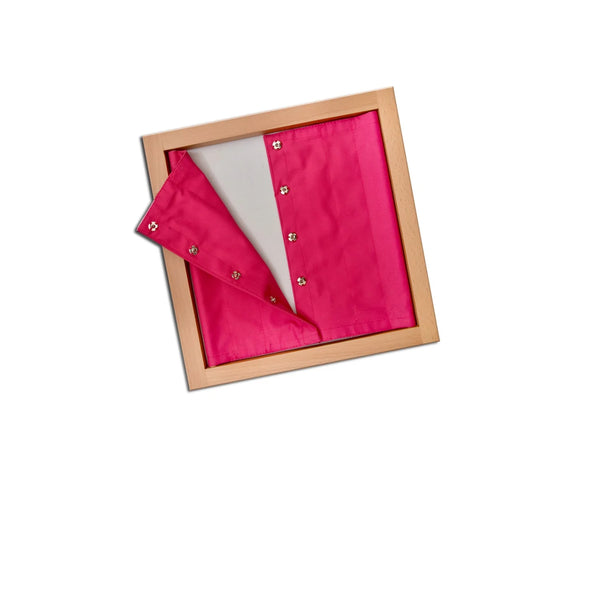
This freedom to choose is not chaos; it's structured choice within a carefully prepared environment. A child might spend a long period concentrating on a Practical Life activity, like pouring water or buttoning frames, at a small table, demonstrating deep focus. Parents exploring practical life materials for home can see how simple tasks build concentration and fine motor skills.
The Power of Collaboration and Community
Traditional rows often isolate children, limiting natural interaction. Without fixed desks, Montessori classrooms become dynamic spaces where children can easily work alongside each other, observe peers, and collaborate spontaneously. This encourages social development, empathy, and respectful communication, skills vital for life in diverse communities and joint families common across India.
A child might choose to work on the Movable Alphabet next to a friend, or help a younger child tidy up after an activity. These interactions are organic, teaching children how to negotiate, share space, and learn from one another—key aspects of healthy child development in India.
Respect for the Child: The Core Philosophy
At the heart of the "no desks in rows" approach is profound respect for the child as an individual. Dr. Montessori believed that children are not empty vessels to be filled, but active participants in their own learning. The classroom environment is designed to serve the child, not the other way around. This means furniture is child-sized, materials are accessible, and the flow of the room supports exploration.
This respectful environment empowers children to follow their inner guide, developing concentration, self-confidence, and a lifelong love for learning. It's about creating a space where a child feels valued and capable, much like a grandparent patiently guides a grandchild through a traditional art form or a family recipe, allowing them to participate fully.
Montessori at Home: Adapting the Principle
Even if you live in a compact Bengaluru apartment, the principles of a desk-free Montessori classroom can be adapted for Montessori at home India. Create designated "work areas" using small mats or low tables. Ensure Montessori learning materials are easily accessible on low shelves, allowing your child to choose and return them independently. This works because it fosters a sense of ownership and responsibility for their learning space. Parents can observe how a child's engagement deepens when they have control over their activities and environment.
By embracing the freedom of movement, choice, and collaborative spirit that the absence of desks in rows facilitates, we support holistic child development. SkilloToys.com is dedicated to providing high-quality, authentic Montessori materials and educational toys that help you bring these transformative principles into your family's daily life.