Cerebral Palsy Motor Skills: Montessori Support for Indian Kids
For Indian parents, the journey of supporting a child with Cerebral Palsy can be both challenging and incredibly rewarding. Understanding how to foster their growth, particularly in developing motor skills, is paramount. Integrating the cerebral palsy motor skills montessori approach offers a compassionate and effective framework, helping children build independence and confidence through tailored activities right in their own homes.
Cerebral Palsy is a group of permanent movement disorders that appear in early childhood, primarily affecting muscle tone, movement, and motor skills due to brain damage. This matters because early, consistent intervention can significantly improve a child's quality of life and functional abilities. Indian parents can integrate specific, adapted activities at home to foster development and independence.
The recent Nature article highlighting the clinical spectrum of Cerebral Palsy in Eastern India underscores the widespread impact of this condition. It reminds us that support systems and accessible development strategies are more vital than ever for families across the nation. The 'Right to Play' initiative by UNICEF further reinforces that every child, regardless of ability, deserves the joy and developmental benefits of play.
The Montessori Advantage for Cerebral Palsy Children in India
The Montessori philosophy, founded by Dr. Maria Montessori, is inherently child-centric, focusing on respecting the child's natural developmental pace and intrinsic motivation. For cerebral palsy children india, this means an approach that prioritises individual progress over comparative milestones, a crucial distinction in a society often focused on competitive achievements.
Research consistently shows that an individualized approach is most beneficial for children with diverse needs. Montessori's 'prepared environment' allows materials to be adapted, ensuring accessibility and promoting self-correction without adult intervention. This empowers a child, like a 5-year-old in a Bengaluru flat, to explore and learn without the pressure of constant performance, fostering a deeper sense of accomplishment.
Individualised Learning & The Prepared Environment
In a Montessori setting, activities are presented based on a child's readiness and interest, rather than age-based expectations. For a child with CP, this might mean modifying the grip on a pouring activity or using larger, easier-to-grasp materials for building. The prepared home environment becomes a carefully arranged space where every item has a purpose, is within reach, and encourages independence.
Think of simple adaptations: a low table for drawing, a sturdy stool for reaching the washbasin, or placing everyday items like their water bottle and snack box at an accessible height. These small changes, championed by child development experts, create opportunities for autonomy that are vital for motor skill development and self-esteem.
Nurturing Fine Motor Skills in Children with Cerebral Palsy
Developing fine motor skills cerebral palsy requires patience, repetition, and engaging activities. These are the small, precise movements of the hands and fingers, essential for daily tasks like eating, dressing, and writing. In the Indian context, many household chores offer excellent opportunities for development.
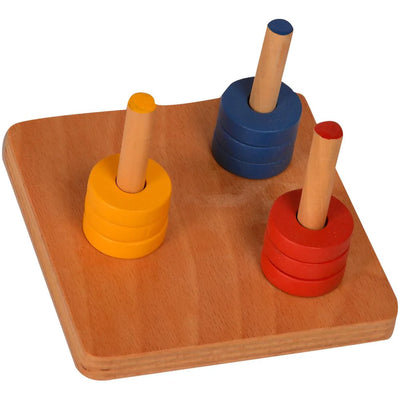
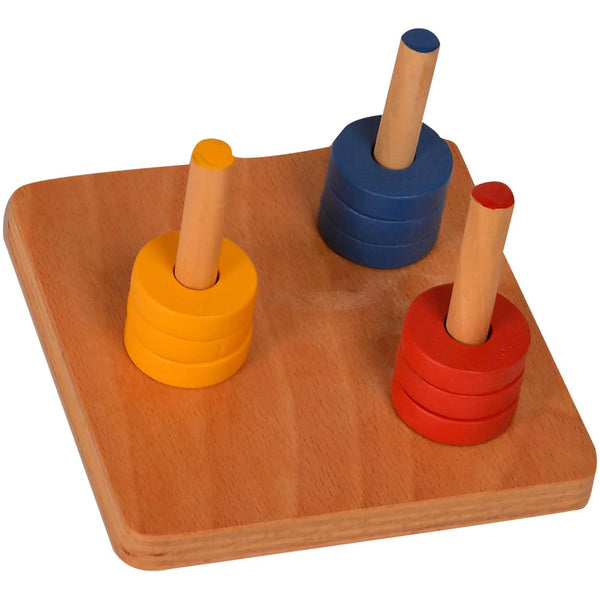
Consider simple activities: sorting lentils (dal) into different bowls, stringing large, wooden beads, or transferring water using small pitchers. For a child with limited grip, the handles can be widened with foam, or materials can be chosen for their tactile feedback. SkilloToys offers a wide range of fine motor skill toys, such as bead stringing sets with varied sizes and pouring activity kits, that can be adapted for easier handling.
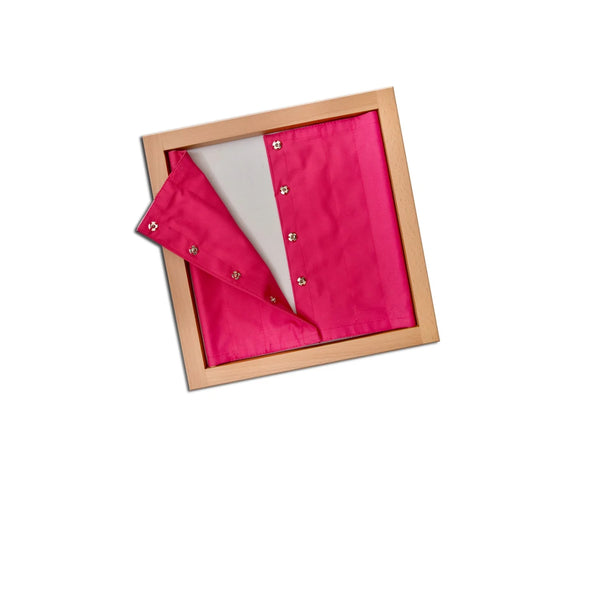
Even dressing themselves, like learning to button a kurta or tie a shoelace on traditional sandals, provides practical, culturally relevant fine motor practice. The satisfaction of achieving these everyday tasks independently, even with assistance, builds confidence far beyond the specific motor skill itself. It's about participation in family life, a core value in many Indian joint families.
Enhancing Gross Motor Skills for Children with Cerebral Palsy
Gross motor skills cerebral palsy refers to the larger movements involving the arms, legs, and torso, crucial for walking, sitting, and balancing. The Montessori approach encourages movement through purposeful activities, ensuring that every effort contributes to strength and coordination.
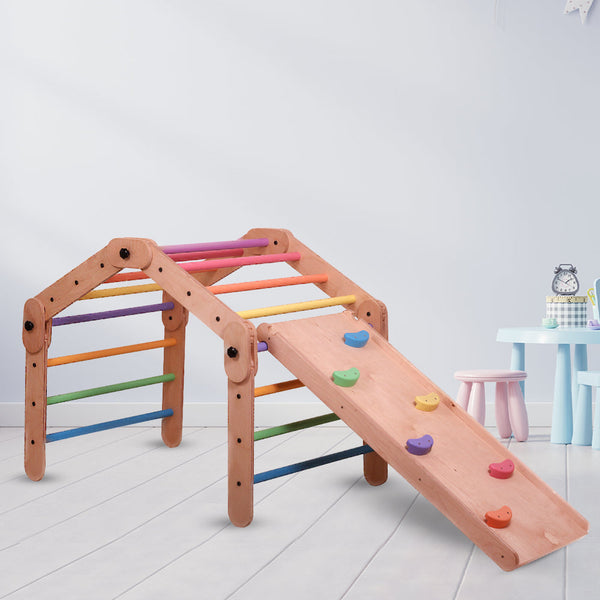
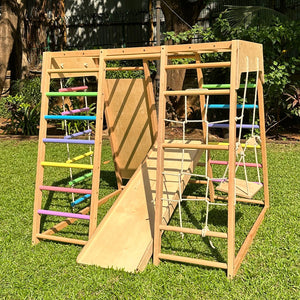
For children who need support with balance, a low, sturdy beam for walking practice or a small, stable climbing frame can be incredibly beneficial. These should be placed on a soft surface, like a rug, to ensure safety. Even simple games like rolling a large ball back and forth with a grandparent during playtime can provide valuable core strength and coordination practice.
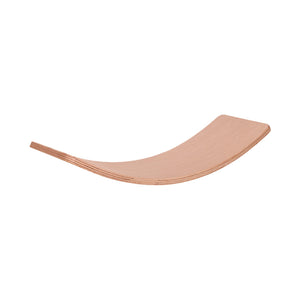
SkilloToys provides a collection of gross motor skill development toys that are designed for active, safe exploration. These include items like balance boards and tunnels that can be adapted to a child's specific needs and the space available in an Indian home, encouraging movement without feeling like strenuous therapy.
Choosing Educational Toys for Cerebral Palsy
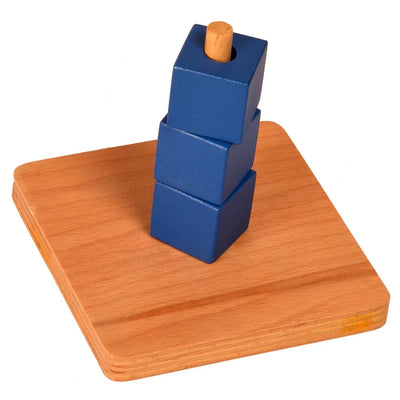
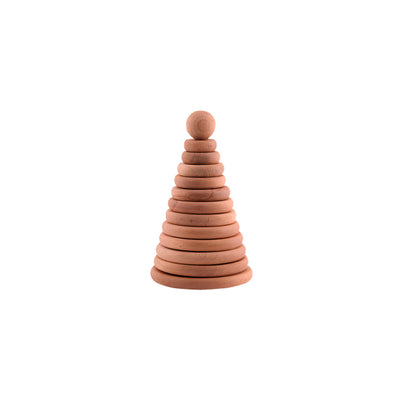
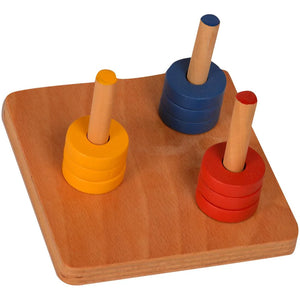
When selecting educational toys cerebral palsy, the focus should be on open-ended, self-correcting materials that encourage active engagement. Maria Montessori's original materials, like the Pink Tower or Knobbed Cylinders, often require minimal adaptation to be beneficial.
Look for toys that are sturdy, offer a good grip, have clear cause-and-effect, and can be used in multiple ways. Large wooden blocks, sorting trays, and tactile sensory bins (filled with rice, beans, or even Indian spices for aroma and texture exploration) are excellent choices. These help develop not just motor skills but also cognitive abilities, problem-solving, and sensory integration.
Remember, the goal is to find tools that resonate with the child's individual developmental stage and physical capabilities, offering just the right amount of challenge. Explore our Montessori method learning materials for inspiration.
Beyond Toys: Holistic Support for Cerebral Palsy Parents in India
The role of parents and the extended family is irreplaceable in supporting a child with Cerebral Palsy. Support for cerebral palsy parents extends beyond just activities; it involves creating a loving, understanding environment that celebrates every small victory. The Times of India's recent feature, '5 fun tricks to supercharge fine motor skills in your child,' underlines the shift towards making therapy playful and integrated into daily life.
Collaborating closely with physiotherapists, occupational therapists, and special educators is essential. Share your Montessori-inspired home activities with them, as this integrated approach often yields the best results. Grandparents, often central to Indian family life, can play a vital role in reinforcing activities and providing emotional support.
It is important to remember that progress may be slow, and patience is key. Focus on function and independence, celebrating a child's ability to participate in family rituals, whether it's helping prepare for Diwali by arranging small diyas or simply joining family prayers. These moments build invaluable social and emotional skills alongside motor development.
Empowering your child with Cerebral Palsy through a Montessori lens transforms daily challenges into meaningful learning opportunities. By creating a supportive, adapted home environment and integrating purposeful activities, Indian parents can significantly enhance their child's motor skills and overall quality of life. Start tonight by identifying one small area in your home that can be made more accessible, and observe your child's natural inclination to explore.