Motor Skill Assessment for Kids: A Montessori Guide
Understanding motor skill assessment for kids is crucial for every parent, especially in India where child development is increasingly a focus. This assessment systematically evaluates a child's ability to control and coordinate their body movements, including both fine and gross motor skills. Child development experts agree that early and continuous observation of these skills is vital for identifying progress and potential areas needing support, enabling parents to proactively foster healthy physical growth in their children.
Motor skill assessment is a process of evaluating a child's physical abilities, encompassing coordination, balance, and dexterity. This matters profoundly because it directly impacts a child's independence, academic readiness, and self-confidence. Indian parents can integrate purposeful play and a keen observational eye into daily routines, leveraging the rich home environment for continuous developmental insights.
Connecting Formal Assessments like MABC-2 with Montessori Principles
While formal tools like the MABC-2 test offer standardized psychometric evaluations, providing a snapshot of a child's motor performance, the Montessori approach offers a complementary, continuous method. The MABC-2, for instance, might assess manual dexterity through tasks like bead threading or peg placement. This formal evaluation is often used by specialists to identify Developmental Coordination Disorder (DCD) or other motor difficulties in children aged 3 to 16 years, as highlighted in research on psychometric evaluation in school-aged children. However, for everyday Indian parenting, continuous observation within a prepared environment, as advocated by Maria Montessori, provides invaluable insights.
Montessori's philosophy posits that children naturally reveal their developmental needs when given the freedom to interact with carefully designed materials. Instead of a single formal test, parents can observe how their child manipulates fine motor skill toys, balances during play, or uses their hands for practical life activities. This ongoing observation serves as a powerful form of child development evaluation, allowing parents to witness natural progress and respond to emerging needs organically, often before formal assessment is considered.
Montessori Observation: A Practical Approach to Physical Development Assessment
For Indian parents, Montessori observation motor skills is a powerful, accessible tool. It’s about more than just watching; it’s about understanding the 'why' behind a child's actions. For example, when 4-year-old Anya in a Bengaluru home struggles to button her kurta, a parent applying Montessori principles observes the specific difficulty — is it pincer grasp, bilateral coordination, or focus? This detailed observation informs targeted support, perhaps by introducing a dressing frame or puzzles that require similar finger dexterity.
Montessori emphasizes the 'prepared environment,' where toys and activities are within a child's reach and designed to encourage independent exploration. This includes simple, everyday tasks. A child helping their Dadi roll rotis, for instance, is naturally refining bilateral coordination and hand strength — essential fine motor skills. Similarly, fetching a glass of water refines gross motor coordination and balance. These daily interactions become spontaneous assessment opportunities.
Key Milestones and How to Observe Them in Indian Contexts
Observing motor skill milestones is a key part of physical development assessment. Research from institutions like the American Academy of Pediatrics indicates clear age-specific benchmarks, but it’s crucial to remember that every child develops at their own pace. For instance, an 18-month-old typically walks independently and stacks a few blocks. By 2-3 years, they might be running, jumping, and drawing basic shapes.
In an Indian home, these observations might look different. A toddler might be learning to climb stairs to reach the puja room, or navigating uneven garden paths. A preschooler might be helping sort spices in the kitchen, developing their pincer grasp, or participating in a vigorous game of "kho-kho" during a family gathering, which hones gross motor skills like running, dodging, and spatial awareness. UNICEF's 'It's Right to Play' initiative reinforces that play is not just leisure but a fundamental right and a powerful learning tool, especially for physical development.
Supporting Gross Motor Skills Through Active Play
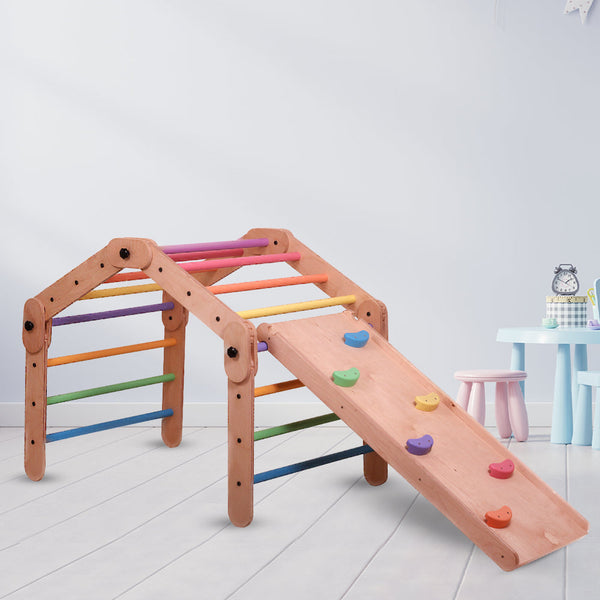
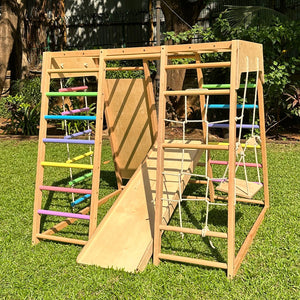
Gross motor skills involve large muscle movements, crucial for activities like walking, running, and balancing. In the Indian urban context, where outdoor space can be limited, creative solutions are vital. Encouraging active play indoors — setting up obstacle courses with cushions, playing 'catch-catch' with a soft ball, or even dancing to festive music — provides ample opportunity. Outdoor visits to parks for swings, slides, and climbing structures are invaluable. The satisfying exertion and laughter are indicators of healthy gross motor development.
Nurturing Fine Motor Skills with Purposeful Activities
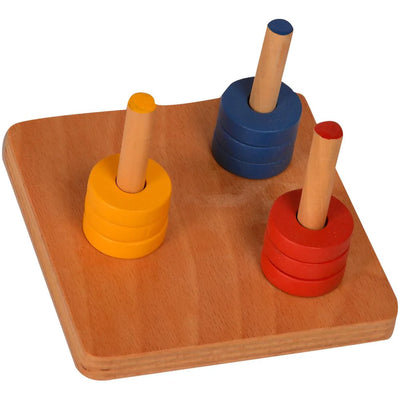
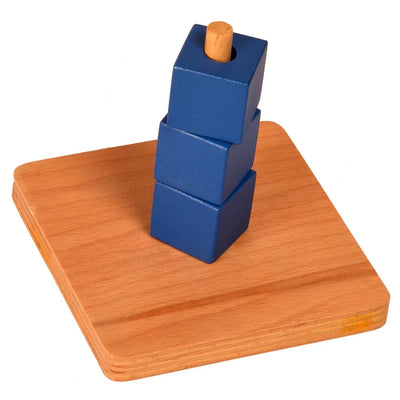
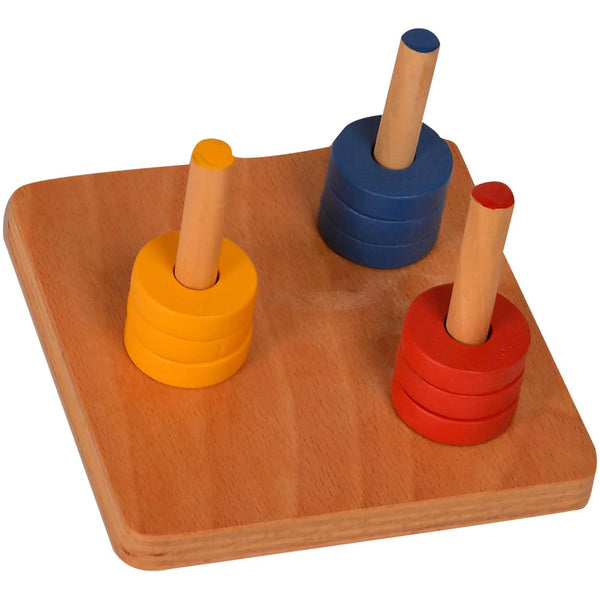
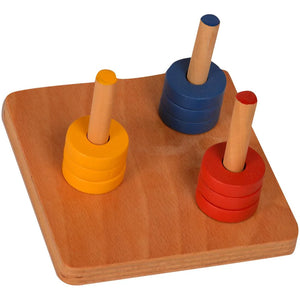
Fine motor skills, involving small muscle movements in the hands and fingers, are critical for writing, drawing, and self-care. Think of the 5 fun tricks to supercharge fine motor skills mentioned in The Times of India, and connect them to Montessori. Threading beads for a handmade rakhi, peeling chickpeas for a snack, or helping to knead dough are natural, culturally resonant ways to develop fine motor control. Providing quality Montessori learning materials, such as pegboards, lacing cards, and puzzles, also offers structured opportunities for refining these skills. Observe their focus, their grip, and the persistence with which they approach these tasks.
When to Seek Professional Guidance
While Montessori observation empowers parents to be their child's primary guide, knowing when to seek professional help is equally important. If you notice consistent delays across multiple motor skill areas, a lack of progress despite intervention, or significant frustration from your child, it’s time to consult a paediatrician or a developmental therapist. They can conduct formal assessments like the MABC-2 if needed, offering a clear diagnosis and tailored strategies. Remember, early intervention can make a significant difference in a child's developmental trajectory.
Ultimately, understanding motor skill assessment means being an attentive observer of your child's journey. By embracing Montessori's practical, child-centric approach within the vibrant Indian family structure, you provide a nurturing environment where every movement is a step towards greater independence and competence. Tonight, during dinner, observe how your child uses their spoon or picks up a small piece of food — these tiny actions are rich with developmental information.