Sensory Museum at Home: Montessori Play for 0-5 Year Olds
The recent news about India-Sage Williams and the Delaware Sensory Museum Inc. highlights a growing global appreciation for dedicated sensory spaces. For Indian parents, creating a meaningful sensory museum at home is entirely achievable, even within the bustling energy of a joint family or a compact city apartment. This guide will show you how to curate rich, Montessori-inspired sensory experiences that nurture your child's development from birth to five years, right in your own living space.
A Montessori-inspired sensory museum at home is a thoughtfully arranged collection of everyday objects and educational toys designed to stimulate a child's senses in a safe, self-directed environment. This matters because robust sensory input builds neural pathways crucial for learning, problem-solving, and emotional regulation. Indian parents can begin by transforming a corner of their home into an inviting space for exploration, fostering independence and curiosity from an early age.
Why Sensory Exploration is Crucial for Sensory Development 0-5 Years
From the moment a baby is born, their brain is a sponge, absorbing information through touch, sight, sound, taste, and smell. Child development experts agree that early sensory experiences are foundational for cognitive growth, language acquisition, and motor skill development. Research from the Harvard Center on the Developing Child emphasizes that responsive sensory interactions build the brain's architecture, creating robust connections that support all future learning.
Maria Montessori herself placed immense importance on sensory education, designing materials that isolate qualities like colour, shape, texture, and sound to refine a child's senses. She believed that a child learns best by doing, touching, and exploring their environment freely. This active engagement helps children understand the world around them, building a strong foundation for abstract concepts later on.
In India, we intuitively understand this through practices like the traditional 'malish' or oil massage by grandmothers. This isn't just a ritual; it's a profound form of proprioceptive and tactile input that aids in body awareness, relaxation, and self-regulation – insights now echoed by modern occupational therapists. Such practices highlight our inherent cultural wisdom in nurturing a child's sensory world, something a home sensory museum can amplify.
Designing Your Home Sensory Museum: Sensory Play Ideas at Home
Creating a sensory museum at home doesn't require a separate room; it demands intentionality. Think of small, accessible 'exhibits' that rotate regularly. For a 0-1 year old, this might be a soft fabric basket with different textured cloths – silk, cotton, wool – or natural wooden rattles that produce gentle sounds. For an infant, simply observing the gentle sway of a mobile or reaching for a soft plush toy provides valuable visual and tactile input.
For toddlers aged 1-3 years, you can introduce a 'sound exhibit' with different shakers made from small bottles filled with rice, lentils, or pebbles. A 'touch exhibit' could feature a tray with varying textures like smooth stones, rough sandpaper, or soft cotton balls. Even simple activities like sorting pulses (rajma, chana, moong dal) into bowls offers wonderful fine motor and tactile sensory engagement, familiar to any Indian kitchen.
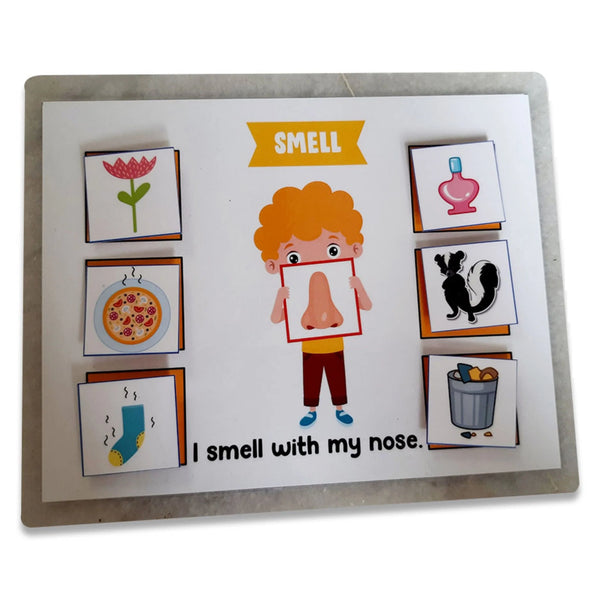
As children move towards 3-5 years, expand their sensory experiences with a 'smell exhibit' using small, labelled jars containing everyday Indian spices like cardamom, cinnamon, or star anise. A 'taste exhibit' (supervised, of course) could involve exploring different fruits and vegetables, focusing on their distinct textures and flavours. The goal is to offer purposeful, open-ended materials that invite exploration without instructions, fostering curiosity and independent discovery.
Curating "Sensory Exhibits" with Educational Toys for Sensory Development
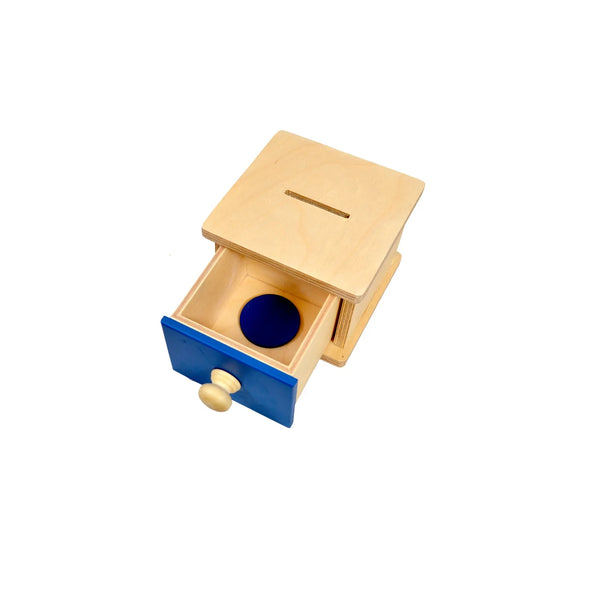
Montessori sensory toys are specifically designed to refine the senses and offer concrete learning experiences. Incorporating these into your home sensory museum provides structured yet child-led exploration. For instance, a set of activity kits focusing on pouring, scooping, or transferring helps develop fine motor skills and hand-eye coordination, which are deeply sensory experiences.
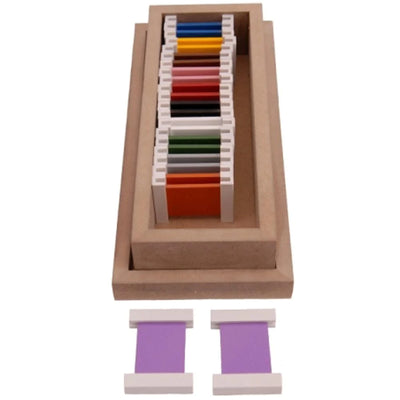
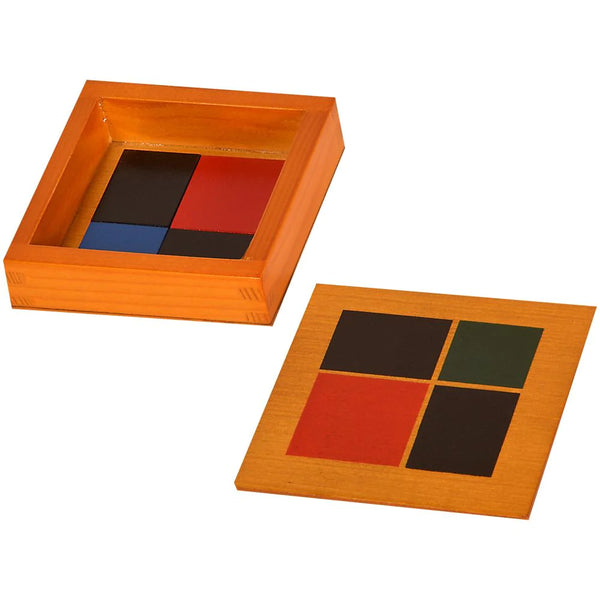
Consider creating a 'visual discrimination exhibit' with colour tablets or shape sorters that encourage children to differentiate between subtle variations. For tactile input, introduce items like the sandpaper letters or rough-and-smooth boards, which prepare children for writing and develop a refined sense of touch. These Montessori method learning materials are invaluable for targeted sensory development and can be presented beautifully on a small tray or shelf.
When presenting these educational toys for sensory development, remember the Montessori principle of 'prepared environment'. Arrange items neatly and attractively, inviting the child to choose and engage. For instance, a basket with different sized wooden blocks (a 'weight exhibit') encourages comparative exploration. The child learns through direct interaction, making discoveries about their world at their own pace.
Making it Work in an Indian Home
Many Indian homes, particularly in urban centres like Bengaluru, might have limited space. The beauty of a home sensory museum is its adaptability. It doesn't need to be a permanent installation. You can have a rotating 'sensory basket' or a small, low shelf in the living room or children's bedroom. Grandparents, who often play a vital role in Indian joint families, can be wonderful partners in curating these experiences, sharing traditional items and stories that enrich the sensory journey.
The core idea is purposeful play. Instead of just giving a child a toy, think about how that toy or object stimulates their senses and what learning it facilitates. Observe your child closely – what textures do they gravitate towards? What sounds capture their attention? This observation guides your choices, ensuring the sensory museum evolves with your child's interests and developmental needs.
By transforming everyday corners into intentional spaces for sensory exploration, you're not just providing entertainment; you're actively building your child's brain. You're giving them the tools to understand their world, one touch, sight, sound, smell, and taste at a time, preparing them for a lifetime of joyful learning. Start small, be consistent, and watch your child flourish.