Cultural Differences Motor Skills: Global Montessori View
The way children learn to move, grasp, and coordinate their bodies is not just biological; it's profoundly shaped by cultural differences motor skills acquisition. From the moment a baby is born, daily cultural practices, whether in a bustling Bengaluru apartment or a rural village, influence their physical development pathways. Research consistently shows that environments and interaction styles lead to diverse motor milestones across the globe, offering a valuable perspective for Indian parents.
What Are Motor Skills and Their Cultural Impact? Motor skills are the coordinated movements of our muscles, encompassing everything from crawling to writing. These skills matter because they enable independence and interaction with the world. Indian parents can empower their child's development by understanding that cultural nuances significantly influence the timing and expression of these vital movements.
Early Years: How Daily Life Shapes Gross Motor Skills
Child development experts agree that a child's earliest interactions and physical freedom lay the groundwork for gross motor skills. In many Indian homes, infants spend considerable time on the floor, engaging in unstructured play. This 'Right to Play' approach, championed by organizations like UNICEF, fosters natural exploration, encouraging movements like rolling, pushing up, and crawling in varied styles. This contrasts with cultures where babies might spend more time in carriers or bouncers.
Consider a child in a joint family in Chennai, who naturally learns to navigate around adults and furniture from an early age, developing spatial awareness and balance. Traditional oil massages, often given by grandmothers, also provide crucial proprioceptive input, strengthening muscles and improving body awareness. These practices inherently support the development of core strength and coordination, which are foundational gross motor skills. Studies, like those examining cultural differences in motor skills among Taiwanese children, indicate that local daily activities directly impact developmental benchmarks, underscoring the importance of context.
Fine Motor Development Across Cultures: The Hand-Eye Connection
Just as gross motor skills are shaped, cultural impact on motor skills is particularly evident in fine motor development. The intricate use of hands and fingers is often linked to culturally specific tasks. In India, for example, eating with hands is a common and cherished practice. This seemingly simple act demands advanced pincer grasp, hand-eye coordination, and sensory feedback – skills that Western children often acquire through cutlery use or structured play.
Activities like creating rangoli patterns during festivals, stringing beads for garlands, or even helping with simple chores like sorting pulses provide rich, natural learning experiences. These practices align beautifully with Montessori's emphasis on practical life skills, which directly refine fine motor control and concentration. For a young child in a Bengaluru household, carefully placing lentils into separate bowls during kitchen play is not just fun; it's a powerful lesson in precision and dexterity, supporting their fine motor skills.
The Montessori Way: Cultivating Cultural Sensitivity
Maria Montessori's philosophy, while universal in its recognition of the child's innate drive, is deeply adaptable to diverse contexts. Montessori cultural sensitivity means acknowledging that the 'prepared environment' should reflect the child's immediate cultural reality. This includes incorporating local materials, customs, and activities into their learning. Rather than imposing a single global standard, Montessori encourages observation of the individual child within their cultural landscape.
For Indian parents, this translates to valuing traditional play, art forms, and daily routines as valid and vital components of a Montessori-inspired upbringing. It's about empowering children through activities that are meaningful and familiar to them, fostering a strong sense of identity alongside physical competence. The essence is to meet the child where they are, culturally and developmentally.
Navigating Motor Development Variations for Indian Parents
In a world often driven by comparisons, understanding motor development variations across cultures offers Indian parents peace of mind. Your child's journey is unique, influenced by the rich tapestry of experiences in an Indian home – from navigating crowded spaces to participating in family rituals. Instead of worrying about rigid timelines, focus on providing a stimulating, responsive environment that supports their natural exploration and movement.
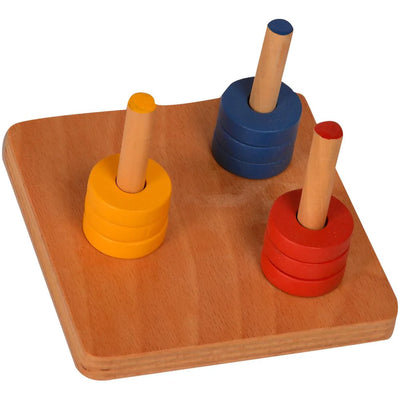
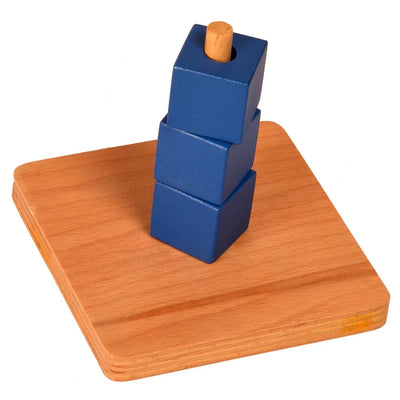
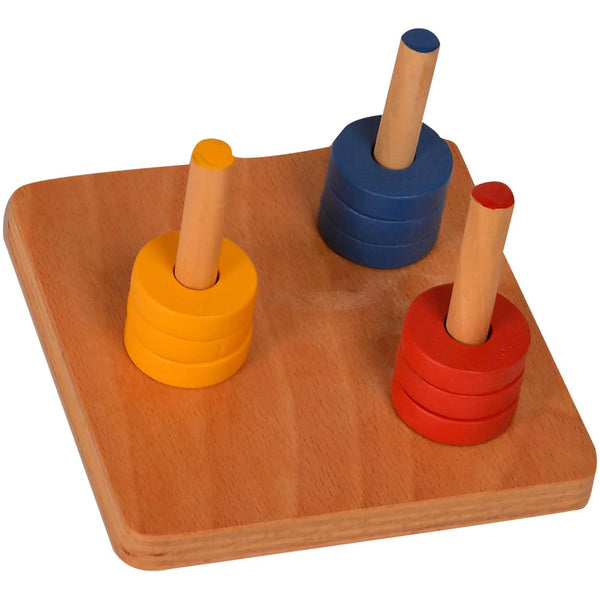
Encourage diverse play that challenges both gross and fine motor skills. This could mean more outdoor play in local parks, helping grandparents with gardening, or engaging with open-ended materials that allow for creative problem-solving. Celebrate every new attempt, whether it's stacking a few blocks or trying to wear their own clothes. Remember, consistent engagement in varied, meaningful activities is far more impactful than rote exercises. Explore SkilloToys' range of Montessori-inspired materials, designed to support natural development in any setting.
SkilloToys' Role in Supporting Diverse Motor Development
At SkilloToys.com, we understand that parenting across cultures means embracing diversity in development. Our Montessori educational toys are designed with universal principles that adapt seamlessly to the Indian context, supporting every child's unique path to physical mastery. We believe in providing tools that empower children to learn at their own pace, fostering independence and confidence.
From wooden puzzles that refine precision to building blocks that encourage imaginative construction, our products offer rich opportunities for motor skill development. These materials are not just toys; they are instruments for self-discovery, designed to engage the child's natural curiosity and aid in their journey to coordinated movement, reflecting a true global child development perspective that resonates locally.