Wooden Puzzles for Kids: Boosting Motor Skills, Montessori Way
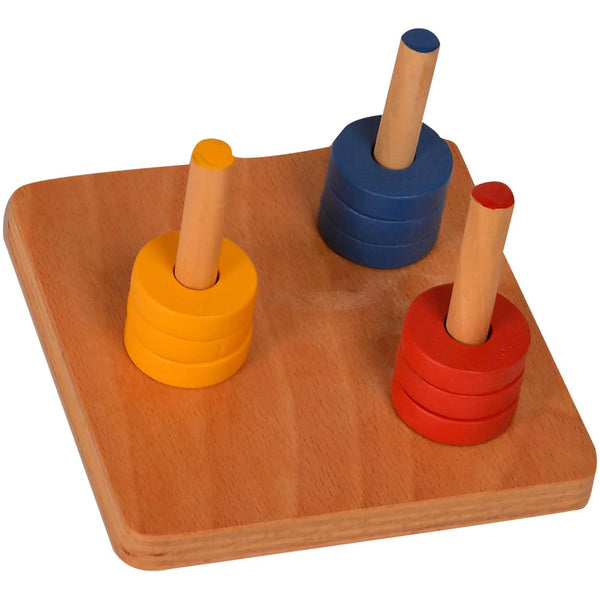
Wooden puzzles for kids significantly boost motor skills by engaging small muscles in the hands and fingers, refining pincer grasp, and improving hand-eye coordination. This repetitive manipulation, crucial in Montessori education, strengthens neural pathways vital for pre-writing and self-care skills, preparing children for future academic and daily life tasks.
Wooden puzzles are carefully designed materials that challenge children to manipulate pieces, match shapes, and complete a whole. This matters because such focused, repetitive action builds foundational hand-eye coordination and fine motor control. Indian parents can easily incorporate these into daily play, offering an engaging way to prepare children for school and independent living.
The Fine Art of Grasp: How Wooden Puzzles Nurture Fine Motor Skills
Maria Montessori, a pioneer in child development, observed that children learn best through purposeful activity involving their hands. Engaging with Montessori puzzles for motor skills, children naturally develop the precision and strength in their fingers and wrists needed for everyday tasks. Imagine 2-year-old Anya in her Mumbai apartment, carefully picking up a chunky wooden piece by its knob, her tiny fingers working to align it perfectly. This seemingly simple action is building critical fine motor skills.
Research consistently shows that developing a strong pincer grasp and hand-eye coordination through activities like puzzles directly supports future academic success. The Indian Academy of Pediatrics emphasizes the importance of early intervention for motor skill development, noting its link to overall cognitive growth. These fine motor skill toys, especially those made from wood, provide varied tactile feedback that further enhances sensory development.
Beyond Just Fitting: Concentration and Problem-Solving
While the physical act of manipulating pieces is crucial, the benefits of wooden puzzles extend far beyond dexterity. As a child, perhaps a 3-year-old named Rohan in Bengaluru, tackles a puzzle, he is simultaneously honing his concentration and problem-solving abilities. He learns to observe, strategize (even unconsciously), and persist through trial and error. This intrinsic self-correction—where the puzzle itself tells him if a piece fits or not—is a cornerstone of the Montessori philosophy.
This process builds an internal locus of control, a powerful lesson for young minds. Instead of relying on external validation, the child discovers solutions independently, fostering a quiet confidence. Unlike many electronic toys that guide the child, simple wooden puzzles make the child do the 'imagining' and 'figuring out', actively engaging their brain and promoting deeper cognitive engagement, as highlighted by recent discussions in India Today on the importance of play-based learning.
From Puzzles to Pencils: Preparing for School Readiness
The transition to formal schooling in India, often marked by academic pressure, can be smoother for children with well-developed motor skills. The precise finger movements required to place puzzle pieces are foundational for holding a pencil correctly and forming letters. Parents often ask about effective ways to prepare their children for the 'padhai pivot' to a structured classroom environment.
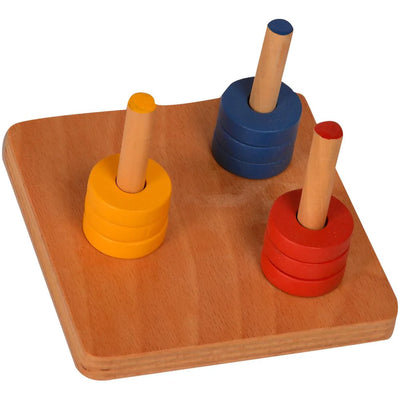
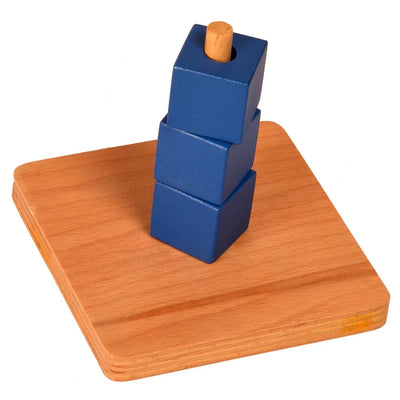
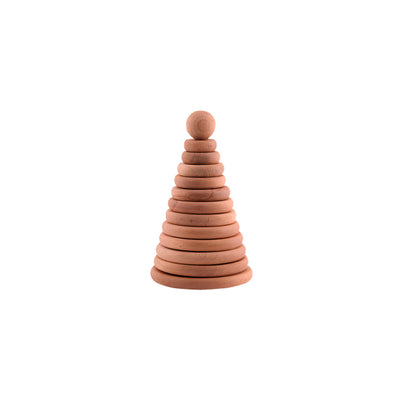
Wooden puzzles for toddlers and preschoolers directly contribute to this readiness. They help children develop the patience to sit and focus on a task, an essential skill for school. The repetitive nature of puzzle play, from simple shape sorters to more complex layering puzzles, strengthens the muscles and neural pathways needed for writing, drawing, and cutting. It's a playful way to bridge the gap between home play and school expectations, aligning with the vision for Viksit Bharat 2047 which emphasizes closing the school-readiness gap.
Choosing the Right Wooden Puzzles for Your Child
When selecting wooden puzzles, consider your child's developmental stage. For a baby just starting to sit up around 12-18 months, large-knobbed inset puzzles or simple shape sorters are ideal. These allow for grasping with the whole hand and focus on single shape recognition. For a 2-year-old, perhaps a curious little one in a joint family in Chennai, puzzles with fewer pieces and clearer images of familiar objects or animals are excellent.
As children grow, typically from 3-5 years, they are ready for more intricate challenges like multi-layered puzzles, puzzles with multiple steps, or those depicting sequences. The key is to offer puzzles that are just challenging enough to engage them without causing frustration. Remember, the goal is not to complete the puzzle for them, but to observe their process and offer quiet support, allowing them to experience the satisfaction of accomplishment independently.
A Practical Step for Your Home
Today, take a moment to observe your child’s interaction with objects. Can they pick up a small pebble? Do they try to fit shapes into a sorter? If you already have wooden puzzles, present one calmly on a mat, demonstrate once, and then step back. If you don't, consider adding a simple knobbed puzzle or a basic shape puzzle to their play area. You'll be surprised at how quickly their tiny hands, guided by their curious minds, begin to master these beneficial tools, laying a strong foundation for their growth.