Homeschooling Curriculum India: Structuring Daily Outdoor Play
For parents designing a robust homeschooling curriculum India, integrating outdoor and gross motor play isn't merely an extracurricular activity; it's a foundational pillar. By consciously structuring daily physical activity, even 30-60 minutes across the day, you significantly enhance cognitive development, emotional regulation, and concentration, which are crucial for effective Montessori learning at home. This approach helps children thrive by balancing focused academic work with essential physical release and exploration.
Structuring outdoor and gross motor play within a homeschooling curriculum involves intentionally carving out time and opportunities for children to engage in large muscle movement and open-air exploration. This matters because robust physical development directly supports brain growth, sensory integration, and problem-solving skills, making academic learning more accessible. Indian parents can achieve this by creating a flexible yet consistent daily routine that prioritises movement before, during, and after focused learning blocks.
The Essential Role of Movement in Montessori Homeschooling India
Maria Montessori firmly believed that movement is integral to intellectual development, not separate from it. This principle is particularly relevant for Montessori homeschooling schedule in India, where academic pressures can sometimes sideline physical play. The outdoor environment offers a rich 'prepared environment' that naturally stimulates all senses and allows for grander movements than indoor spaces. Research consistently shows that children who engage in regular outdoor play exhibit better attention spans and problem-solving abilities.
As the India Today recently highlighted, "In the age of AI, the playground could be the classroom children need most." This sentiment resonates deeply with the Montessori philosophy, where physical exploration directly builds neural pathways essential for abstract thought. Whether it's the 3-year-old climbing a small rock in a Bengaluru park or a 5-year-old balancing on a low wall in a Chennai courtyard, these activities are not just fun; they are brain-building.
Crafting Your Daily Schedule for Outdoor Play Routine Homeschool
Creating a consistent yet adaptable outdoor play routine homeschool is key. The goal isn't to force long, uninterrupted blocks but to weave movement into the fabric of your day. Think of it as 'movement snacks' rather than just one large 'meal' of play.
Morning Movement: Waking Up Body and Mind
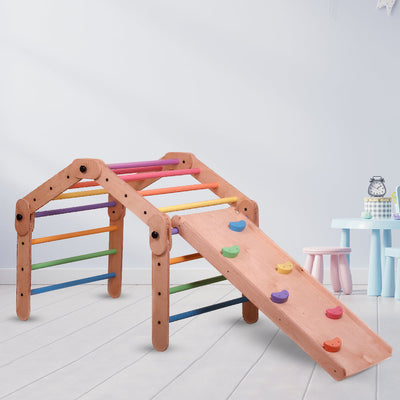
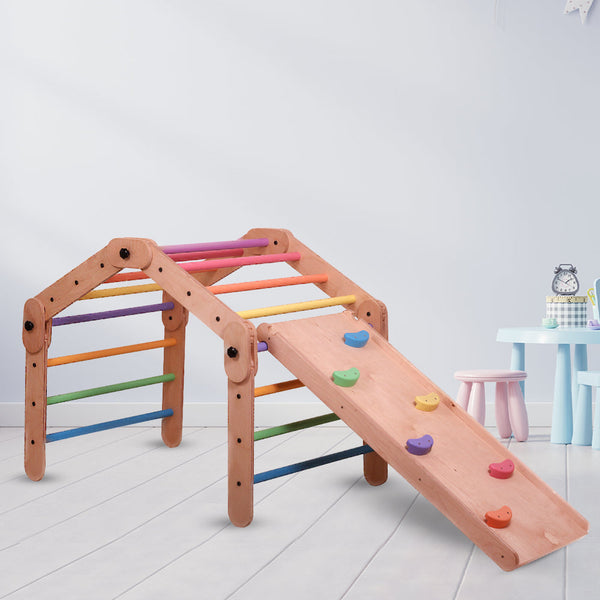
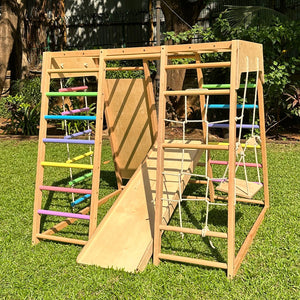
Start your homeschooling day with physical activity. This isn't just about burning energy; it's about preparing the brain for learning. A 15-20 minute brisk walk around your neighbourhood, a quick run in the local park, or even some yoga poses on the balcony can make a significant difference. For younger children, a session with a gross motor skill toy like a climbing arch or a Pikler triangle helps channel their morning energy productively. Child development experts agree that morning physical activity improves focus and reduces restlessness later in the day.
This early burst of movement provides proprioceptive and vestibular input, crucial for body awareness and balance, which then translates to better posture and concentration during tabletop activities. Imagine little Rohan in Mumbai, spending 20 minutes jumping and skipping in his building's compound before settling down for his language work with sandpaper letters.
Mid-Day & Afternoon Breaks: Recharging with Gross Motor Activities Homeschool
After a focused academic block, a break involving large muscle movement is essential. Instead of screen time, encourage gross motor activities homeschooling parents can easily facilitate. This could be a game of catch in the garden, riding a scooter down the lane, or even an impromptu dance party indoors if space is limited. The duration can be shorter, say 10-15 minutes, but the impact is profound.
For children aged 3-6 years, these breaks are vital for processing information and preventing cognitive overload. A short climb, a session of hopscotch, or even just tumbling on a mat helps reset their attention. The New Indian Express, in its "Child's Play" article, reminded us of the sheer importance of free, unadulterated play for holistic development, a reminder many Indian parents, navigating school pressure, often need.
Evening Exploration: Unwinding and Sensory Integration
The late afternoon or early evening offers another excellent opportunity for outdoor play, often when the sun is less harsh in many parts of India. This time can be less structured, allowing for free exploration. A visit to a nearby playground, playing hide-and-seek with cousins in a joint family courtyard, or simply observing nature in a local park provides invaluable sensory experiences.
Unstructured play in nature, such as collecting leaves, drawing in the dirt with a stick, or listening to birds, integrates various senses and promotes a sense of calm after a day of learning. This isn't just play; it's vital work for the developing brain. It also offers a wonderful opportunity for family bonding, much like the traditional evening strolls Indian families often enjoy together.
Adapting Your Daily Schedule Montessori Homeschool to Indian Realities
Implementing a consistent daily schedule Montessori homeschool requires flexibility, especially with India's diverse climate and urban living conditions. During the intense summer heat, shift outdoor activities to early mornings or late evenings. Monsoon seasons necessitate creative indoor gross motor solutions, as mentioned earlier. Even a small balcony can become a "sensory corner" with plants and water play.
Remember that the Supreme Court hearing raising the question "Will sports become a fundamental right for children?" (The Times of India) underscores a societal shift towards recognizing the fundamental need for physical activity. As homeschooling parents, you have the unique opportunity to integrate this vital element seamlessly, demonstrating its non-negotiable value for your child's complete development. Explore SkilloToys' Montessori materials to find options that support both indoor and outdoor physical development.
By intentionally carving out time for movement, you're not just adding an activity; you're enriching your child's entire learning experience. This approach ensures your Montessori homeschooling journey in India nurtures not just the mind, but the body and spirit too, fostering well-rounded, resilient, and joyful learners ready to engage with the world.