Early Childhood Experiences Rural India: Daily Learning & Play (3-5 Years)
In rural India, the early childhood experiences rural India for preschoolers (3-5 years) are uniquely woven into the fabric of daily life, community, and nature. Children in these settings learn by actively participating in household chores, engaging in traditional games, exploring their natural surroundings, and observing family members, fostering crucial practical life skills, social-emotional development, and a strong connection to their cultural roots. This organic, integrated learning approach is fundamental to rural childhood development.
Early childhood experiences in rural India refers to the natural, community-driven learning and play environments of children aged 3-5 years in Indian villages and non-urban settings. This matters because these formative years lay the groundwork for holistic cognitive, social, and physical development. Indian parents can adapt principles of observation and natural learning from these settings to enrich their child's growth and preparation for school.
The Unscripted Classroom: Learning Activities Rural India Through Daily Life
Unlike highly structured urban environments, learning activities in rural India for preschoolers are often unscripted and integrated into family routines. A three-year-old like Radha in a small Maharashtra village might help her grandmother sort lentils, distinguishing colours and sizes, or assist her mother in collecting cow dung cakes for fuel, developing fine motor skills and understanding processes. These seemingly simple tasks are powerful practical life lessons, echoing the Montessori principle that children learn best by doing, fostering independence and responsibility.
Research consistently shows that involvement in household chores at an early age contributes significantly to a child's sense of competence and self-esteem. According to a study published by the Indian Council of Child Welfare, children engaged in family tasks demonstrate higher levels of initiative and problem-solving abilities. Parents can encourage similar engagements, perhaps through playful tasks like setting the table or putting away clothes, which are excellent for developing coordination and order.
Nature's Playground: Play in Rural India and the Montessori Rural Environment
For children aged 3-5 in rural India, the outdoors is their primary classroom and playground, offering boundless opportunities for sensory exploration and gross motor development. You'll often see them building mud houses, creating 'meals' with leaves and flowers, or climbing trees, activities that foster creativity, physical strength, and an understanding of natural cycles. This kind of hands-on interaction with the natural world is a cornerstone of a healthy rural childhood development.
Traditional games India also play a vital role. Games like gilli-danda, kabaddi (in its simpler forms), and various versions of tag or hopscotch (stapu) are not just fun; they teach negotiation, teamwork, spatial awareness, and quick thinking. These activities, often played with minimal supervision, allow children to self-regulate and resolve conflicts, skills that are invaluable for school readiness. Maria Montessori herself emphasized the importance of nature and unstructured play in developing a child's intrinsic motivation and concentration, making the rural environment an inherent Montessori setting.
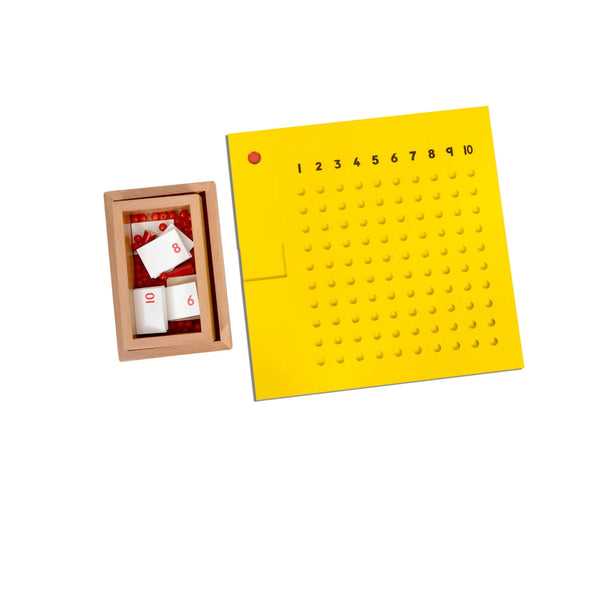
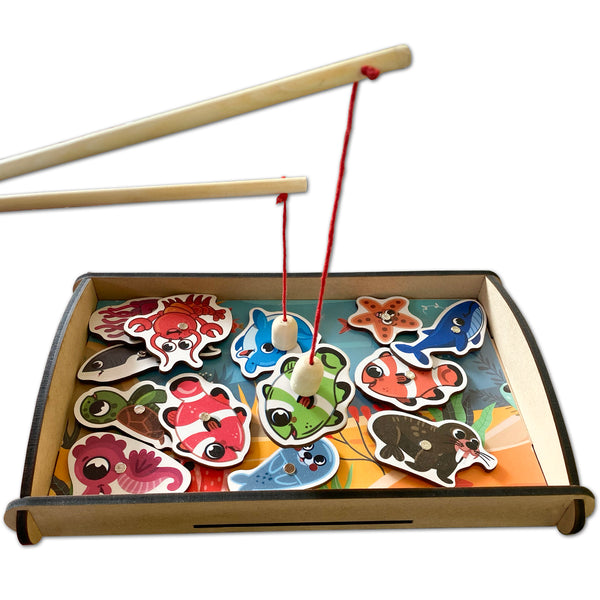
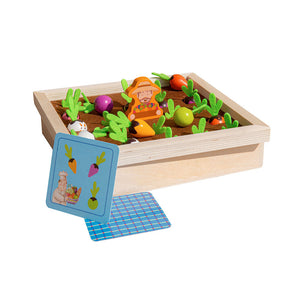
For parents looking to bring this essence indoors, consider enriching play with open-ended materials that mimic nature's versatility. Wooden puzzles or creative activity kits that encourage building and exploration can help foster the same problem-solving skills developed through outdoor play. These tools allow children to use their imagination and tactile senses, just as they would with natural elements.
Community & Culture: Preschool Activities Rural India Through Shared Living
The joint family system and close-knit communities are powerful catalysts for social-emotional development and preschool activities rural India. Children are constantly surrounded by elders, cousins, and neighbours, learning empathy, sharing, and respect through daily interactions. Grandparents, especially dadi and nani, play a pivotal role, imparting cultural stories, songs, and traditional values that build a strong foundation for language and identity.
Festivals are not just celebrations but immersive learning experiences. Whether it's helping decorate for Diwali, observing the preparations for Pongal, or participating in a local temple procession, these events expose children to rich cultural traditions, develop social graces, and enhance their understanding of their heritage. Such communal involvement naturally cultivates a sense of belonging and community responsibility, crucial for navigating social dynamics later in life. This communal learning is a distinct advantage for early childhood experiences rural India.
Nurturing Holistic Growth: Lessons for Every Indian Parent
The daily lives of preschoolers in rural India offer profound lessons on nurturing holistic development. While urban childhoods may be different, parents can consciously integrate elements of this organic learning into their child's routine. Encourage outdoor play in parks or gardens, involve them in simple kitchen tasks like washing vegetables, or storytelling sessions with grandparents that reinforce cultural connections.
Understanding these diverse early childhood experiences helps us appreciate that robust development doesn't always require elaborate resources. What matters most is providing opportunities for hands-on exploration, meaningful participation, and a supportive environment that values curiosity and independence. For deeper engagement with foundational skills, consider exploring a range of Montessori learning materials that encourage self-directed discovery and practical life skills, available at SkilloToys.com.
Tonight, encourage your child to help you sort clothes by colour or size, or ask them to describe the sounds they hear outside. These simple, everyday activities can replicate the rich, integrated learning environment found in rural India, setting your child up for school and beyond.