School Choices for Returning Indian Families: Montessori's Role
Education expert Sushma Bharath's recent statement, as reported by TheWire.in, underscores a critical point for parents: returning Indian families must rethink school choices for children aged 5-8 years. Montessori offers a unique, child-centric pathway, fostering independence and intrinsic motivation over rote learning, easing their transition back into India's educational landscape. This globally recognised method provides a thoughtful alternative to conventional primary schooling, focusing on holistic development.
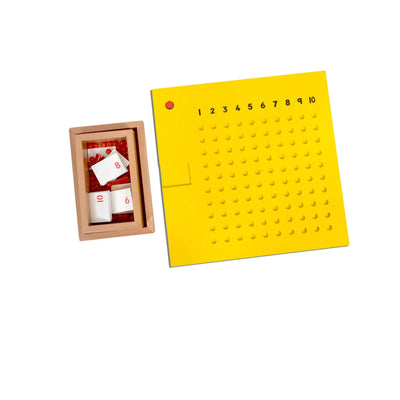
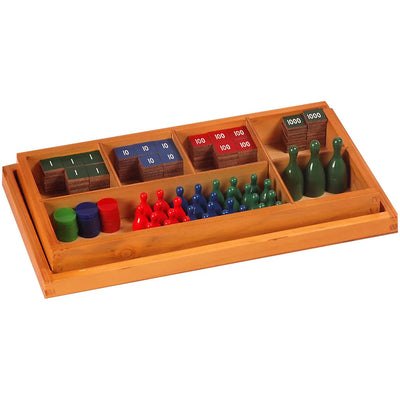
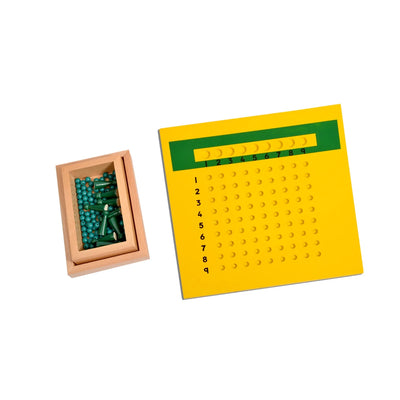
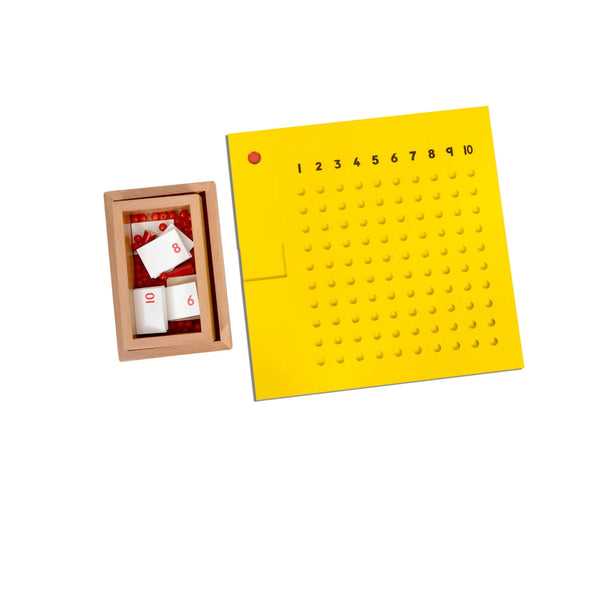
Montessori primary education, for ages 6-12, builds on foundational skills by introducing abstract concepts through concrete materials, encouraging self-directed learning and collaboration. This matters because it cultivates critical thinking and a profound love for learning, which is crucial for children entering a new cultural and academic environment. Indian parents can consider this method to support their child's holistic growth and nurture their unique potential.
Montessori for Returning NRIs: Bridging Educational Gaps
For many families returning from abroad, the Indian education system can feel like a sudden shift, often characterized by intense academic pressure from an early age. Children who have experienced diverse, less rigid learning environments often struggle with the sudden emphasis on rote memorization and competitive exams. Child development experts agree that a smooth transition is vital for emotional well-being and continued academic engagement.
Montessori for returning NRIs provides a familiar philosophy, grounded in individual exploration and respect for the child's innate curiosity. This approach can significantly reduce the culture shock children might experience, allowing them to adjust at their own pace. Instead of being overwhelmed by a new system, they are empowered to take ownership of their learning, a common thread in global education India primary schools often seek.
Holistic Development: India Primary School Priorities
While academic rigour is valued, UNICEF and NCERT frameworks increasingly advocate for holistic development in early childhood and primary education. Montessori classrooms, designed around Maria Montessori's principles, naturally prioritize this. For children aged 5-8, the curriculum encompasses not just academics but also practical life skills, sensory development, and cultural understanding.
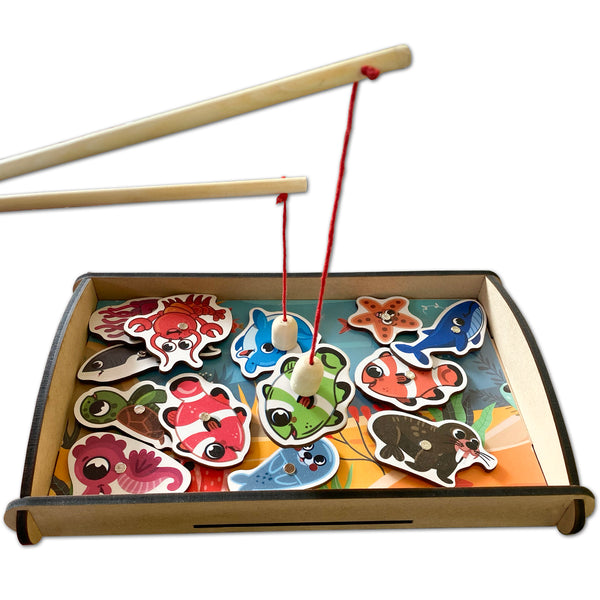
This balanced approach ensures that children like 6-year-old Rohan, who just returned to Bengaluru with his parents, develop critical thinking alongside compassion and a strong sense of self. It moves beyond textbook learning, allowing children to engage with materials like a puzzle to understand geometry or an activity kit to explore botanical concepts. The focus remains on understanding rather than mere recall, fostering deep-rooted knowledge.
Academic Pressure Solutions India: A Montessori Perspective
The burden of academic pressure in India is a pervasive concern, with many parents seeking alternatives to the conventional rat race. From the pressure of 'topping the class' to endless tuition classes, the joy of learning can often be eclipsed. Research indicates that excessive early academic pressure can lead to anxiety and disengagement in children.
Montessori offers tangible academic pressure solutions India desperately needs. By fostering self-discipline and intrinsic motivation, it encourages children to learn because they are genuinely interested, not solely to pass an exam. For a child accustomed to the freedom of international schooling, this learner-led environment can be a breath of fresh air, allowing them to reconnect with the joy of discovery without constant external validation.
Rethinking Education India for a Global Outlook
The conversation around rethinking education India needs to extend to primary school choices. Returning families bring a global perspective, and they often seek educational models that align with international best practices. Montessori's multi-age classrooms, for instance, cultivate social skills and mentorship opportunities that are invaluable in diverse settings.
Consider 7-year-old Anya, who spent her early years in London. In a Montessori environment, she might find herself collaborating with younger children on a practical life task or mentoring an older peer through a complex maths problem. This organic interaction, far from the rigid age segregation of many traditional schools, helps children develop empathy and adaptability, crucial traits for navigating India's vibrant, complex society.
Making Informed School Choices for Returning Indian Families
The decision regarding school choices for returning Indian families is deeply personal, often influenced by proximity to grandparents, cultural values, and long-term academic goals. However, the opportunity to explore pedagogical alternatives like Montessori provides a compelling argument for prioritizing holistic child development.
SkilloToys.com champions the Montessori method, offering materials that support this unique learning journey. By embracing this approach, parents can equip their children with not just knowledge, but a lifelong love for learning, critical thinking skills, and the resilience to thrive in any environment, whether it's a bustling Indian city or a global stage. The choice to rethink education is an investment in a child's entire future, shaping their approach to learning and life itself.