Homeschooling Curriculum India: A Parent's Guide (3-5 Years)
Homeschooling curriculum in India for preschoolers aged 3-5 years typically involves a flexible, child-centric approach that integrates foundational academic skills with practical life activities, often drawing from pedagogies like Montessori. This personalized method allows parents to tailor learning to their child's unique pace and interests, fostering holistic development within the familiar home environment, while also preparing them for future schooling or independent learning journeys.
Homeschooling a preschooler in India means parents take direct responsibility for their child's early education outside a traditional school setting. This matters because it offers unparalleled flexibility, caters to individual learning styles, and builds a strong parent-child bond during crucial developmental years. Indian parents can choose from various established curricula or create their own, focusing on culturally relevant, play-based learning experiences.
Why Consider Preschool Homeschooling in India?
The decision to homeschool a preschooler (3-5 years) in India often stems from a desire for a more personalized and gentle introduction to learning. Many parents seek to avoid the early academic pressure sometimes prevalent in traditional Indian schools, opting instead for an environment where curiosity and holistic development are paramount. Research consistently shows that play-based learning is fundamental for early childhood development, a principle strongly advocated by organizations like UNICEF.
Moreover, the flexibility of homeschooling allows families, particularly those in joint family setups or with busy schedules, to integrate learning seamlessly into daily life and cultural celebrations. For instance, a child can learn about colours while helping a Dadi prepare for Diwali or understand patterns by observing rangoli designs. This organic approach ensures that learning is joyful and meaningful, respecting the child's individual rhythm.
The Indian Homeschooling Landscape for 3-5 Year Olds
India's policy on early childhood education, as highlighted by organisations like Brookings, emphasises the importance of foundational learning experiences. While formal schooling often begins around age six, the preschool years (3-5 years) are critical for cognitive, social, and emotional growth. For this age group, homeschooling typically means parents are designing an enriching home environment rather than replicating a formal classroom.
There's a growing community of Indian parents embracing preschool homeschooling, sharing insights and resources. Studies on community engagement in early childhood development interventions in rural India, like the 'stepping stones' programs, underscore the value of parental involvement and local context in fostering development. This reinforces the idea that home-based, parent-led learning, especially when supported by a community, can be incredibly effective.
Crafting Your Homeschooling Curriculum: Key Principles
A successful homeschooling curriculum for preschoolers in India is built on a few core principles. Firstly, it must be child-led, meaning you observe your child's interests and readiness, rather than imposing a rigid structure. Maria Montessori's philosophy, for example, champions following the child, allowing them to choose activities that resonate with their current developmental stage.
Secondly, learning must be play-based. For a 3-year-old in Bengaluru, exploring the textures of spices in the kitchen is far more educational than a worksheet. Finally, integration of practical life skills is crucial. From helping fold laundry to watering plants, these activities build concentration, fine motor skills, and a sense of responsibility – foundational for later academic success.
Embracing Montessori Homeschooling India
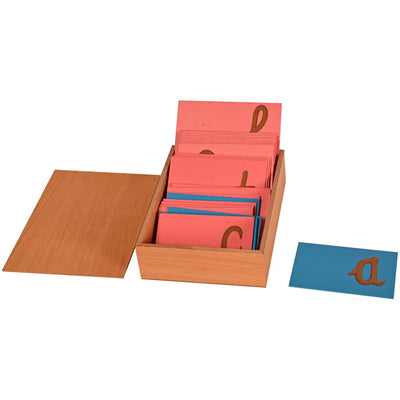
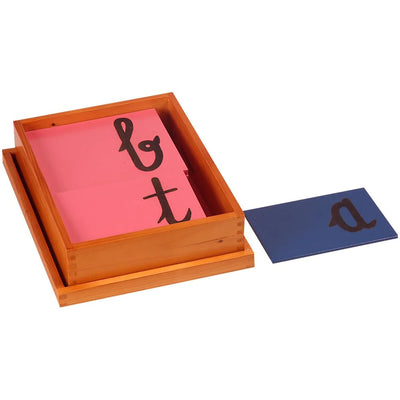
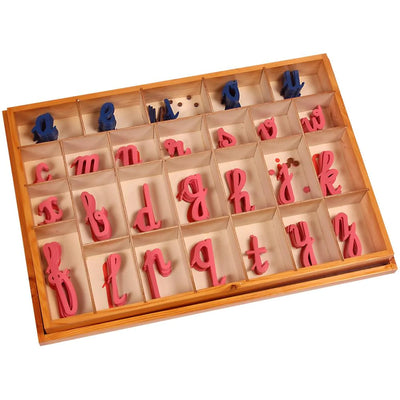
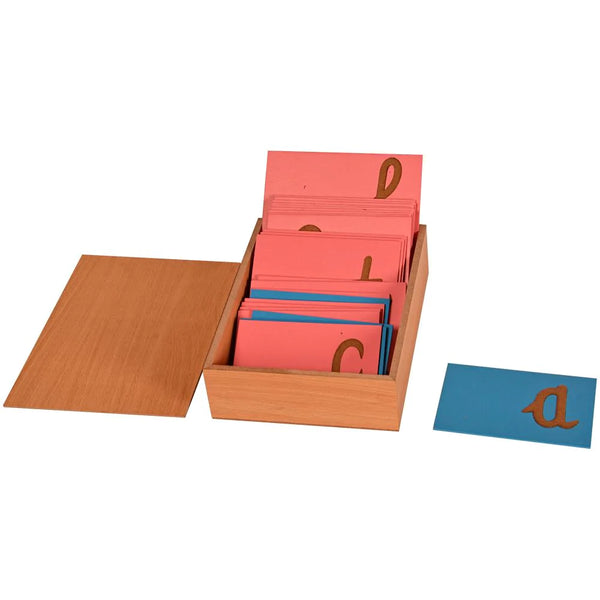
The Montessori approach offers an excellent framework for Montessori homeschooling India. It focuses on a prepared environment where children can freely explore purposeful activities. For preschoolers (3-5 years), this means offering materials that engage their senses, refine motor skills, and lay the groundwork for language and mathematics.
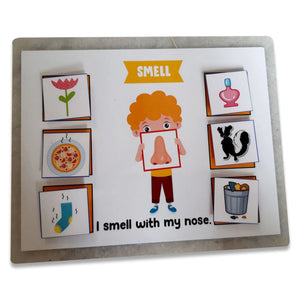
Think about practical life exercises like pouring water, buttoning clothes, or scrubbing vegetables – all readily available in an Indian home. Sensorial materials, such as a set of colour tablets or rough and smooth boards, help children refine their senses. These activities foster independence and self-correction, encouraging a child's natural drive to learn and master new skills.
Age-Specific Curriculum Ideas for Preschool Homeschooling India
Tailoring activities to your child's specific age is key to effective preschool homeschooling India. While every child develops at their own pace, general guidelines can be helpful.
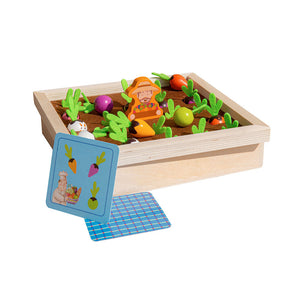
- For 3-Year-Olds (Homeschooling for 3 year olds India): Focus on sensory play, gross motor activities, and simple practical life tasks. Encourage language development through storytelling and conversations. Activity kits designed for this age often include large manipulation items and sensory bins that help develop foundational skills.
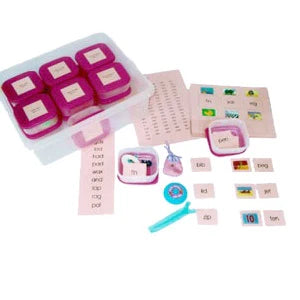
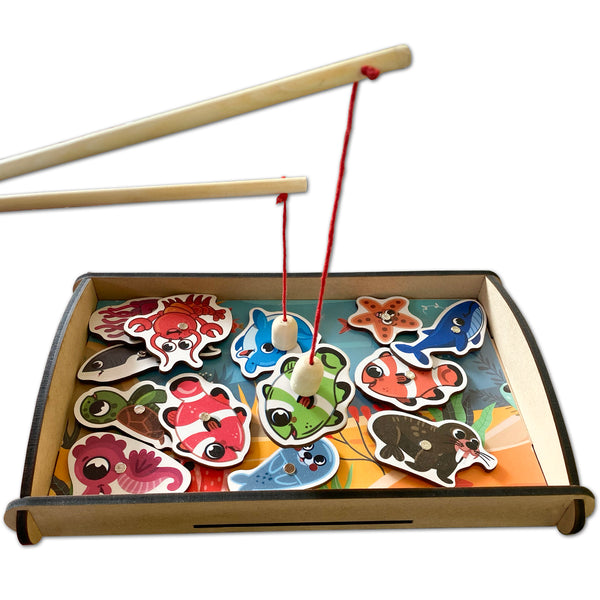
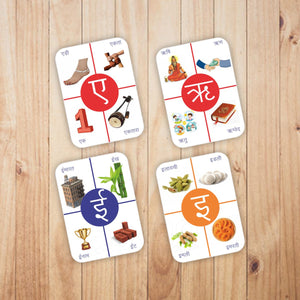
- For 4-Year-Olds (Homeschooling for 4 year olds India): Introduce pre-reading skills like phonological awareness (rhyming, identifying initial sounds), pre-writing (tracing, drawing lines), and early numeracy through counting games. Simple puzzles and matching games are excellent for cognitive development and problem-solving at this age.
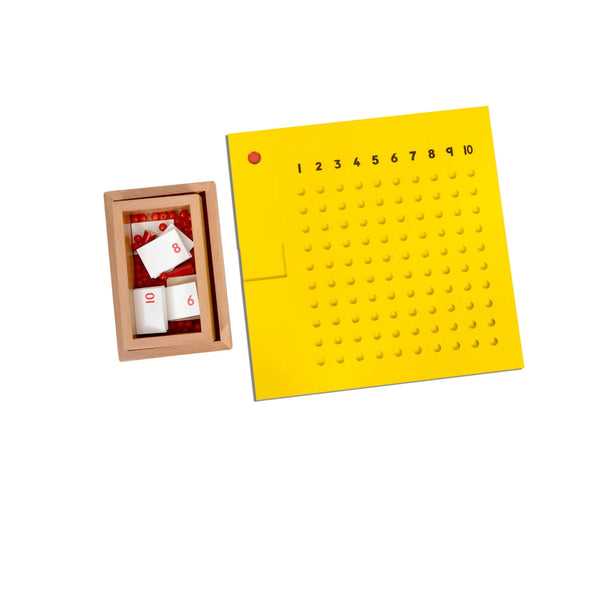
- For 5-Year-Olds: Build upon pre-reading and writing, introduce more complex math concepts (addition with manipulatives), and explore early geography or science through nature walks and simple experiments. Encourage independent work and longer periods of concentration.
Integrating Indian Culture & Daily Life into Early Learning Curriculum India
One of the unique advantages of homeschooling in India is the rich cultural tapestry available for learning. Weaving local traditions into your early learning curriculum India makes it deeply relevant and engaging. For example, instead of generic stories, share Panchatantra tales or stories from Indian mythology. Cooking traditional sweets for a festival like Holi becomes a lesson in measurements, colours, and cultural significance.
The gentle art of 'seva' or service, often instilled in Indian children through helping elders, is a powerful real-world practical life exercise, building empathy and fine motor skills far more effectively than any single worksheet. Grandparents can be incredible resources, sharing stories, traditions, and life skills that enrich a child's understanding of their heritage and community. Daily visits to the local market or observing local artisans can also provide invaluable real-world learning opportunities.
Resources and Support for Homeschooling in India
You don't have to homeschool in isolation. India has a vibrant and growing community of homeschooling parents who share resources, tips, and encouragement. Online forums and local parent groups can provide invaluable support, helping you connect with others navigating similar journeys. SkilloToys.com offers a curated selection of Montessori-inspired educational toys and materials that perfectly complement a home learning environment, ensuring quality resources are accessible.
Remember to regularly observe your child's progress and adapt your approach as needed. There's no single perfect curriculum; the best one is always the one that best suits your unique child and family dynamic.
Preparing for the Next Steps: Socialization & Transition
A common concern for parents embarking on homeschooling is socialization. However, homeschooled children often have rich social lives, interacting with a wider range of ages and people than they might in a classroom. Facilitate playdates with friends and cousins, enroll your child in local activity classes like dance, music, or sports, and participate in community events. This broadens their social circle and develops crucial interpersonal skills.
If your plan is to eventually transition your preschooler into a formal school, begin introducing school-like routines gradually. Practice sitting for short periods, following multi-step instructions, and managing their belongings. Visiting the school environment and meeting future teachers can also help ease the transition, making the move from home to classroom a smooth and positive experience for your child.