Junior Playgroup India: Choices for Your 3-5 Year Old
The recent news about major early childhood education (ECE) providers like EuroKids launching Junior Playgroup India programs for toddlers aged 18-24 months has sparked conversations among many Indian parents. While these specific initiatives target a younger age group, they highlight a growing trend in our urban centres: the expanding continuum of early learning choices. For parents of 3-5 year olds, understanding these foundational programs is crucial to making informed decisions about their child's preschool journey and ensuring optimal development.
Junior Playgroups are structured early learning environments designed to introduce young children to social interaction, routine, and guided play outside the home. This matters because it provides a gentle transition from home to school, building crucial social-emotional and cognitive skills. Indian parents can leverage this understanding by evaluating how a chosen early learning program, be it a junior playgroup or a traditional preschool, supports their child's holistic development and school readiness.
Understanding Early Learning Programs in India: Beyond the Age Bracket
The landscape of early childhood education in India is evolving rapidly. What began as informal daycare has matured into a diverse ecosystem of structured programs. A Junior Playgroup India is typically a foundational step, focusing on sensory exploration, language development, and rudimentary social skills for children aged 18-30 months. These programs aim to build comfort with a group setting, share resources, and follow simple instructions – skills that are absolutely vital for children progressing into the 3-5 year age bracket.
Child development experts, including those consulted for the NCERT's National Curriculum Framework for Foundational Stage (2022), emphasize that the period from birth to eight years is critical for brain development. Early exposure to stimulating environments, whether at home or in a structured program, significantly impacts cognitive and social growth. For Aarav, a three-year-old in Bengaluru, even a few hours in a nurturing junior playgroup environment could mean better self-regulation and fewer separation anxieties when he eventually starts preschool.
Playgroup vs. Preschool India: What's the Key Difference for 3-5 Year Olds?
Many parents, especially those with their first child, often wonder about the distinction between a playgroup and a preschool. While the lines can sometimes blur, especially with hybrid models, the primary difference lies in developmental focus and structure. A junior playgroup, as mentioned, is often a child's very first step outside the home, focusing heavily on play-based learning and socialisation, often with shorter hours.
Preschools, catering predominantly to 3-5 year olds, build upon these initial experiences. They introduce more structured routines, pre-academic skills (like identifying letters and numbers), and foster greater independence. According to a study by the Centre for Policy Research, children attending quality preschools show improved cognitive abilities and better school readiness outcomes. When choosing for your 3-5 year old, consider a program that offers a balanced approach, like Montessori-inspired schools, that supports both structured learning and free exploration.
Montessori Playgroup Benefits: Laying Foundations for Future Success
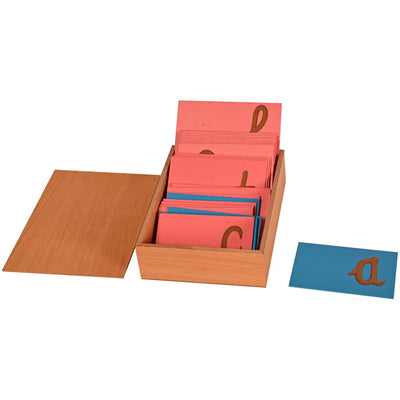
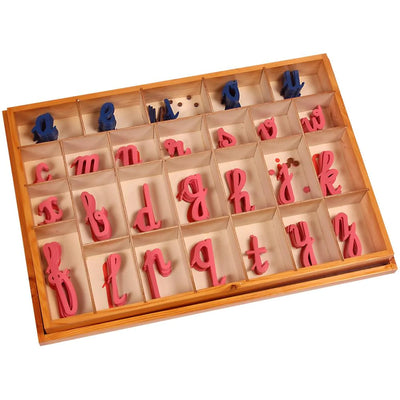
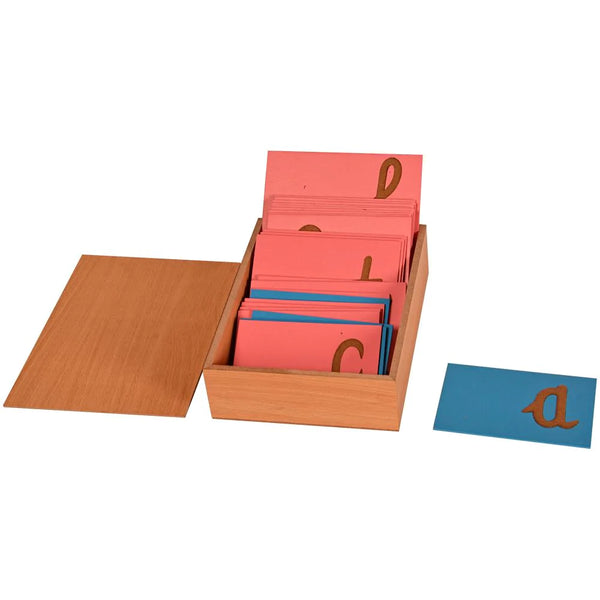
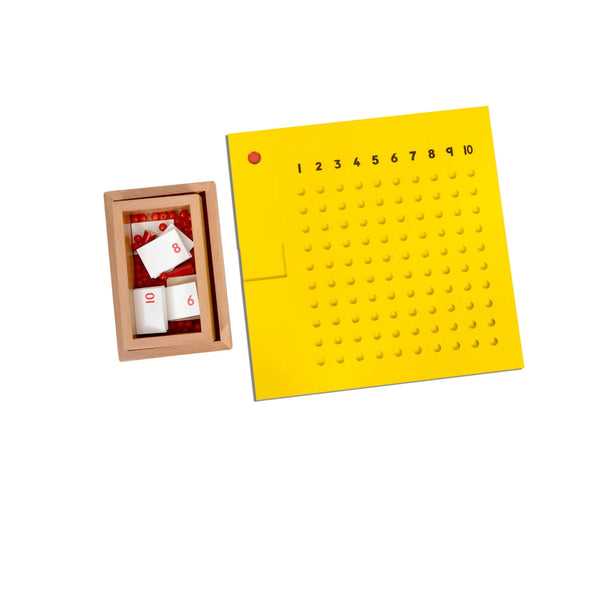
The Montessori method, pioneered by Dr. Maria Montessori, offers a unique and highly beneficial approach to early learning. Even if your 3-5 year old didn't attend a dedicated Montessori junior playgroup, understanding its principles can inform your choice of preschool and home environment. Montessori programs emphasize self-directed activity, hands-on learning, and collaborative play within a prepared environment.
This approach naturally develops concentration, practical life skills, and an intrinsic motivation to learn. Imagine little Priya, aged four, carefully pouring water from one jug to another – this seemingly simple activity develops fine motor control and concentration, crucial for writing later on. Similarly, engaging with materials like wooden puzzles or sorting beads found in a Montessori setting fosters problem-solving and logical thinking. Research consistently shows that Montessori-educated children often exhibit greater academic and social adaptability.
Preschool Preparation India: Beyond Just Academics
Preparing your 3-5 year old for preschool in India is about more than just knowing their A-B-Cs. It's about developing a robust personality, resilience, and social competence. The early experiences in a playgroup or at home, such as learning to share, take turns, and express emotions constructively, are invaluable. For a child transitioning from the comfort of a joint family, where grandparents dote on every need, a gradual introduction to a group setting is vital.
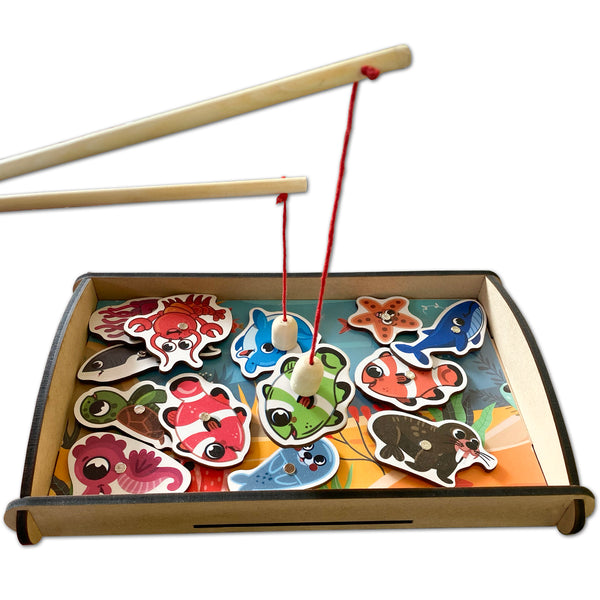
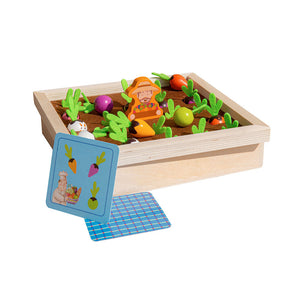
Practical life skills, like self-feeding, managing their belongings, and using the washroom independently, are also key. These are often taught in playgroup settings and can be reinforced at home. Engaging your child with activity kits that encourage fine motor skills, creative expression, and critical thinking can significantly boost their confidence and readiness. The urban context in India often means less outdoor play, making structured indoor activities and quality ECE programs even more important for holistic development.
Toddler Development Programs: A Continuum, Not Isolated Steps
Viewing early learning as a continuum, where toddler development programs flow into junior playgroups, and then into preschool, helps parents make more cohesive choices. This interconnectedness is crucial for ensuring that a child's developmental milestones are met progressively. The foundational skills learned at 18-24 months in a junior playgroup directly impact how a child adapts and thrives at 3-5 years old in a preschool setting.
Instead of seeing the new junior playgroup launches as a race to start school earlier, consider them as opportunities to provide sustained, age-appropriate stimulation. A robust early learning journey is not about rushing childhood, but about enriching it at every stage. As NDTV recently highlighted in "Urban Childhood Matters," building a strong foundation in early childhood development in India's cities requires thoughtful consideration of all available programs and how they contribute to a child's long-term success.
Choosing the right early learning path for your 3-5 year old can feel daunting amidst so many options. By understanding the distinct roles of different programs, from junior playgroups to Montessori preschools, you empower yourself to make the best decision for your child's unique needs. Focus on programs that prioritize holistic development, foster independence, and ignite a lifelong love for learning, rather than just academic pressure. Your informed choices today pave the way for a confident, curious, and well-adjusted child ready for school and beyond.