NEP 2020 Foundational Learning: Guide for 3-5 Year Olds
NEP 2020 foundational learning significantly redefines early childhood education for children aged 3-5 years in India, emphasizing holistic development over rote learning. This critical stage, termed the 'Foundational Stage,' aims to build a strong base for future academic and life success, moving beyond traditional pre-primary structures to a more integrated, play-based approach. Child development experts agree that a robust foundational learning framework is essential for cognitive and socio-emotional growth, setting the stage for lifelong learning.
The NEP 2020's Foundational Stage is a comprehensive five-year learning period (3-8 years) for young children, with the initial three years (3-5 years) focusing on preschool education. This matters because it ensures children develop foundational literacy and numeracy, along with essential life skills, before formal schooling. Indian parents can actively support this by choosing play-based learning environments and engaging with child-centric educational materials at home.
Understanding the NEP 2020 Foundational Stage for 3-5 Year Olds
The National Education Policy (NEP) 2020 marks a transformative shift in how India approaches early childhood education. For parents of 3-5 year olds, this means moving away from a rigid, academic-focused start to a more joyful, developmentally appropriate learning experience. This stage prioritizes experiential learning, where children learn by doing, exploring, and interacting with their environment.
The policy's vision, as highlighted by 'Foundations First: How NEP 2020 is Shaping India’s Early Learning Revolution,' focuses on integrated learning across five developmental domains. It acknowledges that early years are crucial for building resilience, curiosity, and a love for learning, rather than merely preparing children for competitive examinations. This comprehensive approach recognizes the diverse needs of every child.
The Five Pillars of Foundational Learning (3-5 Years)
The NEP 2020 curriculum for preschool outlines five key domains crucial for the holistic development of children aged 3-5. Understanding these pillars empowers parents to support their child's growth effectively, whether at home or in a formal setting. These domains ensure a well-rounded foundation for school readiness in India.
Physical Development
This domain focuses on developing gross motor skills (running, jumping, balancing) and fine motor skills (grasping, cutting, drawing). Encouraging active play, both indoors and outdoors, is vital. Maria Montessori's approach, through practical life activities, naturally hones fine motor control and coordination, preparing little hands for writing and self-care.
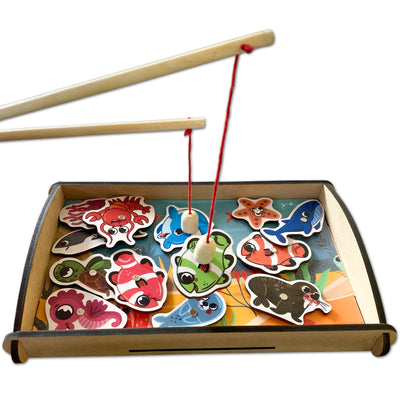
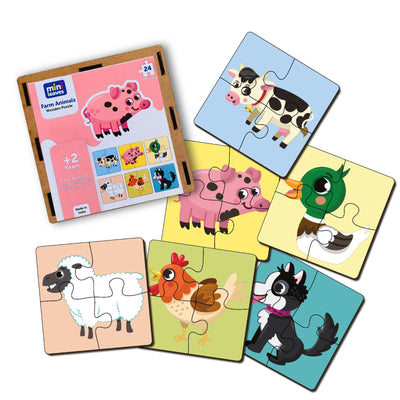
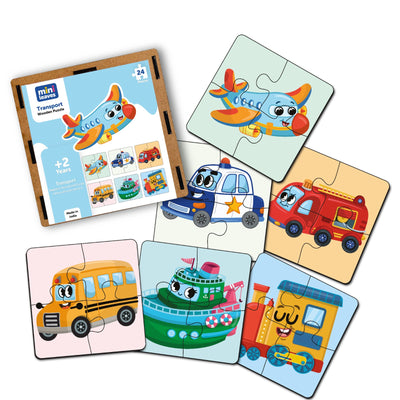
Activities involving sorting, stacking, and manipulating objects are excellent. SkilloToys offers a range of engaging puzzles and building blocks that are perfect for enhancing hand-eye coordination and spatial reasoning in a fun way.
Socio-Emotional and Ethical Development
This pillar nurtures self-awareness, empathy, cooperation, and ethical values. In Indian homes, especially joint families, children naturally learn to share, respect elders (like grandparents), and participate in family rituals. Festivals provide rich opportunities for cultural understanding and community bonding.
Encouraging turn-taking, sharing toys, and expressing emotions appropriately are key. Stories centered around moral values and discussions about respecting diverse cultures help children develop a strong ethical compass and a sense of belonging.
Cognitive Development
Cognitive development encompasses problem-solving, critical thinking, memory, and logical reasoning. Children at this age are naturally curious and constantly questioning the world around them. Providing opportunities for exploration and discovery fuels their intellectual growth.
Montessori sensorial materials, designed to isolate qualities like color, shape, and size, are excellent for this. Engaging children with pattern recognition games or simple science experiments fosters analytical thinking. Our activity kits are designed to stimulate cognitive skills through hands-on, interactive challenges.
Language and Literacy Development
Foundational literacy and numeracy are cornerstones of NEP 2020. For 3-5 year olds, this means developing strong oral language skills, phonological awareness, and an understanding of print concepts, leading to early reading and writing readiness. This includes storytelling, listening comprehension, and recognizing letters and numbers.
Reading aloud daily, discussing pictures in books, and encouraging children to narrate their own stories are powerful tools. Montessori sandpaper letters provide a multi-sensory approach to letter recognition, while counting frames and abacus introduce numerical concepts concretely.
Aesthetic and Cultural Development
This domain promotes appreciation for art, music, dance, and local traditions. It encourages children to express themselves creatively and connect with their cultural heritage. Whether through drawing, singing folk songs, or learning traditional dance forms, these activities enrich a child's imagination and identity.
Participating in community events, visiting local craft markets, and exploring traditional art forms expose children to India's rich cultural tapestry. This aspect of development helps children understand their place within their community and nation, fostering a sense of pride.
Montessori and NEP 2020: A Perfect Partnership for Early Learning
The alignment between Montessori principles and NEP 2020's vision for early childhood education is profound. Both emphasize child-centric learning, self-directed activity, and a prepared environment that fosters independence and intrinsic motivation. Research shows that Montessori education naturally fosters the holistic development advocated by NEP 2020.
Maria Montessori's method, with its focus on practical life skills, sensorial exploration, and concrete materials, inherently supports foundational literacy and numeracy, cognitive growth, and socio-emotional intelligence. SkilloToys provides authentic Montessori Method Learning Materials that are ideal for achieving the developmental milestones outlined in NEP 2020.
How Parents Can Support Foundational Learning at Home
Parents play the most crucial role in their child's school readiness in India. Creating a stimulating, supportive home environment is paramount. Engage your child in daily conversations, read together, and encourage imaginative play. Simple household chores, like helping with laundry or setting the table, are excellent practical life activities.
For children aged 3-5 years, providing access to age-appropriate puzzles, building blocks, and art supplies nurtures their cognitive and creative faculties. Grandparents, often present in Indian homes, can be wonderful storytellers and cultural educators, sharing traditional tales and values. Studies indicate that quality early childhood experiences, including home-based learning, can improve primary school performance by up to 25%.
Addressing Concerns: Quality and Regulation in Early Childhood Education
As NEP 2020 rolls out, discussions around the quality and regulation of preschools are increasingly relevant, as noted by 'When childhood becomes a commodity: Why preschools must be regulated.' While the policy sets clear guidelines, parents must remain vigilant in choosing preschools that genuinely align with NEP's child-centric approach.
Understanding the NEP 2020 framework empowers you to ask the right questions and ensure that your child's early learning environment, whether at home or in a school, provides a strong, joyful, and holistic foundation. Your active involvement is key to unlocking the full potential of this transformative policy for your little one.
- NEP 2020 redefines early childhood education for 3-5 year olds through a 'Foundational Stage' focused on holistic development.
- The Foundational Stage emphasizes play-based and experiential learning over traditional rote methods.
- Five key developmental domains (Physical, Socio-Emotional & Ethical, Cognitive, Language & Literacy, Aesthetic & Cultural) guide the curriculum for young children.
- Foundational literacy and numeracy are core objectives, ensuring children are well-prepared for formal schooling.
- Montessori education principles align seamlessly with NEP 2020's child-centric, hands-on learning approach.
- Parents' active participation at home is crucial for reinforcing NEP 2020's foundational learning goals.
What is the NEP 2020 Foundational Stage?
The NEP 2020 Foundational Stage is a critical five-year learning period (ages 3-8), with the initial three years (3-5) focusing on play-based preschool education. It emphasizes holistic development across five key domains, moving away from rote learning.
How does NEP 2020 impact 3-5 year olds specifically?
For 3-5 year olds, NEP 2020 shifts focus to experiential learning, foundational literacy and numeracy, and development of life skills through play. It ensures a child-centric approach that prepares them comprehensively for formal schooling.
What are the five domains of development in NEP 2020 Foundational Learning?
The five domains are Physical Development, Socio-Emotional and Ethical Development, Cognitive Development, Language and Literacy Development, and Aesthetic and Cultural Development. These areas aim for holistic growth in young children.
How can parents support foundational literacy and numeracy at home?
Parents can support foundational literacy and numeracy by reading aloud, engaging in storytelling, playing number games, and using hands-on materials like puzzles and counting beads. Creating a print-rich environment at home is also beneficial.
Is Montessori education aligned with NEP 2020 goals for early childhood?
Yes, Montessori education strongly aligns with NEP 2020's goals, as both advocate for child-centric, experiential, and self-paced learning. Montessori principles naturally foster holistic development, practical life skills, and foundational concepts emphasized by the new policy.