Booming Educational Toy Market India: A Parent's Safe Buying Guide
The booming educational toy market India presents both exciting opportunities and significant challenges for cautious parents seeking the best for their children. While the rapid expansion offers an unprecedented array of choices, it simultaneously demands increased vigilance from parents to discern truly safe, high-quality, and developmentally appropriate toys from mere fads. Understanding this dynamic landscape is crucial for making smart buying decisions that genuinely support a child's growth.
The booming educational toy market in India refers to the rapid expansion and diversification of products designed to foster learning through play, driven by rising parental awareness and increasing disposable incomes. This matters because while it brings more options, it also introduces complexities in ensuring product safety and genuine educational impact. Indian parents can navigate this by focusing on proven developmental principles rather than marketing hype.
The Growth Spurt: Navigating Educational Toy Market Trends India
India's educational toy sector is experiencing remarkable growth, a trend highlighted by industry reports like those in The Week, discussing its trends, challenges, and prospects. This boom is fueled by a growing urban middle class, increased awareness about early childhood development, and the pervasive influence of digital learning.
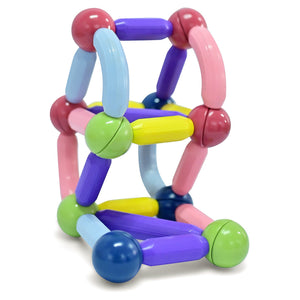
For parents, this means a wider array of products than ever before, from traditional wooden puzzles to advanced STEM kits. However, this proliferation also creates a complex marketplace where discerning genuine educational value from mere marketing claims becomes a significant challenge. The recent news of KV Toys acquiring a stake in Play Panda, for instance, underscores the rapid consolidation and corporate interest in this burgeoning sector, adding to the layers parents must navigate.
Safe Educational Toys India: Decoding Certifications and Materials
With an explosion of options, ensuring toy safety is paramount for every Indian parent. The Bureau of Indian Standards (BIS) certification is your first line of defence. Research shows that toys adhering to BIS standards have undergone stringent testing for chemical content, flammability, and mechanical hazards, providing a foundational assurance of safety.
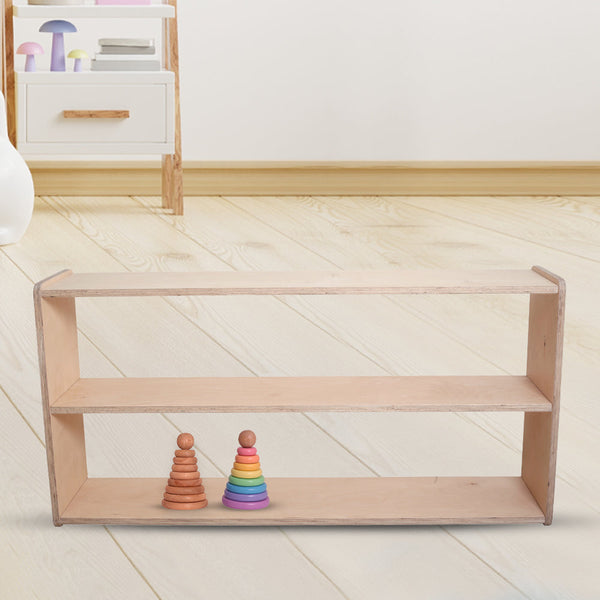
Beyond certifications, always scrutinise the materials. Child development experts agree that natural materials like solid wood, organic cotton, and non-toxic paints are ideal for young children. They are durable, tactile, and free from harmful chemicals often found in cheaper, plastic alternatives. When selecting toys, look for smooth finishes, no sharp edges, and securely fastened components, especially for children under three who explore with their mouths.
Quality Educational Toys India: Beyond the 'Smart' Label
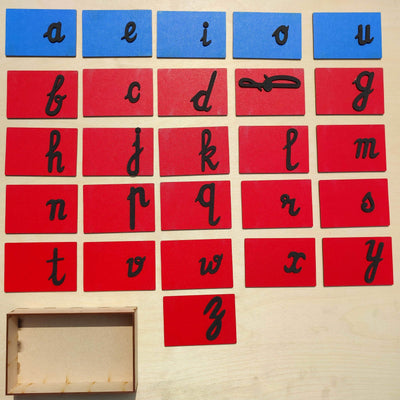
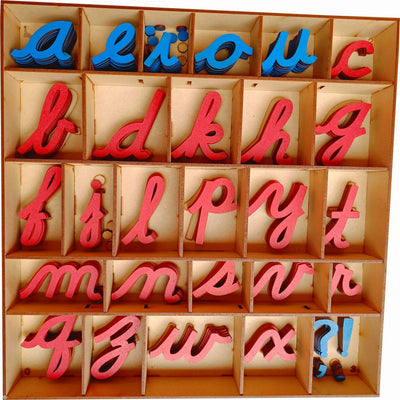
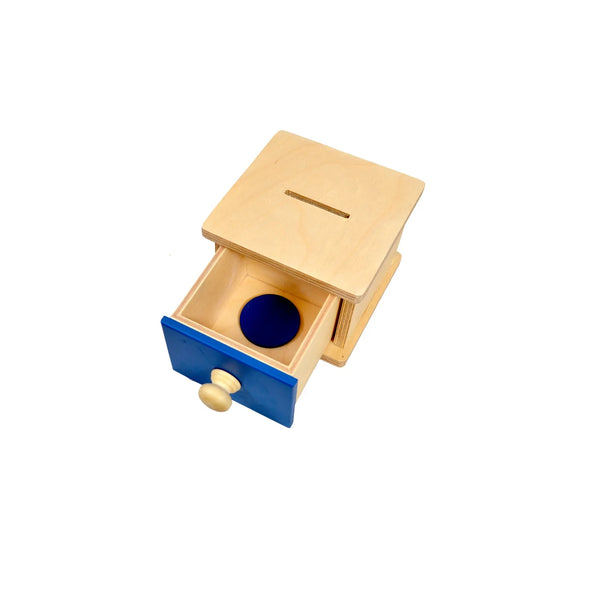
In the quest for educational advantage, many Indian parents are drawn to toys marketed as 'smart' or 'advanced'. However, genuine educational value often lies in simplicity and open-ended play, not in flashing lights or pre-programmed sounds. Maria Montessori's philosophy, for instance, champions materials like the Pink Tower or Sandpaper Letters precisely because they are simple, allow for self-correction, and encourage focused, child-led exploration.
The cultural emphasis on academic achievement, combined with the market's rapid growth, can sometimes push parents towards expensive, over-engineered toys that inadvertently stifle a child's intrinsic curiosity and problem-solving skills. True quality educational toys engage a child's imagination and allow them to discover concepts independently, building foundational skills rather than merely memorising facts. Explore our range of Montessori Method learning materials for examples of purposeful, high-quality design.
Choosing Toys India Growth: Empowering Parents in a Dynamic Market
The impact of toy market growth on parents means a greater need for informed decisions, moving beyond impulse buys or societal pressures. Before purchasing, consider your child's developmental stage and individual interests, not just what their cousins or classmates have. A 2-year-old Aarav in a Bengaluru apartment might thrive with simple stacking blocks, developing hand-eye coordination and spatial awareness, while a 5-year-old might be ready for more complex activity kits that foster creativity and fine motor skills.
Engage grandparents and other family members in understanding these principles, especially during festive gifting seasons where the desire to shower children with gifts is strong. Instead of numerous small, often less durable toys, advocate for fewer, high-quality, and purposeful items. The American Academy of Pediatrics recommends prioritising toys that encourage interaction, creativity, and physical activity over screen-based or passive entertainment. Observing how your child plays with a toy for the first few minutes can often tell you more about its true educational potential than any label.