Buying Educational Toys India: A Parent's Guide
Successfully buying educational toys India requires parents to prioritize BIS safety standards, evaluate material quality and durability, and choose reputable retailers. As India's educational toy market expands rapidly, making informed choices ensures children receive safe, stimulating, and developmentally appropriate learning tools that truly foster growth.
The Indian educational toy market encompasses a wide range of learning aids designed to develop cognitive, motor, and social skills through play. This dynamic sector is growing rapidly, driven by increased parental awareness and a focus on early childhood development across diverse Indian households.
India's educational toys sector is experiencing significant trends and prospects, as highlighted by recent reports. However, this growth also brings challenges, including market fragmentation and the proliferation of products of varying quality. For Indian parents, navigating this evolving landscape means understanding what truly constitutes a safe, high-quality, and valuable educational toy amidst the noise. It is about making smart choices for their children's foundational learning journey.
Understanding Toy Safety Standards in India
Ensuring the safety of educational toys is paramount for every Indian parent. The Bureau of Indian Standards (BIS) certification is the cornerstone of toy safety in the country, mandated to protect children from potential hazards. Research shows that BIS certification is crucial for guaranteeing toys meet essential safety parameters, including limits on harmful chemicals, mechanical safety, and flammability.
When you are buying educational toys in India, always look for the ISI mark on packaging. This mark signifies that the product has been tested and complies with Indian standards. It is particularly important when considering both domestically manufactured and imported toys, as some imported items may not initially meet Indian safety requirements.
Quality Educational Toys India: Beyond the Price Tag
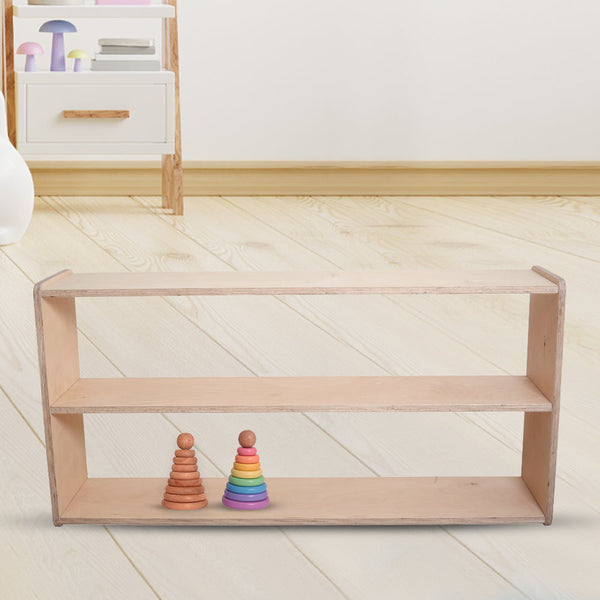
True quality in educational toys transcends mere cost; it lies in their material, design, and developmental impact. Child development experts agree that natural materials like wood, organic cotton, and non-toxic paints are superior for sensory development and durability compared to cheap plastics. These materials provide a tactile richness that engages a child's senses more deeply.
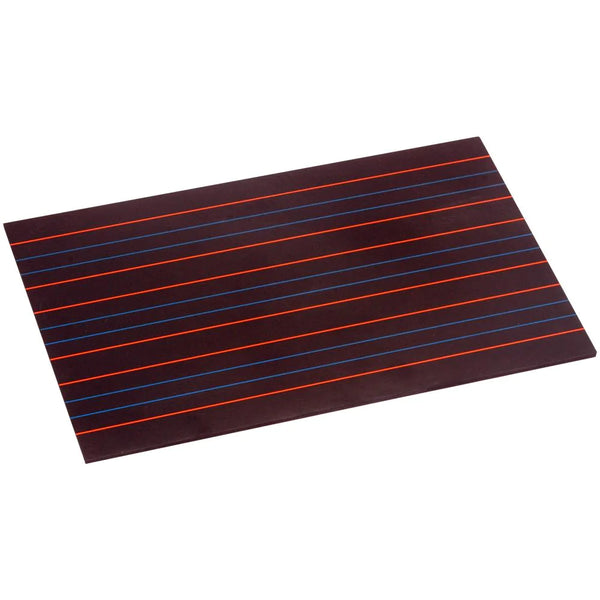
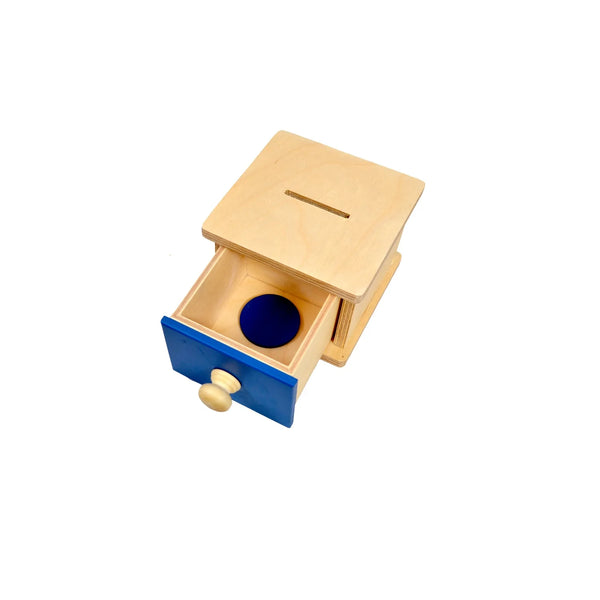
Maria Montessori, a pioneer in early childhood education, emphasized purposeful, self-correcting materials designed for specific learning outcomes. For instance, the Montessori Method Learning Materials such as the Pink Tower aid in understanding dimensions, while Sandpaper Letters facilitate pre-writing skills. When evaluating quality educational toys India, look for sturdy construction, smooth finishes, and a clear learning objective that encourages independent exploration.
Spotting Fake Educational Toys India: A Cautious Approach
The burgeoning Indian toy market, while offering diversity, also presents the challenge of counterfeit products. These imitation toys often lack safety certifications, use sub-standard materials, and can pose significant health risks to children. Studies indicate that counterfeit toys frequently contain lead, phthalates, and other toxic chemicals far exceeding safe limits.
When spotting fake educational toys India, be wary of unusually low prices, flimsy packaging, misspellings on labels, and the absence of brand information or BIS marks. Toys with strong chemical odors, sharp edges, or easily breakable parts are red flags. Always choose reputable retailers, both online and offline, who prioritize product authenticity and safety, like SkilloToys.com.
Value for Money Educational Toys India: A Long-Term Investment
For Indian families, choosing toys that offer true value for money is essential, especially with joint family structures and the desire for long-lasting, beneficial purchases. Value isn't just about the initial price; it's about a toy's durability, versatility, and potential for extended engagement across different developmental stages. An educational toy is an investment in a child's future.
Prioritize open-ended toys such as building blocks, puzzles, or creative activity kits that can be used in multiple ways, fostering imagination and problem-solving. These toys grow with the child, offering new challenges as skills develop. For value for money educational toys India, consider items that promote multiple skills and can be enjoyed by siblings or even passed down through generations, making them a truly smart choice.
Smart Choices for Indian Homes: Integrating Learning
Making smart choices in educational toys means considering the unique context of Indian homes and family dynamics. Toys should be age-appropriate, but also adaptable enough to be enjoyed during family playtime with parents and grandparents. This fosters bonding while subtly reinforcing learning.
Encourage toys that balance academic readiness with holistic development, understanding the pressure Indian children often face in school. Montessori toys, for instance, focus on practical life skills and sensory exploration, providing a well-rounded foundation. The best educational toys are those that seamlessly integrate into daily life, making learning a joyful and natural part of growing up in India.
- BIS certification is essential for toy safety in India.
- Quality educational toys prioritize durable, non-toxic materials like wood.
- Counterfeit toys often contain harmful chemicals; buy from trusted sources.
- Value for money comes from open-ended, multi-use toys that foster development.
- Montessori principles emphasize purposeful, self-correcting learning materials.
- Integrating play with Indian cultural context enhances learning for children.
How do I ensure an educational toy is safe for my child in India?
To ensure toy safety in India, always check for the Bureau of Indian Standards (BIS) certification mark, which guarantees the toy meets national safety parameters. Additionally, inspect the toy for sturdy construction, non-toxic paints, and age-appropriate design without small, detachable parts for young children.
What materials indicate a quality educational toy?
Quality educational toys typically use natural, durable, and non-toxic materials such as solid wood, organic cotton, or food-grade silicone. These materials offer superior sensory experiences, longevity, and are less likely to contain harmful chemicals often found in cheaper plastics.
How can I identify fake or counterfeit educational toys in the Indian market?
Identify fake educational toys by scrutinizing packaging for poor print quality, misspellings, or lack of brand information. Counterfeit products often have flimsy construction, strong chemical smells, sharp edges, and unusually low prices that seem too good to be true. Always purchase from authorized retailers or reputable brands like SkilloToys.com.
What makes an educational toy value for money for Indian families?
An educational toy offers value for money for Indian families when it is durable enough to last for years or be passed down, supports open-ended play across multiple age groups, and encourages various developmental skills. Toys that adapt to a child's evolving interests and promote creativity deliver greater long-term benefit.
Are imported educational toys always better than Indian-made ones?
No, imported educational toys are not inherently superior to Indian-made ones. Many Indian brands now produce high-quality, safe, and culturally relevant educational toys that meet international standards. The focus should be on certifications, material quality, and developmental benefits, irrespective of the country of origin.