Future Educational Toys: Safety & Trends for Indian Parents 2036
Choosing future educational toys is crucial for Indian parents preparing their children for a dynamic world. Research consistently shows that investing in high-quality, durable, and open-ended learning materials significantly impacts a child's long-term development and adaptability. This forward-looking approach ensures toys remain relevant and safe as children grow towards 2036.
Future educational toys are learning tools designed with longevity, adaptability, and core developmental principles in mind, moving beyond fleeting trends to foster essential skills for a child's entire growth journey. This matters because it ensures children develop foundational capabilities, preparing them for an unpredictable future. Indian parents can choose toys that truly grow with their child, supporting sustained learning and holistic development.
The Core of Long-Term Toy Safety in India
Ensuring long term toy safety in India means looking beyond immediate hazards to the enduring quality and composition of playthings. Child development experts, including those affiliated with the Indian Academy of Pediatrics, emphasize that materials must be non-toxic and robust. For example, a wooden rattle used by a 6-month-old should remain splinter-free and safe for a younger sibling years later, even with vigorous play.
When selecting toys, especially for joint families where items are often passed down, prioritize natural materials like sustainably sourced wood, organic cotton, or food-grade silicone. These reduce exposure to harmful chemicals and withstand the test of time, unlike brittle plastics. Research from consumer safety bodies indicates that toys with clear certifications for lead-free paints and phthalate-free plastics offer a safer bet, providing peace of mind for parents in bustling Bengaluru apartments.
Educational Toy Trends for 2036: Beyond the Screen
The educational toy market forecast for 2036, as highlighted by Future Market Insights, points towards significant growth driven by demand for skill-building and experiential learning. However, this doesn't necessarily mean more screens. SkilloToys aligns with experts who champion timeless, open-ended play, arguing it fosters adaptability more effectively than digital alternatives.
True educational toy trends 2036 for India will likely focus on critical thinking, creativity, and emotional intelligence – skills that thrive with simple, multi-purpose tools. Consider how a set of plain wooden blocks encourages spatial reasoning and imaginative construction in young Aarav, whereas a single-purpose electronic gadget offers limited scope for self-directed learning. The Week's insights into India's educational toys sector also underscore a shift towards domestic quality and skill development, moving away from imported, often transient, fads.
Crafting a Sustainable Toy Buying Guide for the Future
A truly sustainable toy buying guide future-proofs your child's play while honoring environmental responsibility. This means opting for toys built to last, designed for open-ended play, and made from eco-friendly materials. A toy that can be used in myriad ways, adapting to a child's evolving interests from 18 months to 6 years, offers immense value.
Think about toys that encourage practical life skills or foster a connection with nature, like gardening activity kits or materials for outdoor exploration. These choices resonate deeply with Indian cultural values of resourcefulness and respect for the environment. Moreover, investing in durable Montessori materials means less waste and a greater potential for toys to become cherished hand-me-downs within the family, from an older sibling to a younger cousin during Diwali celebrations.
The Montessori Advantage: Preparing for 2036
Maria Montessori's philosophy, though over a century old, remains incredibly relevant for preparing children for 2036. Her emphasis on self-directed activity, hands-on learning, and collaborative play builds skills like concentration, independence, and problem-solving. These are precisely the adaptable traits children will need to navigate an unknown future job market and complex social landscapes.
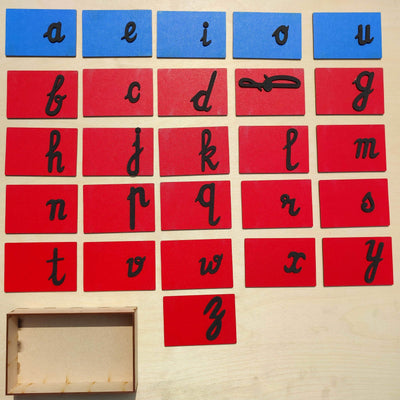
Materials like the Pink Tower, Sandpaper Letters, and practical life exercises teach abstract concepts through concrete experiences. They are self-correcting, allowing children to learn from their mistakes independently, fostering a growth mindset. This intrinsic motivation, cultivated through purposeful play with quality Montessori tools, provides a far more robust foundation than passive consumption of rapidly evolving digital content.
As you envision your child's future, remember that the most valuable investment isn't in the latest tech gadget, but in foundational experiences. By prioritizing timeless safety, true educational value, and sustainable choices, Indian parents can empower their children with the adaptable skills and enduring curiosity needed to thrive in 2036 and beyond. Choose toys that encourage imagination, build resilience, and celebrate the joy of discovery, truly future-proofing their play.