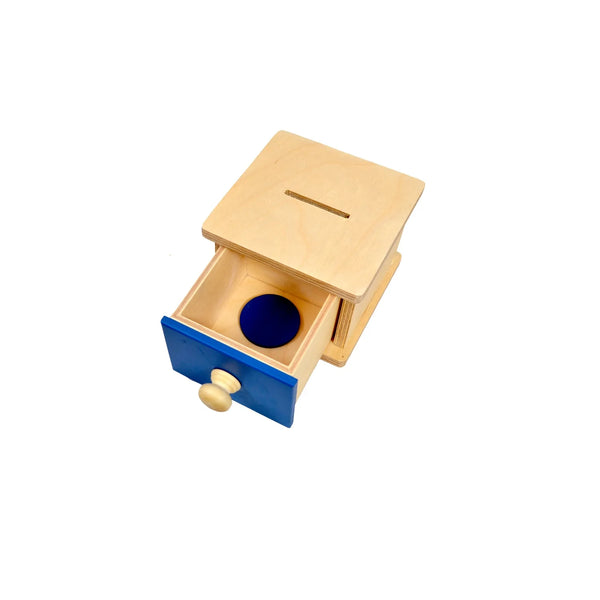
Safe Board Games for Kids: The India Buying Guide
Choosing the right board games for kids in India is a critical decision for discerning parents, directly impacting a child's safety and developmental journey. Research shows that educational board games, when carefully selected, are powerful tools for fostering cognitive skills, social-emotional growth, and family bonding within the unique dynamics of Indian households. This guide provides comprehensive insights into making informed choices that prioritize both safety and learning.
In the vibrant tapestry of Indian parenting, ensuring a child's playtime is both safe and stimulating holds immense importance. From joint family evenings to quiet afternoons, board games offer a rich, screen-free avenue for engagement. This expert guide from SkilloToys empowers you to navigate the vast market, ensuring every game you bring home contributes positively to your child's growth and well-being.
What Are Educational Board Games and Why Do They Matter?
Educational board games are structured play experiences designed with specific learning objectives, encouraging critical thinking, problem-solving, and social interaction through rules and challenges. This matters because they provide a playful yet potent alternative to screen time, stimulating intellectual curiosity and practical life skills. Indian parents can leverage these games to build foundational academic skills while nurturing patience and collaboration from a young age.
Prioritizing Safety: Crucial for Safe Board Games for Kids in India
The safety of any toy is non-negotiable, especially for young, curious minds. When selecting activity kits or board games, always scrutinize materials and construction. Studies consistently indicate that toy-related injuries, though rare, often stem from small parts for children under three or poor material quality, highlighting the need for vigilance.
A 2022 report by the Bureau of Indian Standards (BIS) emphasized the paramount importance of ISI mark certification for toys, including board games, highlighting its role in safeguarding children from hazardous materials and design flaws. Ensure the game's components are non-toxic, lead-free, and made from durable, child-safe plastics or sustainable wood. Check for sharp edges, splinters, or easily detachable small parts that could pose choking hazards, particularly for toddlers who explore with their mouths.
Choosing the Best Board Games in India: A Parent's Checklist
Selecting the ideal educational board game involves considering several key factors tailored to the Indian family context. The aim is to find games that entertain, educate, and endure the loving chaos of busy households and festive gatherings.
Age-Appropriateness and Developmental Stages
Maria Montessori's philosophy advocates for environments tailored to a child's developmental stage, and this applies directly to game selection. For instance, simple matching or sorting games suit children aged 3-5, enhancing concentration and fine motor skills, much like foundational Montessori sensorial materials. As children grow, complex strategy games for those 6+ years build logical reasoning, forward-thinking, and problem-solving abilities crucial for academic success in Indian schools.
Educational Value and Skill Development
The core of any good kids learning game lies in its ability to foster holistic development. Look for games that target specific skills: literacy and numeracy for early learners, strategic thinking and critical analysis for older children, or social-emotional skills like empathy and cooperation. These games can significantly reduce school pressure by making learning an enjoyable, natural process.
Durability and Sustainability
Given the multi-generational nature of many Indian homes, board games must be built to last. Opt for robust materials and sturdy construction that can withstand repeated play sessions, storage, and even occasional tumbles. Sustainable, eco-friendly options also teach children about environmental responsibility, a value increasingly cherished by conscious Indian parents.
Engaging Themes and Replayability
The best board games capture a child's imagination and offer endless replay value. Look for themes that resonate with your child's interests or even those that introduce them to new cultures, histories, or scientific concepts. Games that evolve with the child or offer different levels of complexity ensure long-term engagement, making them a worthwhile investment for the entire family.
Montessori Board Games: Fostering Independent Learning and Development
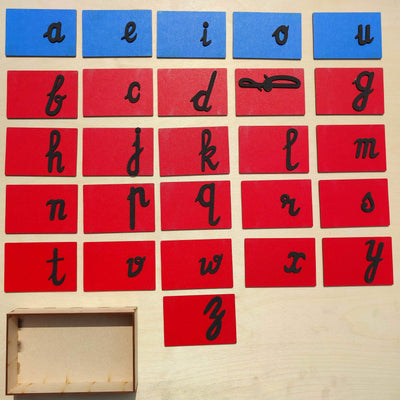
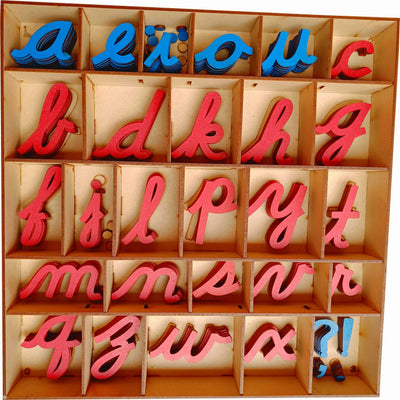
Montessori education emphasizes hands-on learning, self-correction, and fostering a child's innate curiosity. Many Montessori board games naturally align with these principles, providing a structured yet free environment for exploration. They often encourage concentration, problem-solving, and a deeper understanding of concepts through tangible interaction, much like the famous Pink Tower or Sandpaper Letters.
Educational research consistently demonstrates that children engaged in Montessori-aligned activities exhibit enhanced problem-solving abilities and a deeper understanding of abstract concepts, transferring these skills to real-world scenarios. These games empower children to learn at their own pace, fostering independence and a love for learning that extends beyond the board.
Navigating the Indian Market for Educational Board Games
India's educational toys sector is witnessing unprecedented growth, with local innovations like those highlighted by India Today, where math games are transforming learning for thousands of students. This vibrant landscape, recently underscored by developments such as KV Toys acquiring a stake in Play Panda, offers a plethora of options for discerning parents. However, it also necessitates a keen eye for quality and safety.
When exploring the market, support brands that prioritize ethical manufacturing and transparent sourcing. SkilloToys.com is dedicated to curating a collection of safe, high-quality activity kits and board games that meet stringent safety standards and offer genuine educational value, helping parents make confident choices.
Beyond Play: Board Games for Family Bonding in Indian Homes
Board games are more than just learning tools; they are powerful catalysts for family bonding, especially cherished in Indian joint families. Gatherings during festivals like Diwali or simply a weekend afternoon provide perfect opportunities for grandparents, parents, and children to connect over a shared game. These interactions teach invaluable social skills: turn-taking, patience, communication, and gracefully accepting both victory and defeat. They create lasting memories and strengthen familial ties, a cornerstone of Indian culture.
- Prioritize BIS-certified, non-toxic materials for children's board games in India.
- Age-appropriateness ensures engagement and prevents choking hazards for younger children.
- Educational board games enhance cognitive, social, and emotional development.
- Montessori principles promote self-correction, concentration, and hands-on learning.
- Look for durability and replayability to ensure long-term value in Indian households.
- Board games foster family bonding, critical thinking, and social skills like turn-taking.
What age can kids start playing board games?
Children can start engaging with simple board games as early as 2-3 years old, focusing on basic concepts like matching, sorting, and color recognition. As they grow, games introduce more complex rules, turn-taking, and strategic thinking appropriate for their developmental stage.
How do board games help child development?
Board games significantly boost cognitive development through problem-solving and critical thinking, while also fostering crucial social skills like sharing, negotiation, and gracious winning or losing. They also enhance language skills, memory, and concentration in a fun, interactive way, complementing learning materials from our Montessori collection.
What are the key safety features to look for in board games for kids?
Always prioritize board games made from non-toxic, durable materials, ensuring they are free from small parts that could pose a choking hazard for younger children. Look for BIS (Bureau of Indian Standards) certification or international safety standards like EN71, confirming rigorous testing for safety and quality.
Are Montessori board games different from regular board games?
Montessori-aligned board games are designed with specific educational objectives, often featuring self-correcting mechanisms and hands-on components that promote independent learning and concentration. While all educational board games aim to teach, Montessori ones often emphasize practical life skills, sensorial exploration, and a deeper understanding of concepts.
How can I ensure board games are truly educational for my child?
To ensure educational value, select games that align with your child's current developmental stage and interests, focusing on skills you wish to nurture like numeracy, literacy, or strategic thinking. Research reviews and expert recommendations can also guide you towards games that offer proven learning benefits and sustained engagement.