Activity in Marathi: Fun Preschool Games for School Readiness
Engaging in play-based activity in Marathi is unequivocally vital for preschoolers across India to develop robust school readiness skills, ensuring a smooth transition into formal education. Research consistently demonstrates that early exposure to mother tongue through interactive play builds strong cognitive foundations and cultural identity, crucial for a child's holistic development.
For many Indian parents in Bengaluru and beyond, the thought of preschool, LKG, or UKG can bring a mix of excitement and anxiety. Ensuring children are not just ready academically but also linguistically and culturally confident is a priority. This blog post offers practical, fun Marathi activities to prepare your child for school, fostering a love for their mother tongue through engaging play.
What is School Readiness in the Indian Context?
School readiness, particularly in the Indian context, signifies a child's preparedness across multiple developmental domains – social, emotional, cognitive, and linguistic – to thrive in a formal learning environment. This matters immensely because strong early learning foundations are critical for a child's future academic success and overall well-being, as stressed by educational leaders like the EuroKids CEO. Indian parents can actively foster this readiness by providing rich, stimulating home environments that prioritize play-based learning and mother-tongue development.
This holistic approach contrasts sharply with merely rote memorization, promoting genuine curiosity and problem-solving skills. Child development experts agree that a well-rounded preschool experience, supported by home activities, sets the stage for a lifetime of learning.
Fun Marathi Activities for Preschoolers: Building School Readiness Through Play
Integrating play into your child's learning journey is the most natural and effective way to prepare them for school. Rather than drills, consider activities that encourage exploration, interaction, and joyful discovery. These experiences not only teach Marathi but also develop essential motor skills, creativity, and social understanding.
Children in rural India, for example, often engage in traditional games and daily chores that naturally build many of these foundational skills, highlighting the power of informal, play-based learning. For urban parents, intentionally incorporating such play ensures their children receive similar benefits, tailored to their home environment.
Marathi Learning for Kids Through Play
Everyday routines offer countless opportunities for Marathi learning. While cooking, ask your child to name vegetables in Marathi – 'batata,' 'kanda,' 'mirchi.' During bath time, sing Marathi rhymes about body parts or counting. These simple interactions build vocabulary naturally and make learning an enjoyable part of family life, often involving grandparents who can share traditional stories and songs.
Storytelling, especially traditional Marathi folktales, is a powerful tool. Use puppets or even hand gestures to bring characters to life. This sparks imagination, improves listening skills, and exposes children to narrative structures, preparing them for more complex literacy tasks later on.
Preschool Activities Marathi Parents Can Do at Home
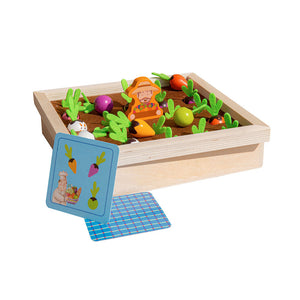
Many activities can be adapted to foster preschool activities Marathi style. Create a 'Marathi corner' with books and simple puzzles. Sorting clothes by colour, counting them in Marathi ('ek,' 'don,' 'teen'), or asking 'ha rang kutla?' (what colour is this?) turns a chore into a language lesson. These practical life activities, inspired by Montessori principles, develop fine motor skills and independence.
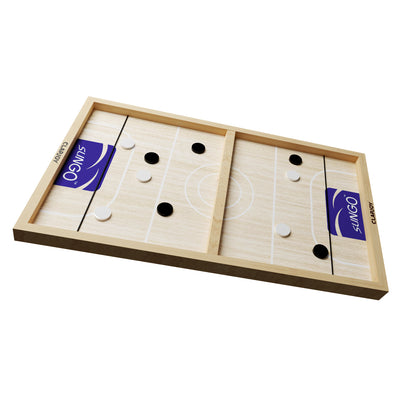
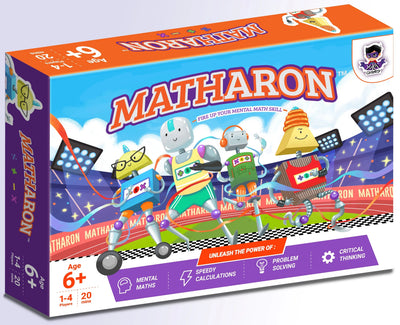
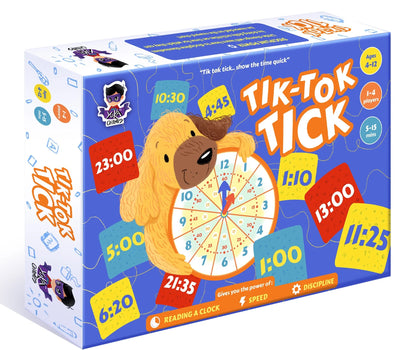
Simple board games or card games, where players name colours, numbers, or objects in Marathi, are excellent for reinforcing vocabulary and turn-taking skills. Engaging in these games as a joint family makes learning a communal and cherished experience, building strong familial bonds alongside linguistic proficiency.
Montessori Marathi Activities for Language Development
Maria Montessori's philosophy emphasizes hands-on, self-directed learning, which is perfectly suited for language acquisition. By providing concrete materials, children absorb concepts naturally, moving from the tangible to the abstract. This approach ensures that Marathi language development is deeply ingrained, not just memorized.
For example, using a set of Montessori Method Learning Materials can be adapted for Marathi. Labeling objects around the house with their Marathi names on cards helps associate words with real items, strengthening vocabulary and early reading skills.
Engaging Marathi Rhymes for Toddlers
Rhymes are fundamental for early language development. They introduce rhythm, phonetics, and new vocabulary in a playful, memorable way. Popular Marathi rhymes for toddlers like 'Kolha Kolha Kolhu' or 'Mee Aai, Tu Baai' engage children, helping them develop an ear for the language and prepare them for reading. Singing these rhymes together also strengthens parent-child bonding.
Consider creating a 'rhyme book' with your child, drawing pictures for each line. This tactile experience enhances memory and fosters creativity. Resources like Montessori Language Materials can further support phonetic awareness, introducing sounds and letters systematically in Marathi.
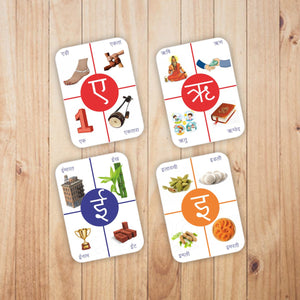
For slightly older preschoolers, introducing Sandpaper Letters for Devanagari script offers a tactile way to learn letter shapes and sounds. This sensorial experience grounds abstract concepts in physical reality, making learning the Marathi alphabet intuitive and engaging, rather than a frustrating exercise.
Cultivating Marathi Language Development in Early Years
A strong foundation in Marathi language development during the early years has profound benefits. Research indicates that children who engage in language-rich play before age five have significantly better literacy outcomes and demonstrate higher cognitive flexibility. This early investment in mother tongue strengthens a child's overall linguistic framework, making it easier to learn English or other languages later.
Grandparents often play a vital role in this process, sharing stories, songs, and traditions in Marathi, acting as living libraries of culture and language. This intergenerational interaction enriches a child's linguistic environment and reinforces their cultural roots, fostering a strong sense of identity.
To counter the trend of children attempting to swipe physical books, encourage regular reading of Marathi storybooks. Make storytime a cherished ritual, turning pages together, pointing out words, and discussing the characters and plot in Marathi. This tactile engagement with books is crucial for developing pre-reading skills and a lifelong love for literature.
Furthermore, consistent, everyday conversation in Marathi is key. Ask open-ended questions like 'आज तू काय शिकलास?' (What did you learn today?) or 'आपण कोणत्या खेळ खेळूया?' (Which game should we play?). These simple practices not only enhance Marathi language development but also foster critical thinking and communication skills, vital for school readiness. SkilloToys offers a range of Montessori educational toys that can be seamlessly integrated into these language-rich play experiences.
- Engaging in play-based activity in Marathi is crucial for preschoolers' holistic school readiness.
- Early exposure to mother tongue strengthens cognitive skills and cultural identity, as research consistently shows.
- Montessori principles, like practical life activities and sensorial materials, can effectively support Marathi language development.
- Simple Marathi rhymes and storytelling are fundamental tools for building vocabulary and phonetic awareness.
- Consistent, everyday conversations and reading Marathi storybooks are vital for fostering strong linguistic foundations.
- Intergenerational interactions with grandparents significantly enrich a child's Marathi learning journey.