Early Childhood Care & Education India: Boosting School Readiness
When you hear about national reforms in education, it's natural to wonder what they mean for your child. In India, the ongoing improvements in Early Childhood Care and Education (ECCE) are specifically designed to provide a stronger foundation for every child's future learning journey. These efforts, particularly the infusion of 'technical support', aim to transform policies into practical, impactful changes in classrooms, ensuring your little one is truly prepared for school.
Technical support in Early Childhood Care and Education India involves expert assistance provided to early learning centers and educators. This support includes developing quality curriculum frameworks, offering specialized training for teachers, creating age-appropriate learning resources, and establishing robust monitoring and evaluation mechanisms. It matters because it ensures a consistent, high standard of early learning that prepares children holistically for primary school.
ECCE Reforms India: Bridging Policy with Practice
The National Education Policy (NEP 2020) places a significant emphasis on strengthening ECCE, recognizing that the first six years are crucial for a child's development. But how does a national policy translate into better experiences for a 3-year-old like Aarav in Chennai or a 4-year-old girl in a Bengaluru joint family? This is where 'technical support' plays a pivotal role.
It's not just about drafting new rules; it's about equipping educators with the 'how-to'. Research shows that well-trained teachers are the cornerstone of effective early learning. These reforms are focusing on standardized training modules for anganwadi workers and preschool teachers, ensuring they understand child development stages and effective pedagogical approaches. NCERT's curriculum frameworks, for instance, are being actively disseminated and supported by technical teams to ensure practical implementation, moving away from rote learning towards experiential engagement.
Elevating Quality Preschool India Through Expert Guidance
Technical support brings a wealth of expertise directly into the early learning ecosystem. Imagine a preschool in a bustling urban area or a small town where teachers are now receiving regular mentorship on child psychology, play-based learning, and even setting up stimulating environments. This guidance helps in creating spaces where children feel safe, curious, and motivated to explore.
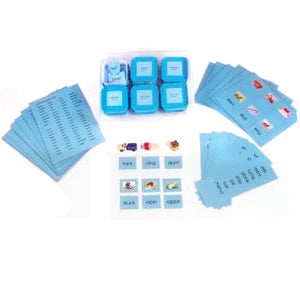
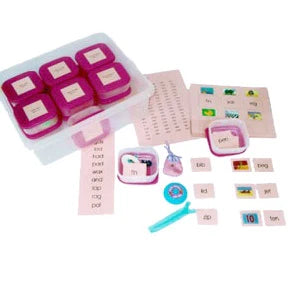
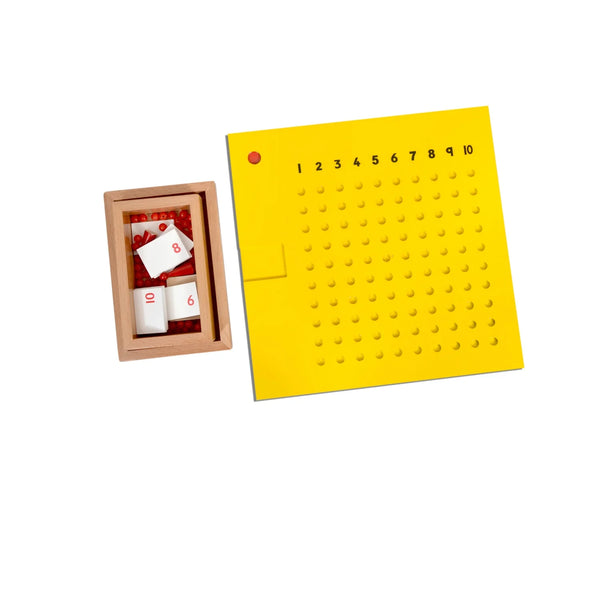
Child development experts agree that a prepared environment, rich with opportunities for exploration, is vital for young minds. Maria Montessori, a pioneer in early education, always emphasized the importance of a 'guide' (teacher) who understands the child's developmental needs and offers appropriate Montessori learning materials. Technical support initiatives echo this by focusing on capacity building, helping educators transform their classrooms into dynamic learning hubs, rather than just places for instruction.
School Readiness India: Beyond ABCs and 123s
For Indian parents, the phrase 'school readiness' often brings to mind a child who can recite the alphabet or count to a hundred. However, the ECCE reforms, bolstered by technical support, are shifting this perspective. True school readiness, experts confirm, encompasses a much broader spectrum of skills: self-regulation, problem-solving, curiosity, social interaction, and fine motor development.
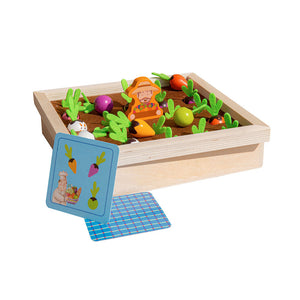
Consider a 5-year-old mastering a puzzle or patiently building a tower with educational wooden blocks. These activities, often seen as simple play, are actually building crucial executive function skills – the ability to plan, focus attention, and manage tasks. This non-obvious insight is key: pushing academic content too early can hinder the development of these more foundational skills. The reforms aim to ensure that children develop these essential capacities through guided play and hands-on experiences, making their transition to primary school smoother and more joyful, rather than stressful.
Montessori Early Education India: A Natural Fit for New Reforms
The principles of Montessori education inherently align with the holistic and child-centric goals of India's ECCE reforms. With its emphasis on sensitive periods, self-directed activity, and learning through concrete manipulation, Montessori provides a proven framework for quality early learning.
When a child works with practical life materials, like pouring water or buttoning a shirt, they are not just developing fine motor skills; they are building concentration, independence, and a sense of accomplishment. These are precisely the outcomes the national ECCE reforms are striving for – confident, capable learners ready to engage with the world. By embracing child-led exploration and prepared environments, Montessori methodology serves as an excellent model for achieving the enhanced quality targets set by the government's technical support initiatives.
Empowering Parents: What This Means for Your Child's Future
Understanding these behind-the-scenes efforts can empower you as a parent. These reforms are not distant policies; they are active improvements designed to benefit your child's early years. You can look for preschools that demonstrate these modern teaching practices: engaging activities over rote learning, fostering social-emotional skills, and promoting independence.
The commitment to strengthening Early Childhood Care and Education in India means a more promising start for every child. You can further support your child at home by providing opportunities for open-ended play, reading together, and encouraging their natural curiosity. During dinner tonight, for instance, ask your child to describe their day using new words they learned, or challenge them to tell you a story from beginning to end. These simple interactions reinforce the foundational skills being nurtured through these vital national reforms.