NEP 2020 Early Learning India: School Readiness Revolution
NEP 2020 early learning India initiatives are fundamentally reshaping how young children aged 3-8 prepare for school, moving beyond rote memorization towards holistic development and critical thinking. This transformative National Education Policy, actively implemented across India in 2026, focuses on foundational literacy and numeracy, ensuring every child builds a strong base for future learning. Parents can feel confident knowing this new framework aims for a more joyful and effective start to their child's educational journey, aligning with the spirit of India's early learning revolution.
NEP 2020's Foundational Stage is a 5-year period (ages 3-8) that prioritizes play-based, activity-based, and discovery-based learning rather than formal textbooks. This matters because it builds crucial cognitive, physical, social, and emotional skills essential for lifelong learning. Indian parents can actively support this by fostering a rich, stimulating environment at home with purposeful play and conversation.
NEP 2020 School Readiness: Beyond Rote Learning
For generations, Indian parents have felt the immense pressure of school admissions, often equating early learning with academic drills. However, NEP 2020 marks a significant shift, advocating for a foundational learning India approach that values comprehensive development over mere memorization. This new policy recognizes that true school readiness means a child is not just academically capable but also emotionally resilient, socially adept, and physically coordinated.
Child development experts agree that the early years, specifically 18-24 months and onwards, are critical for cognitive and socio-emotional growth. The government's call for Expressions of Interest for technical support to Early Childhood Care and Education across India underscores the active implementation and resource allocation towards NEP 2020's goals. This commitment ensures that the revolution in early education is well-supported.
Montessori NEP Alignment: The Power of Purposeful Play
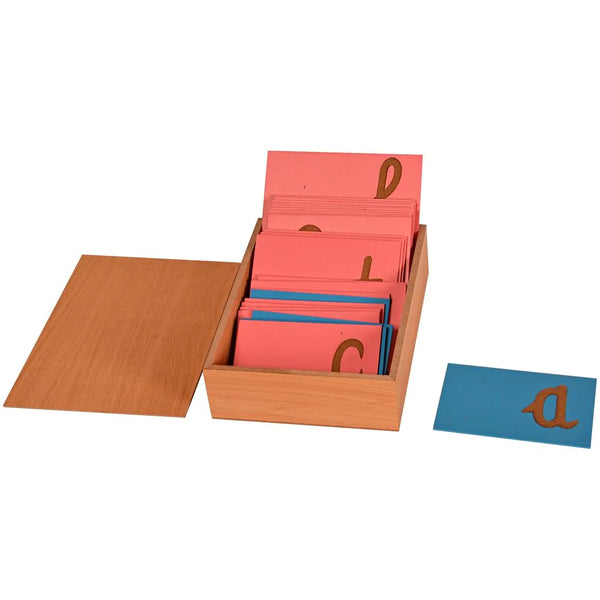
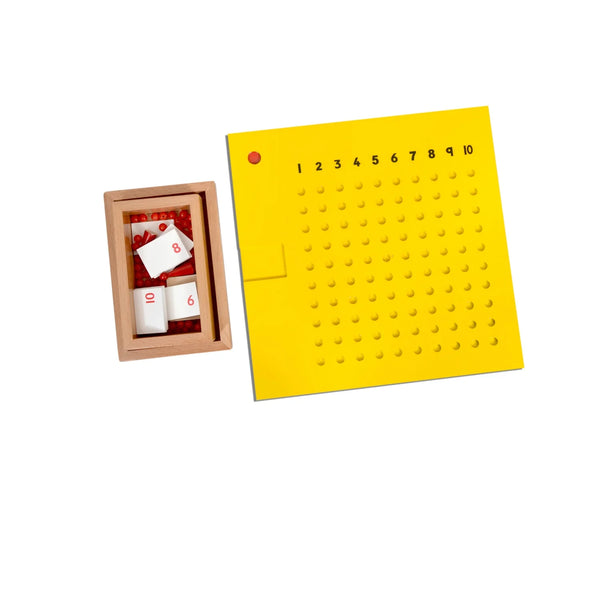
At the heart of NEP 2020's Foundational Stage lies the principle of learning through play and discovery. This resonates deeply with the Montessori philosophy, pioneered by Dr. Maria Montessori, which has long championed self-directed learning in a prepared environment. Research shows that children who engage in hands-on, self-correcting activities develop stronger problem-solving skills and a deeper understanding of concepts.
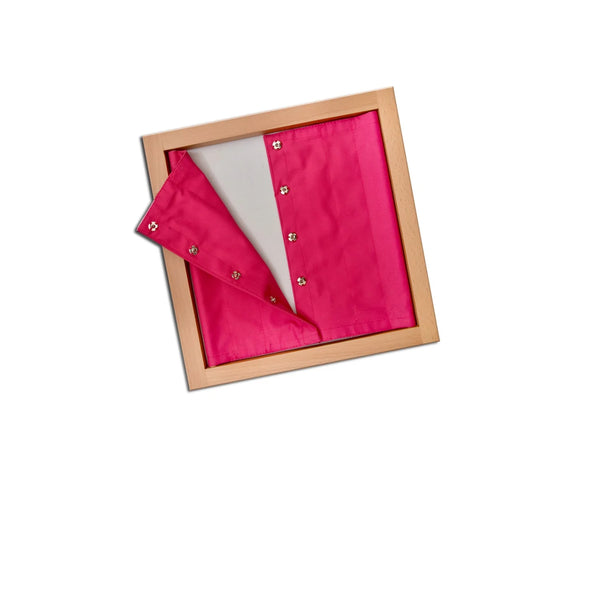
Consider the Montessori sensorial materials, like the Pink Tower, which naturally introduces concepts of size and sequence without explicit instruction. Or the practical life activities, mirroring daily chores at home, that build concentration and fine motor skills. These experiences prepare a child for formal learning by cultivating intrinsic motivation and a love for discovery, a direct alignment with the early education revolution India is embracing.
Building Foundational Skills at Home: Practical Steps for Parents
You don't need a dedicated classroom to support your child's foundational learning. Your home, especially within a joint family setting, offers countless opportunities. Engage your 3-year-old in simple tasks like sorting lentils (fine motor) or helping with chapati dough (sensory input). These aren't just chores; they are valuable learning experiences that build vital skills. Studies indicate that a rich home environment significantly boosts a child's foundational literacy and numeracy.
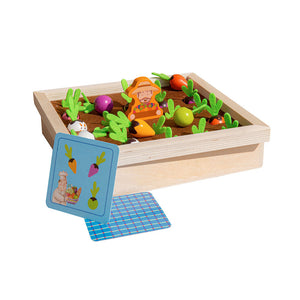
For instance, introduce wooden blocks for imaginative construction, or puzzle sets for spatial reasoning. During festivals, involve your child in decorating, counting diyas, or sharing sweets, naturally integrating cultural resonance with numerical concepts. This practical engagement helps prepare them for LKG and UKG, making learning a part of everyday life rather than a separate, stressful activity.
Nurturing the Whole Child: Beyond Academics
NEP 2020 emphasizes the holistic development of the child, acknowledging that social and emotional well-being are as important as academic prowess. This means fostering empathy, cooperation, and self-regulation. Understanding the diverse early years experiences of children, particularly in rural India, is crucial, and NEP 2020 aims to bridge gaps, ensuring quality foundational learning reaches every child, whether in a bustling city or a remote village.
Even globally, the importance of early education is recognized; for example, Roger Federer's foundation has helped expand early education across Southern Africa, highlighting a universal commitment to giving children a strong start. For Indian children, this means encouraging storytelling with grandparents, sharing toys with cousins, and engaging in outdoor play – activities that build vital social and emotional intelligence, often more effectively than structured lessons.
A Confident Start: Preparing for LKG/UKG in the New Era
As parents, you now have a clearer roadmap for your child's early years. The shift under NEP 2020 offers a reassuring perspective: focus on joyful learning, curiosity, and holistic growth, not just memorizing alphabets and numbers. This foundational learning India approach is designed to make the transition to LKG and UKG smoother and more engaging for your child.
Tonight, instead of drilling flashcards, invite your 4-year-old to help set the dinner table, counting plates and spoons. Ask them to describe their favourite part of the day, encouraging language development. These small, consistent interactions build the foundational skills and confidence that NEP 2020 champions. By embracing these principles, you are not just preparing your child for school; you are equipping them for a lifetime of learning and discovery.