Best Preschools in India: A Montessori Parent's Guide
Finding the best preschools in India requires a deeper look beyond colourful classrooms and popular names. For Indian parents, navigating this crucial decision for their child's LKG or UKG journey can be filled with anxiety and endless questions. What truly separates an exceptional preschool, one that genuinely prepares a child for lifelong learning, from merely an adequate one?
The distinction lies in a profound commitment to child-centric pedagogy, highly trained educators, a thoughtfully prepared environment, and a focus on fostering intrinsic motivation and practical life skills. These elements ensure holistic development and genuine school readiness, moving beyond rote learning to cultivate independent, confident learners ready for the challenges ahead.
What is School Readiness in the Indian Context?
School readiness, in the context of Indian preschools, refers to a child's holistic development across emotional, social, cognitive, and physical domains, enabling them to comfortably adapt and thrive in a formal learning environment. This readiness means a child can follow instructions, engage with peers, manage their personal needs, and approach learning with curiosity, rather than just knowing alphabets or numbers by rote.
Beyond the Brochure: Evaluating Preschool Quality India
It's easy to be swayed by impressive infrastructure or large play areas, but the heart of a quality preschool beats in its philosophy and its people. Research from institutions like the Harvard Center on the Developing Child emphasizes that responsive, nurturing relationships and stimulating environments are paramount for early brain development. For Indian parents, this means looking beyond what's superficial.
Consider a situation common in Bengaluru's bustling localities: parents often choose a preschool based on proximity or the number of English rhymes taught. However, a truly exceptional setting focuses on the "how" and "why" of learning. This includes the subtle interactions between teachers and children, the purposeful design of activities, and an overall atmosphere that encourages independence, much like children in rural India learn through observing and participating in daily household tasks.
Montessori Preschool Criteria: Observing the Prepared Environment
A cornerstone of what makes many of the best preschools truly stand out is their adherence to a well-defined educational philosophy, such as the Montessori Method. Maria Montessori championed the "prepared environment" – a space designed to allow children to learn independently at their own pace. This isn't just about having specific materials; it's about how those materials are presented and how the entire space fosters concentration and self-discovery.
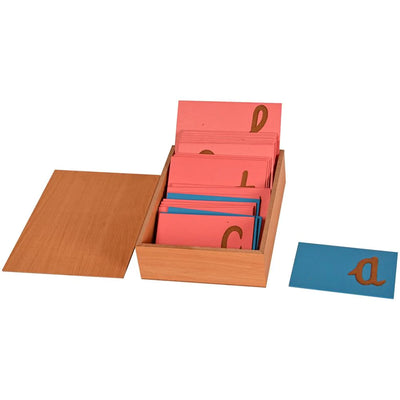
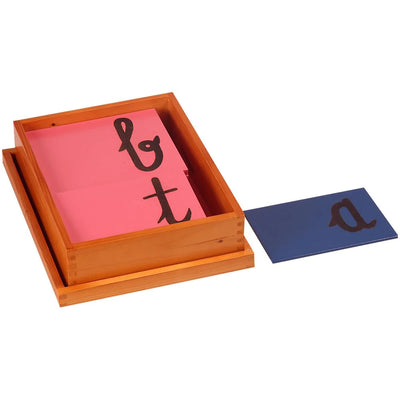
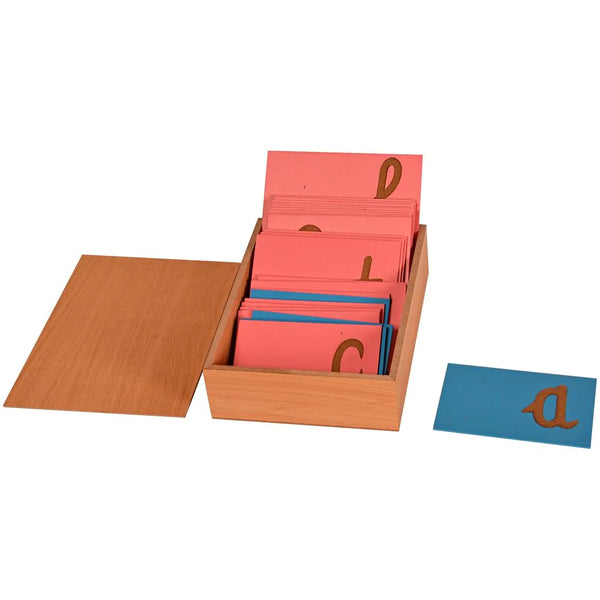
When you visit, observe if the classroom, or "Children's House," has clearly defined areas for practical life, sensorial exploration, language, and mathematics. Are the materials like the Pink Tower or Sandpaper Letters accessible to children? Are the children actively engaged in purposeful work, rather than just waiting for instructions? The quiet focus of a child meticulously pouring water from one jug to another, or carefully arranging geometry shapes, speaks volumes about the environment's effectiveness.
The Educator's Role: The Unsung Heroes of Early Childhood Education
Child development experts agree that the quality of early childhood education is directly tied to the training and disposition of its educators. In the best preschools in India, teachers are not merely instructors; they are guides and observers. They understand child psychology, are adept at identifying sensitive periods, and know how to present materials in a way that sparks curiosity.
An ideally trained Montessori directress, for instance, has undergone extensive training, often beyond a standard B.Ed. She doesn't interrupt a child's concentration but rather observes their engagement, offering assistance only when truly needed. This approach fosters a child's intrinsic motivation and builds confidence – qualities far more valuable for school readiness than rote memorization. Ask about teacher-to-child ratios, but more importantly, inquire about teacher training and their approach to guiding children, not just managing them.
Fostering Independence and Life Skills: A Montessori Advantage for School Readiness Preschool
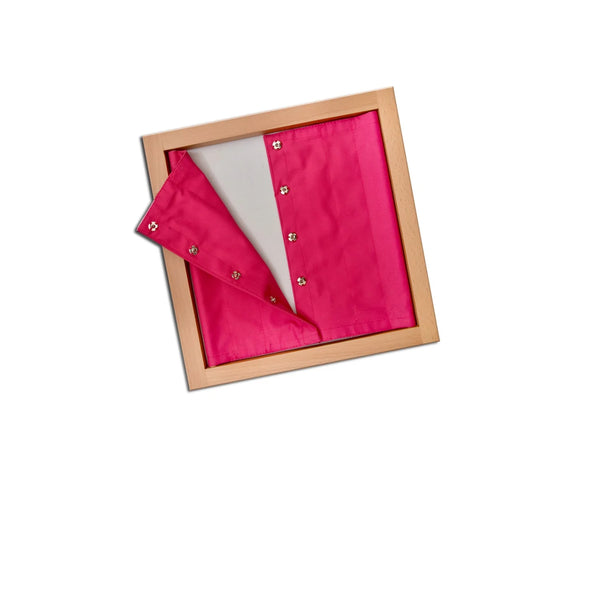
One non-obvious insight often overlooked by parents is that true school readiness extends far beyond academic drills. It encompasses a child's ability to be independent, to problem-solve, and to care for themselves and their environment. This is where a robust preschool, particularly one with a Montessori foundation, excels. Children are encouraged to dress themselves, clean up spills, prepare simple snacks, and care for plants – practical life skills that build self-efficacy.
Consider 4-year-old Vivaan, who, after attending a Montessori preschool in Pune, confidently helps his Dadi set the dinner table and politely offers help to his younger cousin. These aren't just "good manners"; they are reflections of a deeply ingrained sense of responsibility and self-worth fostered by purposeful work. NCERT's National Curriculum Framework for Foundational Stage (2022) emphasizes play-based learning and the development of essential life skills, echoing Montessori principles that have been around for over a century.
Parental Involvement and Communication: A Partnership for Growth
The best preschools in India understand that parents are crucial partners in a child's educational journey. They don't just send report cards; they engage in meaningful dialogue, offering insights into a child's development and suggesting ways to support learning at home. This partnership is especially vital in joint family setups, where grandparents also play a significant role in a child's early experiences.
Look for schools that offer regular parent workshops, open-door policies (within reason), and clear communication channels. A strong parent-teacher connection ensures consistency between home and school, reinforcing positive habits and learning. For example, if your child is working with geometric solids at school, a good teacher might suggest observing shapes in your home environment, connecting abstract concepts to real-world objects.
Making Your Informed Decision: Beyond the Surface
Ultimately, selecting the best preschool involves rigorous observation and thoughtful questioning. It's about seeing the educational philosophy in action, assessing the quality of interactions, and understanding how the environment fosters true independence and a love for learning. Do children appear joyful and purposeful? Do teachers observe more than they instruct? Is there a clear pathway for communication and collaboration with parents?
By asking these deeper questions, you move past the initial anxieties and gain confidence in choosing a preschool that truly aligns with your child's developmental needs and your aspirations for their future. This diligent research ensures that your child isn't just attending "a" school, but thriving in "the" school that will lay a robust foundation for a lifetime of curiosity and achievement.