Choosing Preschool India New Age Rule: Your Guide
The recent policy shifts across India, raising the Class 1 entry age to six, has brought a flurry of questions for parents. Navigating the journey of choosing preschool India new age rule requires a thoughtful approach, focusing on what truly benefits your child's foundational years. Rather than seeing this as a 'delay,' child development experts view it as a valuable opportunity for deeper, play-based learning, setting a stronger base for future academic success.
Many Indian parents, especially in bustling cities like Bengaluru, are now seeking clarity on how to best utilize this extended preschool period. This guide aims to provide reassurance and practical steps for selecting a preschool that aligns with this new educational landscape.
Understanding India's New Class 1 Age Rule
The National Education Policy (NEP) 2020 advocates for a universal entry age of 6+ years for Class 1 across all states, moving away from previous variations. This change, exemplified by decisions in states like Goa, means that many children will now spend an additional year within the early childhood education framework before formally entering Class 1. This isn't just a number change; it's a recalibration of what constitutes 'school readiness.'
The goal is to ensure children are developmentally ready, not just academically prepared through rote learning. Research from organisations like the Harvard Center on the Developing Child consistently highlights the critical importance of early years for brain development, emphasizing play and social-emotional growth over premature academic pressure. This extended period, therefore, becomes a gift of time.
Preschool Selection India Delayed Entry: Why the Extra Year Matters
With children spending longer in preschool, the emphasis shifts from merely 'keeping them busy' to fostering profound, holistic development. This additional year allows for:
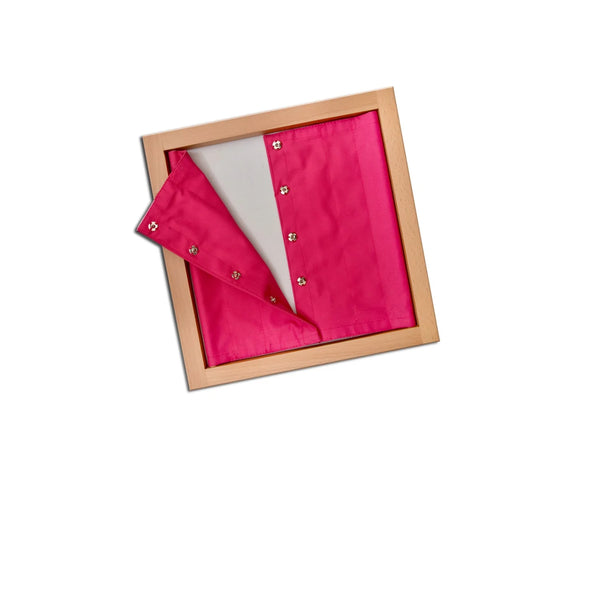
- Deeper Skill Consolidation: More time to master fine motor skills through activities like buttoning or pouring, crucial for writing later.
- Enhanced Social-Emotional Growth: Extended opportunities to practice sharing, conflict resolution, and empathy in a group setting.
- Language and Cognitive Flourishing: Richer exposure to storytelling, vocabulary expansion, and problem-solving games without the pressure of formal assessments.
- Physical Development: Ample time for gross motor activities like running, climbing, and balancing, vital for overall coordination and concentration.
The extra year provides a buffer, allowing each child to progress at their unique pace, a cornerstone of effective early childhood education.
What to Look for in a Preschool India: Beyond the Colourful Walls
When you're evaluating preschools, look past the shiny brochures and vibrant paint. Consider these crucial aspects, especially with the new age rule:
Teacher-Child Ratio and Staff Qualification
The quality of interaction directly impacts a child's learning. Child development experts agree that a lower teacher-child ratio, ideally around 1:8 to 1:10 for 3-6 year olds, ensures individual attention. Observe how teachers engage with children: are they facilitating, asking open-ended questions, or merely directing? Qualified teachers, especially those trained in specific early childhood methodologies like Montessori, can make a profound difference.
The 'Prepared Environment' and Curriculum Focus
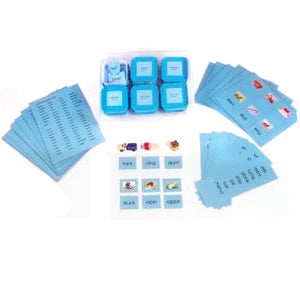
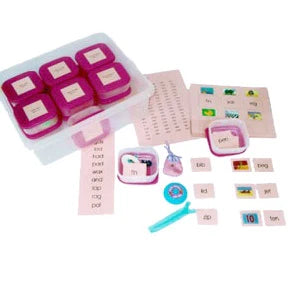
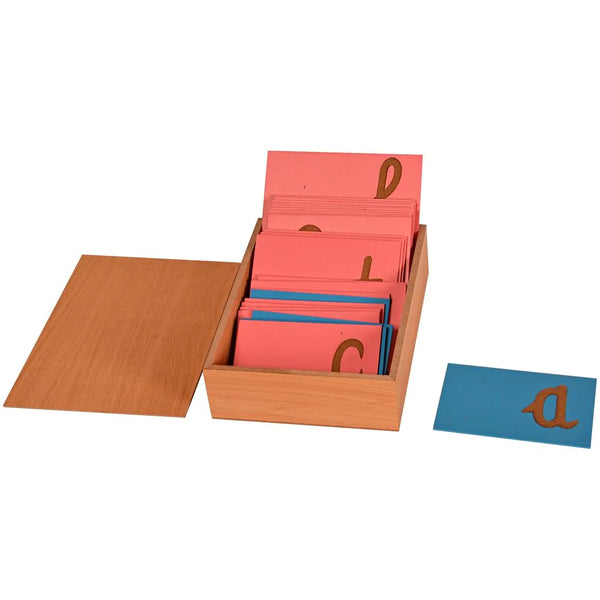
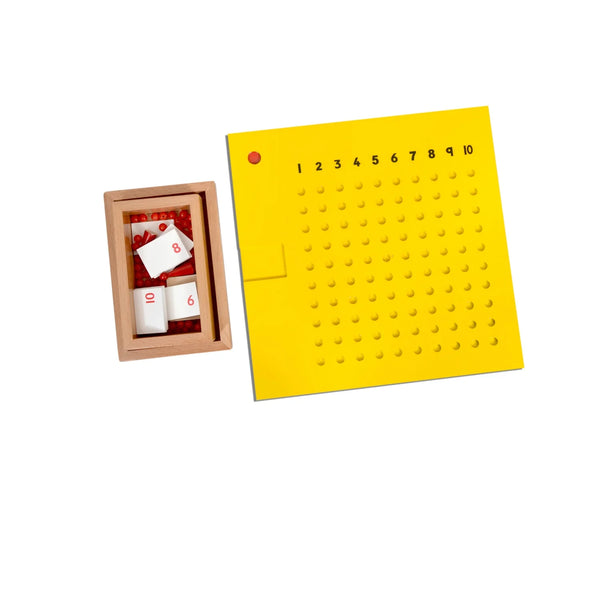
A truly effective preschool, particularly one that embraces the spirit of the new age rule, offers a 'prepared environment.' This Montessori concept means the classroom is thoughtfully designed, with child-sized furniture and accessible, purposeful learning materials. It encourages children to explore, choose their work, and learn independently. For instance, you might see practical life materials, sensorial tools, or language manipulatives readily available for exploration.
Ask about the curriculum's approach to the extended year. Does it merely repeat the previous year's syllabus, or does it offer progressively challenging, developmentally appropriate activities? A parent I know, Mrs. Sharma in Koramangala, Bangalore, was worried her 4-year-old, Aanya, would get bored. We discussed focusing on schools that deepen concepts rather than just introducing new ones.
Emphasis on Play-Based and Experiential Learning
The NCERT's National Curriculum Framework for Foundational Stage (NCF-FS 2022) strongly advocates for play-based learning. This is not just 'free time' but structured, purposeful play that develops cognitive, social, and motor skills. Observe if children are actively engaged in hands-on activities, whether it's building with blocks, experimenting with water play, or role-playing. The satisfying clunk of wooden blocks during constructive play, the focus on cognitive toys that challenge young minds, or the quiet concentration with fine motor skill toys like lacing beads, speaks volumes.
Outdoor Play and Natural Exploration
In urban India, access to outdoor space can be limited, but its importance is paramount. Children need gross motor development, exposure to nature, and opportunities for unstructured play. Inquire about the school's outdoor facilities and how frequently children use them. Fresh air and open space are crucial for physical health and creative expression, often missing in highly academic, indoor-focused environments.
Montessori Preschool India Curriculum: A Natural Fit for Extended Readiness
Maria Montessori's philosophy, developed over a century ago, is remarkably aligned with the spirit of India's new age rule. A genuine Montessori preschool in India offers a unique advantage for this extended foundational period:
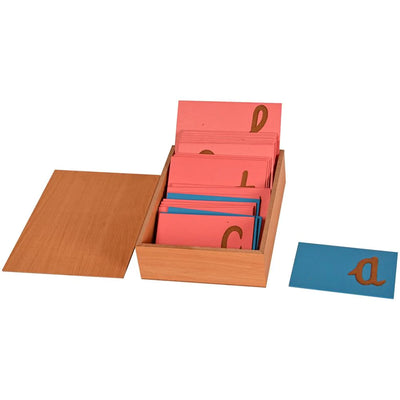
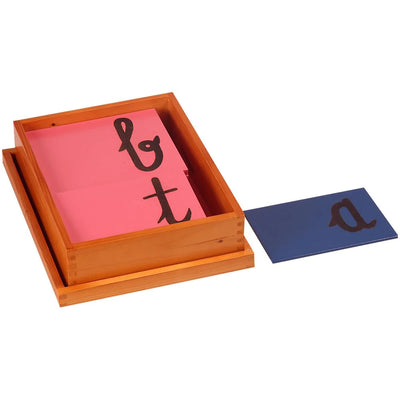
- Individualized Pace: Children work at their own speed with specific materials (like the Pink Tower or Sandpaper Letters), mastering concepts thoroughly before moving on. This prevents boredom for advanced learners and pressure for those needing more time.
- Practical Life Skills: Activities like sweeping, pouring, and buttoning build independence, concentration, and fine motor control – skills often overlooked but vital for self-sufficiency in an Indian household context, where children often help grandparents.
- Sensorial Exploration: Materials designed to refine senses lay a strong foundation for abstract thinking and academic subjects.
- Holistic Development: Focus extends beyond academics to social grace, emotional intelligence, and respect for others, preparing a child not just for school, but for life.
Choosing a Montessori preschool means investing in a methodology that inherently supports deeper learning and intrinsic motivation, ideal for a child spending longer in foundational education.
School Readiness Extended Preschool: Empowering Your Child at Home
The responsibility for school readiness isn't solely on the preschool. As parents, you play a pivotal role, especially with the extended preschool timeline. Here's how you can complement their learning:
- Create a 'Prepared Corner': Dedicate a small, accessible space at home with Montessori-aligned learning materials. This doesn't require a huge budget; simple items like puzzles, sorting trays, or blocks can mimic the purposeful work children do at school.
- Involve Them in Daily Chores: Let your child help with simple household tasks – setting the table, folding clothes, watering plants. These are 'practical life' activities that build responsibility and coordination.
- Read Aloud Daily: Reading is the single most important activity for language development and a love of learning. Choose age-appropriate books, talk about the pictures, and encourage them to tell you the story.
- Limit Screen Time: Excessive screen time can hinder social interaction and imaginative play. Prioritise outdoor play and hands-on activities.
Remember, the goal is not to 'teach' them Class 1 syllabus early, but to nurture their curiosity, independence, and foundational skills.
What is the new Class 1 entry age rule in India?
The Indian government's National Education Policy (NEP) 2020 recommends a universal entry age of 6+ years for Class 1. States like Goa have already implemented this, meaning many children will spend an additional year in preschool before formal schooling.
How does the delayed Class 1 entry impact preschool selection?
The delayed entry means children will spend an extended period in preschool, making it crucial to choose a program that prioritizes holistic, play-based development rather than early academic rote learning. The extra year should build foundational skills, not just extend existing curriculum.
Why is a Montessori curriculum suitable for this extended preschool period?
A Montessori curriculum naturally supports this extended period by focusing on child-led exploration, practical life skills, sensory development, and foundational concepts through hands-on materials. It allows children to progress at their own pace, fostering independence and a love for learning without premature academic pressure.
What key questions should I ask a preschool director during a visit?
Ask about their teacher-to-child ratio, daily schedule (balancing free play and structured activities), how they support individual learning paces, their approach to social-emotional development, and specifically how they've adapted their curriculum for children spending an extra year before Class 1.
What is a 'prepared environment' in a preschool context, and why is it important?
A 'prepared environment' refers to a classroom intentionally designed to encourage independence, exploration, and learning. It features child-sized furniture, accessible, well-organized materials (like Montessori materials), and defined activity areas, empowering children to choose their work and learn autonomously.
- India's delayed Class 1 entry provides a valuable opportunity for deeper foundational learning.
- Montessori schools, with their child-led approach, are inherently well-suited for extended preschool periods.
- Prioritise a preschool's teacher-child ratio (ideally 1:8-10) and a truly 'prepared environment'.
- Child development experts advocate for play-based, experiential learning over early academic pressure.
- The extended preschool period allows for robust social-emotional and practical life skill development.
- Parents should actively observe children's engagement and independence during preschool visits.