Choosing Preschool India Slowed Entry: New Class 1 Age Guide
With India's Class 1 entry age now aligning with the National Education Policy (NEP) 2020, mandating children to be six years old for admission, parents are facing new considerations for early education. Parents should prioritize child-centric, developmentally appropriate preschools that adapt to this extended early learning phase, focusing on holistic growth rather than rote learning. When choosing preschool India slowed school entry policies mean a greater emphasis on play-based exploration and foundational skills before formal academics, ensuring a robust start for every child.
This national shift, recently highlighted by states like Goa raising their Class 1 age, underscores a critical unaddressed concern: how preschools are truly adapting. The 'alarm rings in pre-schools,' as national reports suggest, prompting parents to seek clarity on what constitutes quality early education in this evolving landscape. This guide provides Indian parents, from bustling Bengaluru to the quiet lanes of a joint family home, with the confidence to make informed decisions for their child's future.
Understanding India's Slowed School Entry Policy
India's slowed school entry policy, a cornerstone of the NEP 2020, mandates Class 1 entry at age six, effectively extending the foundational stage of a child's education. This pivotal change is designed to shift focus from early academics to comprehensive foundational learning, recognizing the unique developmental needs of young children.
This matters profoundly because it allows children more time to develop crucial social, emotional, cognitive, and physical skills through play and exploration before formal schooling begins. Indian parents can leverage this extended period to ensure their child builds a robust, joyful foundation, preparing them for lifelong learning with reduced pressure.
The Impact of Class 1 Age Changes on Preschools in India
The **Class 1 age change preschool impact India** is significant, prompting a re-evaluation of curricula and teaching methodologies across the nation. With children spending an additional year in preschool settings, the emphasis has rightfully shifted from prematurely introducing reading and writing to fostering a love for learning through exploration and hands-on experiences.
This transition encourages preschools to move beyond rote memorisation, embracing curricula that support natural curiosity and develop foundational skills essential for future academic success. News reports, like those discussing 'Preschool Admission Trends: Families in Jaipur Are Following in 2026,' highlight this national adaptation, emphasizing the growing recognition of a child's intrinsic need for play and discovery in their early years.
Key Criteria for Evaluating Preschools Under India's New Age Rule
When **evaluating preschools new age rule** demands a keen eye for environments that champion true early childhood development. This involves looking beyond superficial facilities to assess the core educational philosophy and practical implementation.
Prioritising a Developmentally Appropriate Curriculum
A high-quality preschool curriculum, especially under the new age rule, must be developmentally appropriate, focusing on the whole child. Research by UNICEF indicates that a child's brain development is most rapid between ages 0-6, making this period crucial for building foundational skills through experiential learning.
Look for programs that integrate diverse activities, from art and music to gross motor play and storytelling, ensuring a balanced approach to cognitive, social, and emotional growth. This holistic approach prepares children not just for Class 1, but for life's challenges, instilling resilience and adaptability.
Assessing Teacher Qualifications and Ratios
The calibre of educators is paramount; skilled teachers are the heart of any effective preschool. Studies by the National Council of Educational Research and Training (NCERT) emphasize the importance of trained early childhood educators in fostering positive learning outcomes.
Inquire about teacher-to-child ratios, ensuring small group sizes that allow for individual attention, and confirm teachers possess formal training in early childhood education. A nurturing and patient teaching staff, much like a loving grandparent, can profoundly impact a child's early learning journey and confidence.
The Importance of a Nurturing Environment
A stimulating and safe environment is crucial for young learners to thrive. Beyond colourful walls, observe how children interact, whether they feel comfortable exploring, and if their individual efforts are celebrated.
The environment should encourage independence and problem-solving, much like a carefully prepared Montessori classroom where children can choose their activities. This fosters a sense of agency and belonging, critical for emotional security and engagement in learning.
Why the Montessori Approach Thrives in Extended Early Learning in India
The **Montessori approach extended early learning India** offers a profound advantage, perfectly aligning with the goals of the NEP 2020 and the slowed school entry policy. Developed by Dr. Maria Montessori, this method emphasizes self-directed activity, hands-on learning, and collaborative play within a 'prepared environment.'
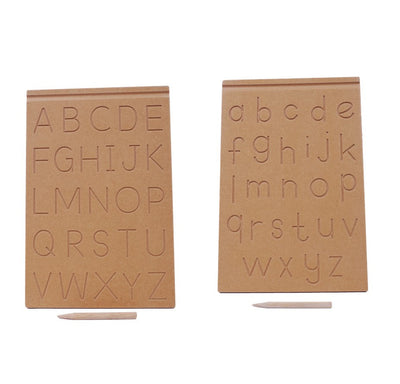
Children, typically engaging with specialized Montessori materials like the Pink Tower or Sandpaper Letters, develop concentration, coordination, independence, and a deep understanding of concepts at their own pace. This individualized learning pathway is ideal for the extended foundational stage, ensuring each child builds confidence and a genuine love for learning.
Ensuring Quality: What a Top Preschool Offers Under the New Policy
A **quality preschool India new policy** environment offers more than just childcare; it provides a comprehensive foundation for future academic and personal success. Such a preschool embraces the spirit of the NEP 2020, focusing on the foundational stage which includes a flexible, multi-faceted, multi-level, play-based, activity-based, and inquiry-based learning approach.
Look for schools that clearly articulate how they are adapting their curriculum to the extended learning period, perhaps by enhancing sensorial exploration, practical life activities, and social-emotional skill-building. They will foster curiosity, encourage critical thinking, and build a strong sense of community, reflecting the rich, diverse fabric of Indian society, from local festivals to storytelling sessions that connect with cultural roots. As highlighted by 'Foundations First: How NEP 2020 is Shaping India’s Early Learning Revolution,' this foundational stage is paramount.
As parents in India, you are your child's first and most influential teachers. Navigating the choices for early education amidst changing policies can feel daunting, but remember that the goal is not merely school readiness, but life readiness. By prioritizing environments that nurture your child's innate curiosity, foster independence, and celebrate their unique pace, you are laying the strongest possible foundation.
- India's Class 1 entry age is now six years, aligning with NEP 2020 directives to extend the early learning phase.
- A quality preschool under the new policy focuses on holistic development through play, not premature academics.
- Developmentally appropriate curricula, skilled educators, and a nurturing environment are crucial indicators of a top preschool.
- The Montessori approach, emphasizing self-directed, hands-on learning, is particularly effective for this extended early learning period.
- Parents should seek preschools that clearly demonstrate how they adapt to the extended foundational stage, promoting independence and critical thinking.
- Extended preschool time allows children to build essential social, emotional, cognitive, and physical skills, preparing them robustly for primary education.
What is the new Class 1 age mandate in India?
The new mandate, in line with NEP 2020, directs that children must be six years old to enter Class 1. This policy extends the foundational stage of learning, giving children more time in preschool settings to develop essential skills.
How does extended preschool benefit my child's development?
Extended preschool allows for a deeper focus on holistic development, including social-emotional, cognitive, and physical skills, without the pressure of early academics. This additional time fosters curiosity, independence, and a genuine love for learning, preparing them robustly for primary school.
Is a play-based curriculum better than an academic one for younger children?
Child development experts agree that a play-based curriculum is highly beneficial for younger children. It promotes natural exploration, problem-solving, and creativity, which are critical for brain development, rather than prematurely pushing formal academic subjects.
What role do teachers play in a quality preschool under the new policy?
Teachers in a quality preschool are foundational to success; they should be well-trained in early childhood education principles and possess a nurturing approach. They facilitate learning through observation, guided activities, and creating a supportive environment that responds to each child's individual pace and needs.
How can parents support their child's learning at home during this extended early learning phase?
Parents can support learning at home by engaging children in everyday activities, reading together, encouraging imaginative play, and providing age-appropriate learning materials. Creating a stimulating home environment reinforces skills learned at preschool and strengthens family bonds, crucial for a child's confidence.