Early Investment in Children: A Montessori Guide
Early investment in children's education is profoundly key for school readiness in India because it establishes foundational cognitive, social, and emotional skills crucial for academic success and overall well-being. Studies consistently demonstrate that children who receive quality early learning experiences adapt more smoothly to formal schooling, exhibit greater curiosity, and develop a lasting love for learning, reducing parental anxiety about future academic pressures. This strategic approach empowers children to thrive from day one in the classroom and beyond.
Indian parents, often anxious about their child's future, are increasingly recognising the profound significance of early childhood development. As insights from national discussions, such as those highlighted by INSIGHTS IAS, bring the importance of early investment to the forefront, the question of 'when' and 'how' becomes paramount for families across Bengaluru and beyond.
What is Early Investment in Children's Education?
Early investment in children's education refers to proactively providing stimulating learning environments and resources during a child's formative years (0-6 years). This matters because these early experiences profoundly shape brain development, influencing cognitive abilities, social skills, and emotional regulation. Indian parents can actively support this by integrating purposeful play and Montessori principles into daily routines at home.
The Long-Term Impact of Early Learning for Indian Children
The conversation around 'early investment in children' is gaining significant traction nationally, reflecting a widespread understanding of its long-term benefits. Initiatives like the Call for EOIs for technical support to Early Childhood Care and Education in India underscore the country's commitment to nurturing its youngest citizens. Research indicates that children participating in high-quality early education programs are significantly more likely to complete higher education and secure stable employment later in life.
For children growing up in Indian households, whether in bustling cities or rural settings, a strong foundation in early learning can bridge developmental gaps and unlock potential. Experts agree that the critical period from birth to age six lays the groundwork for executive functions, problem-solving skills, and adaptive behaviour, directly influencing a child's ability to thrive academically and socially as they grow.
Montessori Investment in Child Development: More Than Just Toys
When we talk about Montessori investment in child development, we are referring to a philosophy that views a child's early years as a critical window for absorbing knowledge and developing independence. Maria Montessori's method, deeply respected globally, focuses on creating a 'prepared environment' where children can explore and learn at their own pace, fostering self-correction and intrinsic motivation.
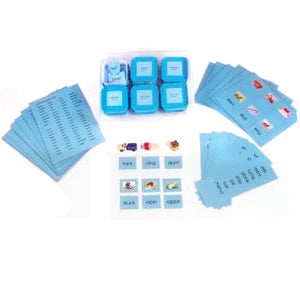
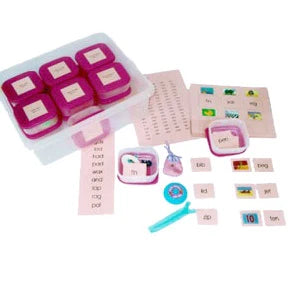
This isn't just about buying toys; it's about providing purpose-driven Montessori Method Learning Materials that aid in specific developmental areas. For instance, working with the Pink Tower helps children understand dimensions and order, while Sandpaper Letters introduce tactile literacy, setting a strong pre-reading foundation. These tools, often passed down through generations in joint families, are an investment in cognitive growth.
Benefits of Early Childhood Education in India for School Readiness
The benefits of early childhood education in India are profoundly visible in a child's preparedness for formal schooling. With the evolving landscape of preschool education, as seen in cities like Ahmedabad, parents need to be informed. Investing early means ensuring a child is not just academically but also emotionally and socially ready for the challenges of LKG, UKG, and beyond.
Studies from leading child development institutions in India highlight that a strong foundation in early childhood can boost a child's confidence and engagement in formal schooling by up to 30%. Children develop crucial skills such as concentration, memory, and logical reasoning through structured play. They also learn vital social graces like sharing, waiting their turn, and empathising with peers – skills essential for a harmonious classroom environment and future success.
The Value of Educational Toys for Development in the Early Years
Understanding the value of educational toys for development is key to making informed choices. These are not mere distractions but purposeful tools that engage a child's mind and body. For example, puzzles develop problem-solving and spatial reasoning, while activities like threading beads enhance fine motor skills and hand-eye coordination – precursors to writing.
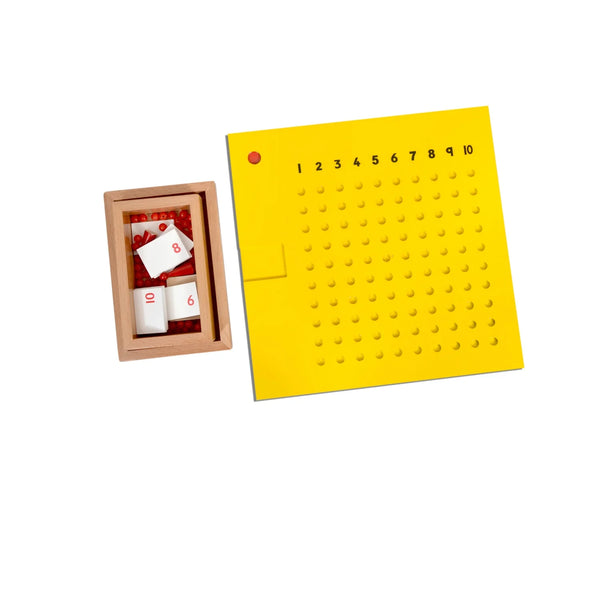
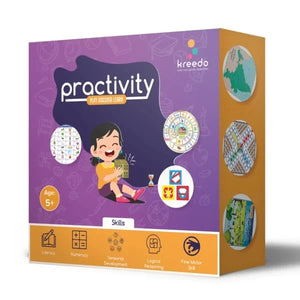
SkilloToys.com offers a curated selection of Montessori-aligned educational materials designed to support these critical developmental stages. By choosing these resources, Indian parents are not simply buying toys; they are strategically investing in their child's holistic growth, empowering them with the foundational skills and confidence needed to excel in school and life. This approach transforms everyday play into powerful learning experiences.
Making an early investment in your child's education is a decision that yields invaluable returns throughout their life. By embracing Montessori principles and providing a stimulating environment at home, Indian parents can confidently prepare their children for school readiness, ensuring they embark on their academic journey with curiosity, competence, and a lasting love for learning.
- Early childhood education significantly boosts a child's school readiness in India.
- Montessori principles foster self-directed learning and intrinsic motivation from a young age.
- Investment in quality educational resources yields long-term cognitive and social benefits.
- Play-based learning with Montessori materials develops critical foundational skills.
- Engaging children early reduces future learning gaps and enhances academic confidence.
- Indian experts endorse strategic early childhood development for holistic growth.
What is meant by early investment in a child's education?
Early investment in a child's education refers to providing enriching learning experiences and resources during a child's formative years (typically 0-6 years). This proactive approach focuses on building foundational skills before formal schooling begins, setting the stage for future academic and personal success.
How does Montessori education contribute to long-term child development?
Montessori education, through its child-centred approach, cultivates independence, concentration, and a genuine love for learning, contributing significantly to long-term child development. Children develop problem-solving abilities, intrinsic motivation, and a strong sense of self-efficacy that benefits them throughout their educational journey and beyond.
Why is school readiness so important for Indian children?
School readiness is crucial for Indian children as it ensures a smooth transition into the structured environment of LKG, UKG, and primary school. A well-prepared child exhibits better social-emotional regulation, foundational literacy and numeracy skills, and a positive attitude towards learning, all of which are essential for navigating the academic pressures common in India.
Are Montessori educational toys a worthwhile investment for my child?
Yes, Montessori educational toys are a worthwhile investment because they are purposefully designed to support specific developmental milestones and foster hands-on learning. These materials encourage exploration, self-correction, and the development of fine motor skills, cognitive abilities, and sensory perception, providing lasting educational value beyond typical playthings.
What age is ideal to begin focusing on early childhood education?
The ideal age to begin focusing on early childhood education is from birth, as the brain develops most rapidly during the first three to six years of life. Providing a stimulating environment and engaging in purposeful activities from infancy lays a critical foundation for all future learning and development.