Early Learning Rural India: Nurturing School Readiness
Nurturing strong foundations in early learning rural India is paramount for a child's holistic development and future academic success. Research indicates that quality early childhood experiences significantly impact cognitive growth and school readiness, a vital topic recently highlighted by 'Ideas for India' and other educational discussions.
For Indian parents preparing their little ones for LKG or UKG, especially in our vibrant rural communities, the journey to school readiness can feel both exciting and daunting. At SkilloToys, we believe every child deserves a stimulating start, and we are here to guide you with practical, culturally relevant strategies.
What is Early Learning in Rural India?
Early learning in rural India encompasses all the experiences and activities that stimulate a child’s development from birth to age eight, often within a rich, natural, and community-oriented environment. This matters because it builds crucial cognitive, social, emotional, and physical skills essential for formal schooling. Indian parents can empower their children by creating an engaging and supportive learning atmosphere using both traditional and modern approaches.
Bridging the Gap: Understanding Rural Childhood Development India
Children growing up in rural India experience a unique blend of learning opportunities, from close-knit joint family interactions to hands-on engagement with nature and community life. While access to formal preschools might be limited compared to urban centers, the potential for rich 'learning by doing' is immense. Studies by educational organizations in India highlight that a child's environment, whether urban or rural, profoundly shapes their early development.
The New Education Policy (NEP 2020) acknowledges these nuances, emphasizing the need for flexible and contextually relevant early childhood education. It seeks to integrate play-based learning and foundational literacy and numeracy into every child's early years, recognizing that diverse settings require inclusive strategies. This focus ensures that no child is left behind due to their geographical location.
Foundations for Success: Preschool Readiness Rural Areas
Preparing a child for preschool or LKG in rural areas means fostering a broad range of skills beyond just academics. This includes developing independence, problem-solving abilities, fine and gross motor skills, and social-emotional intelligence. Child development experts agree that a child who can communicate their needs, follow simple instructions, and engage in cooperative play is well-equipped for the classroom environment.
Many parents worry about 'school pressure' from an early age, but true readiness is about building confidence and a love for learning. Encourage your child to participate in daily household tasks, explore their surroundings, and engage in imaginative play. These simple activities, often a part of rural Indian life, are powerful learning tools for developing essential preschool readiness rural areas skills.
Montessori for Rural Kids: Accessible Educational Toys India
Maria Montessori's philosophy, rooted in observing and respecting the child's natural developmental pace, offers profound relevance for rural settings. Montessori principles emphasize hands-on, self-directed learning using purposeful materials that children can manipulate independently. These methods can easily be adapted for children in Indian villages, fostering concentration and practical life skills.
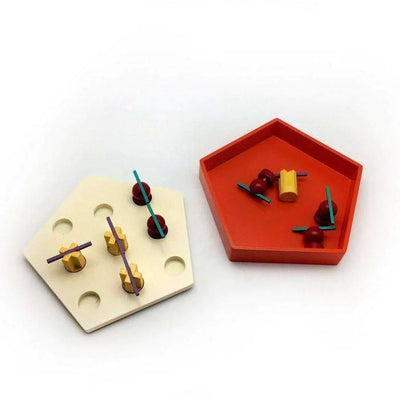
Accessible educational toys India can range from simple, natural objects found around the home and village to thoughtfully designed Montessori materials. For example, Practical Life materials like pouring sets or dressing frames help children develop coordination and independence. Similarly, Sensorial materials like the Pink Tower or Brown Stair, while specific, teach concepts of dimension and order through touch, making abstract ideas concrete. SkilloToys provides a range of durable, child-safe materials that bring these benefits to every home, making quality learning tools accessible.
Empowering Parents: Practical Strategies for NEP Rural Education
Parents and grandparents are a child's first and most influential teachers. Creating a 'prepared environment' at home doesn't require expensive resources; it involves thoughtful organization and a willingness to engage. Dedicate a small, safe space where children can explore and interact with their learning materials freely. This aligns perfectly with the NEP rural education emphasis on home-based learning and community involvement.
Involve children in traditional activities like gardening, cooking simple dishes, or helping with farm chores – these are invaluable practical learning experiences. Storytelling, especially narrating tales of Indian festivals, family history, and moral values, significantly boosts language development and cultural understanding. Research shows that consistent parental involvement in a child's early learning journey is a strong predictor of academic success, fostering foundational literacy and numeracy.
- Early learning in rural India is vital for comprehensive child development and school readiness.
- The NEP 2020 promotes inclusive, play-based early childhood education across all regions.
- Rural environments offer unique, rich learning opportunities through nature and community.
- Montessori principles are universally applicable, emphasizing hands-on, self-directed learning.
- Accessible educational tools include natural materials and durable Montessori resources.
- Parental and grandparental engagement is a critical factor in a child's early learning success.
What is the importance of early learning for rural children in India?
Early learning for rural children in India is crucial for establishing foundational cognitive, social, and emotional skills that support successful transitions to primary school. It helps bridge potential educational gaps and ensures every child has the opportunity to thrive, regardless of their geographic location.
How can parents in rural areas support their child's school readiness?
Parents in rural areas can support school readiness by engaging children in everyday activities, fostering language development through stories and conversations, and providing simple, accessible materials for hands-on exploration. Creating a loving, stimulating home environment with consistent routines significantly contributes to their readiness.
Are Montessori principles suitable for children growing up in Indian villages?
Yes, Montessori principles are highly suitable for children in Indian villages because they emphasize practical life skills, sensorial exploration, and self-directed learning using readily available materials. This approach encourages independence, concentration, and a love for learning, which are universally beneficial.
What are examples of accessible educational toys for rural homes in India?
Accessible educational toys for rural homes include natural materials like pebbles, leaves, and sticks for counting and sorting, or household items like pots and spoons for imaginative play. SkilloToys also offers durable, child-safe Montessori materials that are designed to be effective learning tools in any setting.
How does NEP 2020 impact early childhood education in rural India?
NEP 2020 places a strong emphasis on strengthening Early Childhood Care and Education (ECCE) for all children, including those in rural areas, by focusing on foundational literacy and numeracy. It encourages community involvement and aims to provide equitable access to quality early learning experiences, recognizing its long-term benefits.
At SkilloToys, we are committed to empowering every Indian parent with the tools and knowledge to foster exceptional early learning experiences. Remember, the journey to school readiness is a shared one, built on love, curiosity, and consistent encouragement. Embrace the unique strengths of your rural environment and watch your child flourish.