Educational Toys for School Readiness: Montessori Approach
As Indian parents, preparing your child for school often feels like a significant milestone, fraught with questions and aspirations. Understanding how educational toys can foster readiness, particularly through a Montessori lens, is key to a smooth and confident transition into preschool, LKG, or UKG.
Educational toys are thoughtfully designed tools that engage children in learning through play, directly supporting their holistic development for school readiness. This guide will reassure you and provide a structured approach to choosing the best Montessori-inspired educational toys for your child, ensuring they develop the skills and confidence needed for their academic journey in India.
What Are Educational Toys, and Why Do They Matter for Indian School Readiness?
Educational toys are purposeful playthings crafted to stimulate a child's cognitive, physical, social, and emotional development. This matters profoundly because they build foundational skills necessary for a successful transition into preschool, LKG, and UKG environments. Indian parents can thoughtfully select these toys to support their child's holistic growth and ease the common anxieties surrounding school admissions and performance.
In the vibrant and sometimes competitive landscape of Indian schooling, early childhood education (ECE) has gained immense importance. From government initiatives calling for technical support to ECE programs, to discussions about what children in rural India do in their early years, the emphasis is clear: a strong start is crucial. Educational toys provide that vital foundation, preparing children not just academically but also emotionally and socially, whether they are in bustling Bengaluru or smaller towns.
Montessori Educational Toys: Nurturing Independent Learners in India
Maria Montessori's philosophy, deeply respected globally, champions self-directed activity, hands-on learning, and collaborative play. Montessori educational toys, often called 'materials,' are specifically designed to embody these principles, allowing children to learn at their own pace and through self-correction. Research shows that children exposed to Montessori methods often develop superior problem-solving skills and a strong sense of independence.
These materials focus on developing practical life skills, sensorial exploration, language, and mathematics in a tangible way. In an Indian home, where children often interact with extended family, Montessori principles can be easily integrated. Grandparents can observe children's self-directed play with these purposeful items, fostering a sense of calm and focused learning that is invaluable for school readiness.
Key Areas of Development Fostered by School Readiness Toys
Choosing the right school readiness toys means understanding the developmental milestones they support. Experts agree that a child's preparedness for school extends beyond just academic knowledge, encompassing a range of cognitive, motor, social, and emotional skills.
Cognitive Skills & Problem Solving
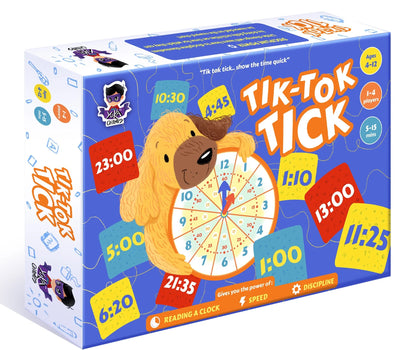
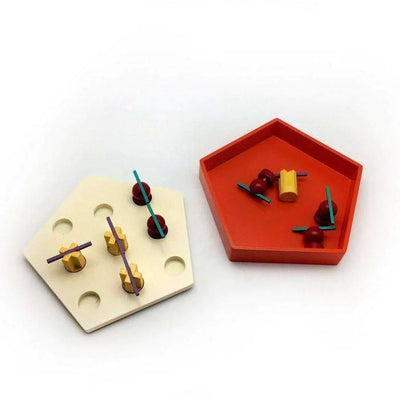
Toys that encourage critical thinking and problem-solving are paramount. These include puzzles, shape sorters, and building blocks. For instance, Montessori puzzles teach spatial reasoning, while stacking blocks help children understand balance and sequence. These activities lay the groundwork for understanding logical concepts taught in LKG and UKG.
Fine Motor Skills & Hand-Eye Coordination
The ability to hold a pencil, use scissors, or turn pages is vital for school. Toys like bead threading sets, lacing cards, and practical life materials such as pouring or tonging activities strengthen small hand muscles. SkilloToys offers a range of Montessori practical life materials that refine these essential fine motor skills, crucial for writing and drawing.
Language & Communication
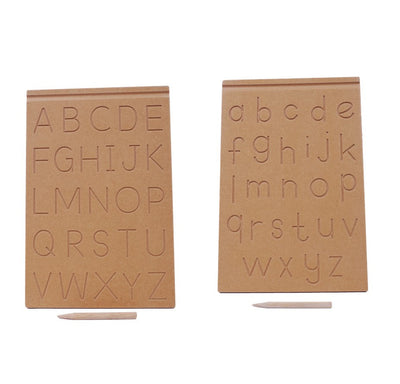
Developing vocabulary and expressing thoughts clearly are fundamental for classroom participation. Picture cards, alphabet puzzles, storytelling sets, and puppets encourage language development. Engaging in conversations about these toys helps children articulate ideas and improve their narrative skills, preparing them for classroom interactions.
Social & Emotional Growth
Learning to share, take turns, and manage emotions are critical for group settings. Pretend play toys, doctor sets, kitchen sets, and simple board games foster empathy, cooperation, and conflict resolution. These interactions with siblings, cousins, or friends build the social resilience needed for school.
Sensory Exploration
Montessori sensorial materials, such as the Pink Tower or Brown Stair, refine a child's senses, indirectly preparing them for abstract concepts in mathematics and language. These materials help children categorize and differentiate by size, shape, color, and texture, enhancing their perception and concentration.
Selecting the Best Kids Learning Toys for Preschool & LKG/UKG
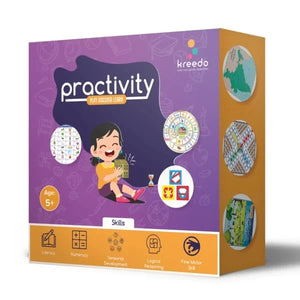
When selecting kids learning toys, age-appropriateness and developmental goals are key. For toddlers (18-24 months), focus on basic shape sorters and stacking rings. For preschoolers (2-3 years), introduce more complex puzzles and early practical life activities. As children approach LKG and UKG (3-5 years), consider materials that gently introduce pre-reading and pre-math concepts, such as sandpaper letters and number rods.
Studies indicate that quality, open-ended play with such materials significantly impacts a child's readiness for formal schooling, demonstrating better academic and social outcomes. With the shifting landscape of preschool education, as seen in places like Ahmedabad, investing in well-chosen preschool learning toys is more relevant than ever. Prioritize durability, safety (non-toxic materials), and toys that encourage active participation over passive observation.
Integrating Early Learning Toys into the Indian Home Environment
Making early learning toys India accessible and engaging within the home environment is straightforward with a Montessori-inspired approach. Create a 'prepared environment' by designating a special, organized space for toys, perhaps a low shelf where children can easily access and put away their chosen materials. Rotating toys regularly keeps them fresh and exciting, encouraging sustained engagement.
Involving all family members, including grandparents, in a child's play reinforces learning. Rather than simply buying toys, observe your child's interests and developmental stages, selecting materials that challenge and support them. Celebrate their small achievements, fostering a love for learning that extends beyond the playroom and into their school years. This holistic approach ensures that educational play becomes a cherished part of daily life, preparing children beautifully for their educational journey.
- Educational toys are crucial for developing foundational skills needed for school readiness in India.
- Montessori principles promote self-directed learning and independence through purposeful play.
- Selecting age-appropriate toys that foster cognitive, motor, language, and social-emotional skills is vital.
- Quality practical life materials and sensorial tools significantly enhance a child's early learning.
- Integrating early learning toys thoughtfully into the home environment supports holistic development.
- Hands-on play with educational toys provides irreplaceable benefits that screen time cannot replicate.
What are the best educational toys for a 3-year-old preparing for LKG?
For a 3-year-old preparing for LKG, focus on educational toys that enhance fine motor skills, cognitive development, and early literacy/numeracy. Excellent choices include shape sorters, puzzles with larger pieces, simple building blocks, and practical life materials like pouring or buttoning frames, all of which align with Montessori principles.
How do Montessori educational toys differ from regular learning toys?
Montessori educational toys are distinct as they are typically made from natural materials, have a single purpose, are self-correcting, and foster independence. Unlike many regular learning toys that might be battery-operated or prescriptive, Montessori materials encourage self-discovery, concentration, and hands-on learning, aligning with a child's natural developmental stages.
When should Indian parents start introducing school readiness toys?
Indian parents can begin introducing school readiness toys as early as 18-24 months, focusing on age-appropriate development. These early learning toys support foundational skills like concentration, problem-solving, and fine motor control, gradually preparing children for the structured environment of preschool, LKG, and UKG.
Can screen time replace the benefits of hands-on kids learning toys?
No, screen time cannot replace the unique developmental benefits of hands-on kids learning toys. Child development experts agree that tangible, interactive play is crucial for developing fine motor skills, sensory integration, problem-solving abilities, and social-emotional intelligence, which screens largely fail to provide.
Where can I find quality early learning toys in India?
Quality early learning toys, particularly those rooted in the Montessori philosophy, can be found at specialized educational toy stores like SkilloToys.com. It is essential to choose reputable providers who prioritize durable, safe, and developmentally appropriate materials that truly support a child's growth and learning journey in India.