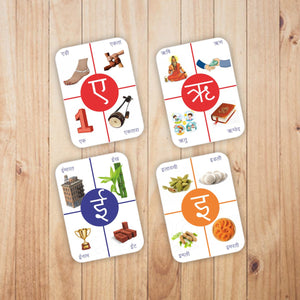
Hindi Alphabets: LKG/UKG Readiness Milestones for Parents
Understanding the expected milestones for hindi alphabets is a key concern for many Indian parents preparing their children for LKG and UKG. For LKG readiness, children are generally expected to recognise basic Hindi sounds and a few common letter shapes, while UKG readiness progresses to identifying more letters and matching them to sounds, forming a foundation for early literacy.
What exactly constitutes Hindi Alphabet Milestones? These are the progressive stages of recognizing, understanding, and eventually reproducing Hindi letters and sounds that align with a child’s developmental age. This matters because establishing foundational literacy skills early significantly impacts future academic success and confidence. Indian parents can proactively support these milestones through engaging, play-based learning at home, preparing their children for the structured learning environments of LKG and UKG.
Early LKG Readiness: Recognising Hindi Sounds and Letters
For children aged 3-4 years entering LKG, the focus is primarily on developing phonological awareness and initial letter recognition. Research shows that early exposure to language sounds, often through songs and stories, significantly aids in developing pre-reading skills. In many Indian homes, this often begins naturally with grandparents narrating folk tales or singing traditional rhymes.
Child development experts agree that for LKG, a child should comfortably identify the sounds of common Hindi letters (like अ, आ, क, म) and recognise 5-10 prominent Hindi vowels and consonants. This phase is about sensory exploration and familiarisation, rather than rote memorisation. Montessori’s approach, for instance, emphasizes tactile learning through materials like language materials where children trace letter forms with their fingers, building a concrete understanding.
Encouraging your child to identify objects that start with a particular Hindi sound, or pointing out letters in books and around the house, creates a print-rich environment. This builds a strong base for future learning and reduces pressure as they transition into formal schooling, fostering a positive association with the Hindi language.
Preparing for UKG Readiness: From Recognition to Early Reading
As children progress to UKG, typically aged 4-5 years, the `UKG readiness` expectations for Hindi alphabets evolve. At this stage, children are expected to identify a wider range of Hindi letters, match upper and lowercase forms where applicable, and begin to associate letters with their corresponding sounds more consistently. This is a critical period for developing pre-reading skills that underpin future literacy.
Studies indicate that children in UKG are ready to move from individual letter recognition to simple word formation. They should be able to identify initial and final sounds in words and perhaps blend two- or three-letter Hindi words. The National Education Policy (NEP) 2020, as highlighted by initiatives like 'Foundations First: How NEP 2020 is Shaping India’s Early Learning Revolution', places significant emphasis on foundational literacy and numeracy during these early years, ensuring children are well-equipped for primary school.
Montessori education introduces the movable alphabet at this stage, allowing children to physically construct words and sentences, thereby understanding the structure of language. Exploring a variety of Montessori method learning materials can greatly support this transition from letter recognition to early reading, making abstract concepts concrete and engaging for young minds.
Practical Strategies for Home Learning and Hindi Alphabet Expectations
Meeting `Hindi alphabet expectations` for LKG and UKG doesn't require a strict academic approach at home; instead, it thrives on playful engagement and natural integration into daily life. Unicef’s focus on Early Childhood Education underscores the importance of a nurturing and stimulating home environment. Simple activities can make a profound difference, especially when grandparents and other family members join in.
Engage your child in conversations using Hindi, read Hindi storybooks together, and sing Hindi rhymes. Use everyday objects to teach letter sounds – for example, “क for Kamal” (lotus) or “म for Maa” (mother). Creating a small, dedicated learning corner with educational charts and simple Montessori learning toys can spark curiosity without feeling like a chore.
Remember, every child develops at their own pace. The goal is to build a positive relationship with learning Hindi, not to push for premature mastery. Celebrating small achievements, like recognising a new letter or sound, fosters confidence and a love for learning. This gentle, consistent approach ensures your child is not only ready for school but also enthusiastic about their educational journey.
Key Takeaways for Early Hindi Literacy Milestones India
- For LKG readiness, children are expected to recognise basic Hindi sounds and a few common letter shapes, typically around 5-10 letters.
- UKG readiness involves identifying a broader range of Hindi letters and beginning to associate them with sounds for simple word formation.
- Montessori materials like sandpaper letters and the movable alphabet provide multi-sensory, hands-on learning for Hindi literacy.
- The NEP 2020 emphasizes foundational literacy and numeracy in early childhood, aligning with the need for strong Hindi alphabet knowledge.
- Integrating Hindi learning into daily activities, stories, and songs at home significantly aids a child’s developmental journey.
- Early childhood education experts advise a play-based approach, focusing on curiosity and engagement rather than rote memorization.
What is the ideal age to start introducing Hindi alphabets?
Child development experts recommend introducing language concepts, including Hindi alphabets, through play-based methods from 2.5 to 3 years of age. This gentle exposure fosters familiarity without pressure, aligning with a child's natural curiosity.
Should my child know all Hindi vowels and consonants before LKG?
No, it is generally not expected for a child to know all Hindi vowels and consonants before LKG. LKG readiness typically focuses on sound recognition, a few common letter shapes, and a general interest in language, rather than complete mastery of the alphabet.
How can I make learning Hindi alphabets fun at home?
Making learning Hindi alphabets fun involves incorporating it into daily routines and play. Use storybooks, sing rhymes, play simple matching games, and engage children in conversations using Hindi, making the process joyful and interactive.
Are Montessori materials effective for Hindi alphabet learning?
Yes, Montessori materials are highly effective for Hindi alphabet learning due to their multi-sensory approach. Materials like sandpaper letters allow children to trace and feel the letter forms, engaging tactile, visual, and auditory senses simultaneously for deeper understanding.
What if my child is struggling with Hindi alphabet recognition?
If your child is struggling, focus on reassurance and continue with gentle, play-based methods. Avoid pressure and celebrate small successes. Consulting with preschool teachers or early childhood educators for tailored advice can also be beneficial.