Homeschooling Curriculum India: Montessori Early Years Readiness
Many Indian parents anxiously navigate the path to their child's early education, often feeling the pressure of formal preschool admissions and curriculum choices. For those seeking an alternative, developing a homeschooling curriculum India focused on early years using a Montessori approach offers a profound and holistic path to school readiness. This method empowers children to learn naturally, building independence and a love for discovery right within their own homes, supported by the warmth of family.
A Montessori homeschooling curriculum for early years is a child-centred educational framework where children, typically from 1.5 to 6 years old, learn through hands-on exploration in a specially prepared home environment. This approach focuses on fostering natural curiosity, developing concentration, and building practical life skills that form a strong foundation for future learning. It allows Indian parents to create a unique, flexible learning journey tailored to their child's individual pace and interests, deeply rooted in family values.
Why Montessori Homeschooling Appeals to Indian Parents
With formal preschool education in Indian cities like Ahmedabad constantly evolving and sometimes feeling overwhelming, many parents are finding peace and structure in homeschooling. Maria Montessori's philosophy, developed over a century ago, is rooted in observing children's natural tendencies. It acknowledges their innate drive to learn and explore, which resonates deeply with traditional Indian values of respectful upbringing and self-reliance. Research consistently shows that children in Montessori environments often demonstrate higher levels of social skills, creativity, and executive function compared to their peers in conventional settings.
This approach moves beyond rote memorisation, which is common in many Indian preschools. Instead, it nurtures genuine understanding and a deep love for learning. The emphasis on practical life skills – like pouring water, dressing oneself, or cleaning up – aligns with the daily responsibilities children observe in bustling Indian homes, from helping with puja preparations to assisting in the kitchen. It's learning through doing, a concept that is instinctively understood across generations in India.
Crafting Your Early Years Homeschooling Curriculum India
Creating an effective early years homeschooling India curriculum involves thoughtful observation and preparation, rather than rigid scheduling. The core idea is to follow the child's interests and readiness, introducing materials and activities when they are most receptive. This often means breaking away from the idea of a formal 'school day' at home.
For children aged 1.5 to 3 years, the focus is heavily on sensory exploration and practical life activities. This is the age of absorbing the environment. Provide opportunities for sorting dals, arranging flowers, or wiping spills. As children move into the 3 to 6-year range (preschool at home India), they show increased readiness for more structured, yet still self-directed, learning in areas like language, mathematics, and culture.
Consider the traditional learning observed in many rural Indian homes, where children learn by participating in daily chores and community life; this naturally aligns with Montessori's emphasis on practical life skills. For instance, involving a 4-year-old in making a simple chai or kneading dough for rotis not only teaches practical skills but also connects them to their cultural heritage and family routines. This concrete engagement fosters a deep sense of belonging and capability.
Setting Up a Montessori Prepared Environment at Home
A 'prepared environment' is key to successful Montessori homeschooling India. This doesn't require a separate classroom; it means making your home a place that invites purposeful activity and independence. Ensure materials are child-sized, accessible, and organised. Low shelves, small tables, and designated areas for different types of work encourage children to choose activities freely and put them away themselves.
For a Bengaluru family with limited space, a dedicated corner with a small mat and a low shelf can serve as an effective learning zone. This thoughtful organisation reduces clutter and cognitive overload, allowing the child to focus. Child development experts agree that an orderly environment promotes concentration and a sense of calm, which is vital for young learners. Providing aesthetically pleasing and engaging materials is part of this preparation.
Essential Educational Toys for Homeschooling India
Selecting the right educational toys is paramount for a Montessori homeschooling curriculum. These aren't just playthings; they are 'materials' designed to teach specific concepts through hands-on engagement. They are often self-correcting, allowing the child to discover errors independently, fostering problem-solving skills without adult intervention.
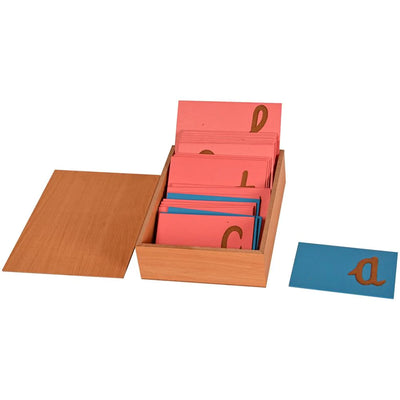
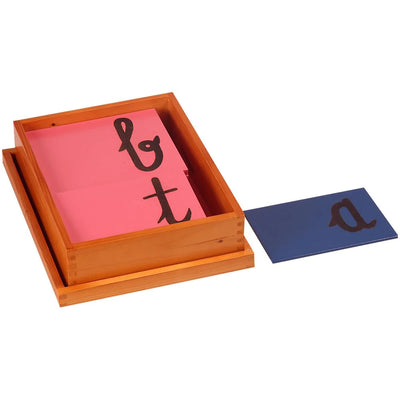
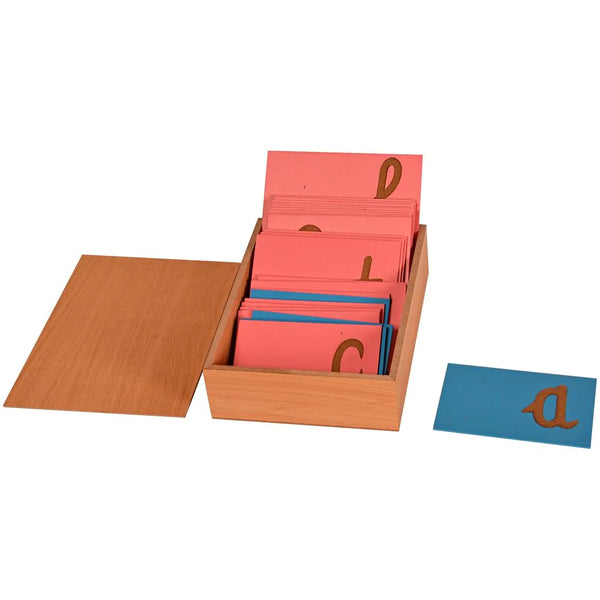
For fine motor skill development and concentration, consider the Montessori Pink Tower, which teaches visual discrimination of size. Sandpaper letters are excellent for introducing phonetics and language skills through touch, a crucial step for literacy. Practical life tools, like small pitchers and transferring sets, are invaluable for developing coordination and independence. Explore SkilloToys' range of Montessori learning materials that are perfect for establishing a rich learning environment.
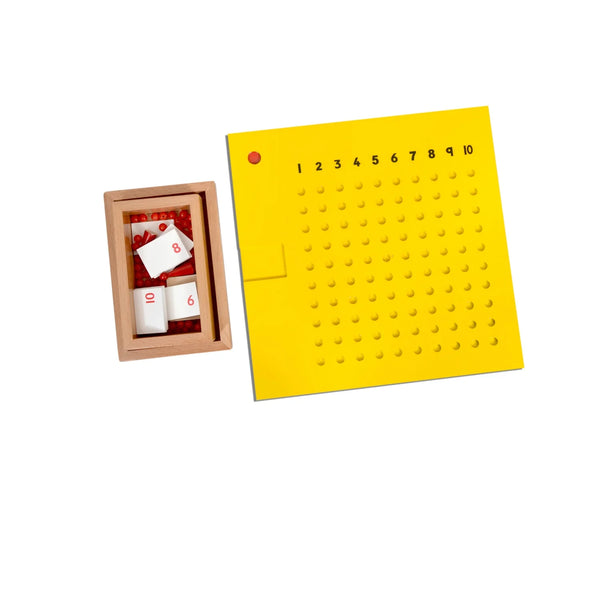
As children grow, materials like number rods introduce early mathematical concepts in a concrete way. The satisfaction of manipulating these materials builds confidence and a foundational understanding that sticks. The Indian Academy of Pediatrics emphasizes the importance of play-based learning over abstract instruction for early childhood, making these tangible tools invaluable.
The Parent as Guide: Cultivating Independence and Joy
In a Montessori homeschooling setting, the parent acts as a 'guide' rather than a traditional teacher. Your role is to prepare the environment, present materials clearly, and then step back to observe. Trust in your child's innate drive to learn. When a child is deeply engaged in an activity, respect their concentration – this 'flow state' is where true learning occurs.
Grandparents often play a significant role in Indian joint families, and their involvement can be a beautiful extension of the Montessori environment. A Dadi telling stories from the Panchatantra or teaching a child to fold clothes can be a powerful learning experience, bridging generations and cultural knowledge with purposeful activity. This integrated approach enriches the child's learning journey and reinforces family bonds, making homeschooling resources India abundant right within the home.
Embracing a Montessori homeschooling curriculum means choosing a path of profound respect for your child's individuality and capacity. It's about fostering not just academic readiness, but a resilient, independent, and joyful learner, prepared for any adventure life brings. This deep, internal preparedness is the truest form of 'school readiness' an Indian parent can offer.