Malayalam Alphabets: Montessori Guide for Indian Parents
Teaching Malayalam alphabets for school readiness through the Montessori method involves a multi-sensory, child-led approach that focuses on concrete materials and sequential learning. This method builds a strong foundation by engaging children with sounds, shapes, and tactile experiences, preparing them effectively for formal schooling. Research shows that early exposure to native language alphabets significantly enhances cognitive development and literacy outcomes in young children, especially in a multilingual country like India.
For Indian parents in Bengaluru and across the nation, the journey of school readiness for their little ones is a cherished milestone, often accompanied by natural anxieties about academic preparedness. In a diverse linguistic landscape, ensuring children connect with their cultural roots while learning is paramount. The National Education Policy (NEP) 2020 strongly advocates for foundational literacy and numeracy, emphasizing the importance of native languages in early childhood education. This guide offers a reassuring, structured path to introduce your child to Malayalam, one of India's beautiful classical languages, using time-tested Montessori principles.
What is the Montessori Approach to Teaching Malayalam Alphabets?
The Montessori approach to teaching Malayalam alphabets integrates multi-sensory materials, allowing children to learn through touch, sight, and sound. This fosters independent learning and builds a deep understanding of letter forms and phonetics. Indian parents can implement this by creating a prepared environment with carefully selected materials, respecting the child's natural pace.
Laying the Foundation: Pre-Literacy Montessori Activities (18-36 Months)
Child development experts agree that preparing a child for literacy begins long before formal alphabet introduction. For toddlers aged 18-36 months, focus on developing fine motor skills, auditory discrimination, and visual recognition. Simple activities like pouring water, transferring beads, or buttoning clothes enhance dexterity. Sound games, where you identify everyday sounds or rhymes in Malayalam, sharpen auditory skills. Matching activities with objects or picture cards lay the groundwork for understanding relationships, all crucial steps before introducing specific malayalam letters for kids. Providing a variety of textures for touch, and vibrant colours for visual stimulation, further prepares their senses for the nuanced details of letter forms. These seemingly simple tasks are powerful builders of cognitive pathways. Explore our range of Montessori practical life and sensorial materials to set the stage for early learning.
Introducing Malayalam Alphabets: The Montessori Way (3-6 Years)
Once your child shows readiness, typically between 3 and 6 years, the Montessori method introduces malayalam alphabets in a systematic, engaging manner. This phase focuses on connecting the sound of the letter to its visual form and then to its tactile experience, ensuring a holistic understanding.
Phase 1: Sound and Form – The Sandpaper Letters
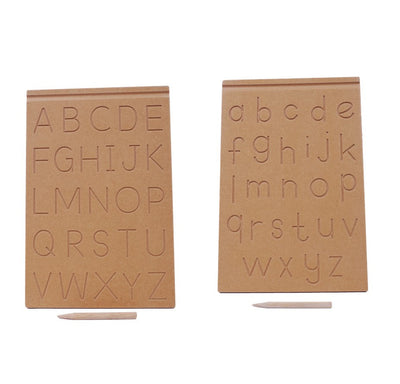
The core of initial alphabet introduction lies with the Montessori Sandpaper Letters. These tactile letters allow children to trace the form while simultaneously hearing the sound. Start with a few vowels and consonants that are distinct and commonly used. Employ the classic 'Three-Period Lesson': (1) Naming (e.g., 'This is അ – a'), (2) Recognition ('Show me അ'), and (3) Recall ('What is this?'). This multi-sensory engagement cements the connection between the spoken sound, the written symbol, and the muscle memory of writing. For optimal learning, ensure the child is comfortable and focused, engaging for short, concentrated periods. This direct, sensory experience allows for a deeper imprint of the malayalam alphabets than mere visual exposure, making the abstract concept of a letter concrete and memorable. SkilloToys offers authentic Montessori language materials, including Malayalam sandpaper letters, designed for this crucial learning stage.
Phase 2: Building Words – The Movable Alphabet
After mastering individual letter sounds, children transition to the Movable Alphabet. This allows them to construct words phonetically before they can hold a pencil and write. Provide small objects or pictures, and encourage your child to 'build' the Malayalam word using the individual wooden letters. This hands-on activity, a cornerstone of montessori malayalam activities, empowers them to experiment with sounds and spelling, boosting confidence and accelerating early reading skills. Parents can start with simple two or three-letter words, gradually increasing complexity. The joy on a child's face when they successfully form a word and realize its meaning is immeasurable, solidifying their understanding of how letters combine to create language. This self-correcting material also allows children to learn from their own discoveries. It's a joyful way to bridge the gap from single letters to meaningful words, preparing them for more complex literacy.
Integrating a Malayalam Alphabet Chart
While the tactile and manipulative materials are primary, a well-designed malayalam alphabet chart can serve as a valuable supplementary resource in the home environment. Display it at your child's eye level in a common area, like the kitchen or play space. This provides passive visual exposure, reinforcing the letters they are learning actively. Avoid using it for rote memorization. Instead, refer to it naturally during conversations or as a visual reminder when your child is engaged in other language activities, turning it into a point of reference rather than a teaching tool. Ensure the chart is visually appealing and clear, featuring a single, simple font. You might point to a letter on the chart while singing a Malayalam alphabet song or when discussing a word that starts with that letter. This gentle reinforcement integrates the chart organically into your child's learning landscape, making it a helpful tool without creating pressure.
Beyond Letters: Fostering Malayalam Preschool Readiness
True malayalam preschool readiness extends beyond merely recognizing alphabets. It encompasses a broader love for language and culture. Engage your child in daily conversations in Malayalam, narrate traditional stories, or sing Malayalam rhymes. Grandparents, with their rich repertoire of tales and songs, play an invaluable role in nurturing this connection. Encourage drawing and scribbling, which are precursors to formal writing. Provide simple Malayalam picture books for them to explore, fostering curiosity and a sense of ownership over their native tongue. This holistic approach ensures your child enters school not just prepared academically, but also culturally enriched. The emphasis on native languages aligns perfectly with the UNICEF framework for early childhood education, which highlights the importance of cultural relevance and a child's home language for optimal development. As 'Foundations First: How NEP 2020 is Shaping India’s Early Learning Revolution' points out, strong native language foundations are key to broader academic success. Celebrating Malayalam festivals and discussing their significance in the language further enriches this experience. These cultural touchstones provide real-world context for the language, making it vibrant and meaningful. Studies indicate that children with a strong foundation in their native language often find it easier to acquire additional languages later, showcasing the profound benefits of early, culturally relevant literacy. This builds robust cognitive structures and fosters a confident identity.
Teaching malayalam alphabets through the Montessori method is not just about academics; it's about nurturing a lifelong love for learning and cultural identity. By adopting these multi-sensory, child-centred approaches, Indian parents can transform school readiness from a stressful chore into an exciting journey of discovery. SkilloToys is dedicated to providing high-quality Montessori-aligned materials that empower parents to confidently guide their children towards a vibrant and literate future.
- The Montessori method for Malayalam alphabets employs a multi-sensory, child-led approach, focusing on touch, sight, and sound.
- Early exposure to native language alphabets is crucial for cognitive development and literacy, aligning with NEP 2020's emphasis on foundational literacy.
- Pre-literacy activities (18-36 months) build essential fine motor and auditory discrimination skills before formal letter introduction.
- Montessori materials like Sandpaper Letters introduce Malayalam alphabets tactically, while the Movable Alphabet facilitates early word building.
- Integrating a Malayalam alphabet chart for passive visual exposure complements active learning, reinforcing letter recognition.
- True school readiness for Malayalam includes fostering a love for the language through stories, conversations, and cultural engagement.
When is the best age to start teaching Malayalam alphabets?
Child development experts recommend starting pre-literacy activities around 18-24 months, focusing on sensorial and auditory skills. Formal introduction of Malayalam alphabets with Montessori materials typically begins around 3 to 3.5 years, or when the child shows readiness and interest.
How can I make learning Malayalam alphabets fun for my child?
Make learning hands-on and playful. Use Montessori Sandpaper Letters and the Movable Alphabet, engage in sound games, sing Malayalam rhymes, and read engaging picture books. Integrate learning into daily routines and make it a joyful, stress-free experience.
Are Montessori Malayalam materials available in India?
Yes, SkilloToys.com, India's leading Montessori educational toys store, offers a dedicated range of Montessori-aligned language materials, including options for Malayalam alphabets. These resources are designed to support multi-sensory learning for Indian children.
How does the Montessori method differ from traditional teaching of alphabets?
The Montessori method is child-led, multi-sensory, and focuses on concrete, manipulative materials, moving from sound to symbol to word. Traditional methods often rely more on rote memorization, worksheets, and passive learning, which can be less engaging for young children.
What is the role of parents in teaching native language alphabets?
Parents are the child's first and most important teachers. Provide a language-rich environment, engage in conversations, read stories, and offer appropriate materials. Your enthusiasm and consistent interaction are key to fostering a strong foundation in Malayalam.
Can screen time help in learning Malayalam alphabets?
While some educational apps exist, child development studies indicate that hands-on, interactive learning with physical materials is far more effective for early literacy than screen-based activities. Limit screen time and prioritize tactile, multi-sensory engagement for deeper learning of Malayalam alphabets.