Malayalam Alphabets: Play-Based Learning for Preschool
Introducing Malayalam alphabets to preschoolers is most effective through engaging, multi-sensory play, focusing on sound and form rather than rote memorization. This approach, aligned with Montessori principles, ensures a natural and enjoyable learning experience for young children, directly supporting foundational literacy. Research shows that early, playful exposure to regional languages like Malayalam significantly boosts cognitive development and cultural connection for Indian children.
As Indian parents, preparing our little ones for preschool (LKG, UKG) can feel like a significant milestone, often accompanied by a desire to equip them with foundational skills. With the National Education Policy (NEP) 2020 emphasizing early childhood education and foundational literacy, understanding how to introduce Malayalam letters effectively is more relevant than ever. This guide provides structured, reassuring methods to make learning the Malayalam varnamala for kids a joyful journey, not a chore.
The Importance of Early Malayalam Alphabets Learning in India
Early exposure to Malayalam alphabets lays a crucial groundwork for a child's linguistic and cognitive development, directly influencing their academic success. Studies indicate that children who engage with their mother tongue early develop stronger literacy skills overall, including better comprehension and expression. This foundational learning also reinforces cultural identity, connecting children to their heritage and family roots within India's diverse linguistic landscape.
Child development experts agree that a child's early years, specifically between 2.5 and 5 years, represent a critical window for language acquisition. Introducing Malayalam letters during this period capitalizes on their innate curiosity and capacity to absorb new information. It aligns with the NEP 2020's vision for a robust Early Childhood Care and Education (ECCE) framework, promoting multilingualism and a strong base in regional languages from a young age, preparing them holistically for formal schooling.
What is Play-Based Learning for Malayalam Varnamala?
Introducing Malayalam alphabets through play involves engaging children with the script using interactive games, tactile materials, and storytelling, making the learning process natural and joyful. This method significantly boosts early literacy, develops cognitive skills, and fosters a positive attitude towards language acquisition. Indian parents can integrate these playful techniques at home, preparing their child effectively for school while cherishing their cultural heritage.
This approach moves beyond traditional rote learning, acknowledging that young children learn best by doing, exploring, and experimenting. For the Malayalam varnamala for kids, this means hands-on activities, sensory engagement, and child-led discovery. It's about creating an environment where a child feels safe to explore the unique curves and sounds of Malayalam letters, fostering genuine interest and retention.
Montessori Principles for Learning Malayalam Letters
The Montessori method, pioneered by Dr. Maria Montessori, offers an exceptionally effective framework for teaching early literacy, perfectly suited for learning Malayalam letters. This philosophy centers on hands-on exploration, self-directed activity, and collaborative play, allowing children to learn at their own pace. By focusing on sensory engagement, Montessori education makes abstract concepts, like individual Malayalam alphabets, concrete and accessible for young minds.
One cornerstone of Montessori language learning is the use of sandpaper letters. These tactile materials allow children to trace the shape of each Malayalam letter with their finger, engaging their sense of touch, sight, and sound simultaneously. This multi-sensory input reinforces letter recognition and prepares them for writing, fostering fine motor skills crucial for future literacy. Parents in Bengaluru and across India can easily integrate these principles at home.
Engaging Activities: Malayalam Alphabet Toys for Kids
Integrating play into learning Malayalam alphabets transforms the process into an exciting adventure. Effective strategies involve simple, creative activities that can be done at home with minimal preparation. These activities not only teach letters but also strengthen the parent-child bond and develop crucial pre-reading skills.
- Sensory Tracing: Use trays of sand, salt, or even rice flour (common in Indian homes) for children to trace Malayalam letters with their fingers. This tactile experience reinforces letter shapes and encourages sensory exploration.
- Alphabet Hunt: Hide printed Malayalam letters or alphabet puzzles around the room. As your child finds each letter, say its name and sound together. This game builds recognition and listening skills.
- Storytelling with Letters: Create simple stories using words that start with a particular Malayalam alphabet. For example, for 'അ' (A), tell a story about an 'അമ്മ' (Amma) and an 'അണ്ണാൻ' (Annana). This connects letters to meaningful vocabulary.
- Clay & Playdough: Encourage children to form Malayalam letters using playdough or clay. This activity enhances fine motor skills, hand-eye coordination, and reinforces letter shapes in a fun, malleable way.
- Interactive Charts: Utilize a colorful malayalam alphabet chart for kids. Point to letters, sing Malayalam alphabet songs, and ask your child to identify specific letters or sounds.
Creating a Rich Environment for Preschool Malayalam Learning
A supportive and stimulating home environment is paramount for effective preschool Malayalam learning. This goes beyond formal lessons and includes creating an atmosphere where language is celebrated and encountered naturally throughout the day. A rich language environment fosters curiosity and makes learning an intrinsic part of daily life.
In many Indian joint families, grandparents play a pivotal role. Encourage them to share traditional Malayalam stories, songs, and rhymes with the children. Their rich oral traditions provide invaluable exposure to the language, connecting generations and making learning feel organic and cherished. Displaying a prominent malayalam alphabet chart for kids in a common area also provides consistent visual cues, reinforcing letter recognition effortlessly.
Navigating Common Challenges in Early Malayalam Literacy
While the journey of introducing Malayalam alphabets is rewarding, parents may encounter a few common challenges, especially if the home language differs or if the child shows initial resistance. Addressing these challenges with patience and creativity is key to maintaining a positive learning experience.
One common concern is balancing regional language learning with English, which is often prevalent in urban Indian homes. Experts recommend dedicating specific, playful times for Malayalam, perhaps during storytelling or outdoor play, to ensure consistent exposure without overwhelming the child. Remember, the goal is exposure and familiarity, not mastery, at this early stage. Celebrate small victories and focus on consistent, joyful engagement.
- Early exposure to Malayalam alphabets, particularly through play, significantly boosts a child's foundational literacy and cognitive development.
- The NEP 2020 emphasizes the importance of early childhood education and foundational literacy in regional languages, preparing Indian children for school.
- Montessori methods, like using sandpaper letters, effectively teach Malayalam alphabets by engaging multiple senses, making learning tactile and memorable.
- Play-based learning for Malayalam varnamala fosters curiosity, fine motor skills, and a positive attitude towards language acquisition in preschoolers.
- Creating a language-rich home environment, including traditional storytelling by grandparents and interactive Malayalam alphabet charts, is crucial for early literacy success.
- Consistent, joyful engagement with Malayalam letters, rather than rote memorization, ensures children develop a strong, positive connection to their mother tongue.
What is the ideal age to start introducing Malayalam alphabets?
Child development experts suggest introducing Malayalam alphabets between 2.5 and 4 years of age, aligning with a child's natural curiosity and readiness for symbolic thought. Focus on recognizing sounds and shapes rather than formal writing at this stage.
How can I make learning Malayalam letters fun for my child?
Making learning Malayalam letters fun involves incorporating play, storytelling, and multi-sensory activities. Use colorful alphabet charts, sing traditional Malayalam rhymes, and engage with tactile materials like puzzles and tracing boards to keep your child engaged.
Are Malayalam alphabet charts effective for preschoolers?
Yes, Malayalam alphabet charts for kids are highly effective tools for visual learners and provide constant exposure to the script. Display them prominently in your child's play area and use them interactively by pointing, tracing, and identifying letters during play sessions.
What are some good Malayalam alphabet toys?
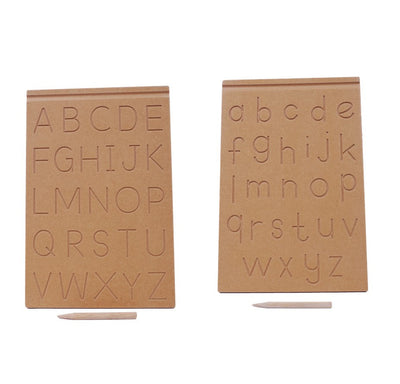
Good Malayalam alphabet toys include wooden alphabet puzzles, sandpaper letters, tracing boards, and magnetic letter sets. These toys promote tactile learning, fine motor skill development, and letter recognition through engaging, hands-on play.
How does play-based learning help with school readiness in India?
Play-based learning significantly aids school readiness in India by fostering essential skills like problem-solving, creativity, social interaction, and language acquisition in a stress-free environment. This approach prepares children emotionally and cognitively for formal schooling, as emphasized by the NEP 2020.